Stories
July, 2026
The Lunch a Mother Never Ate
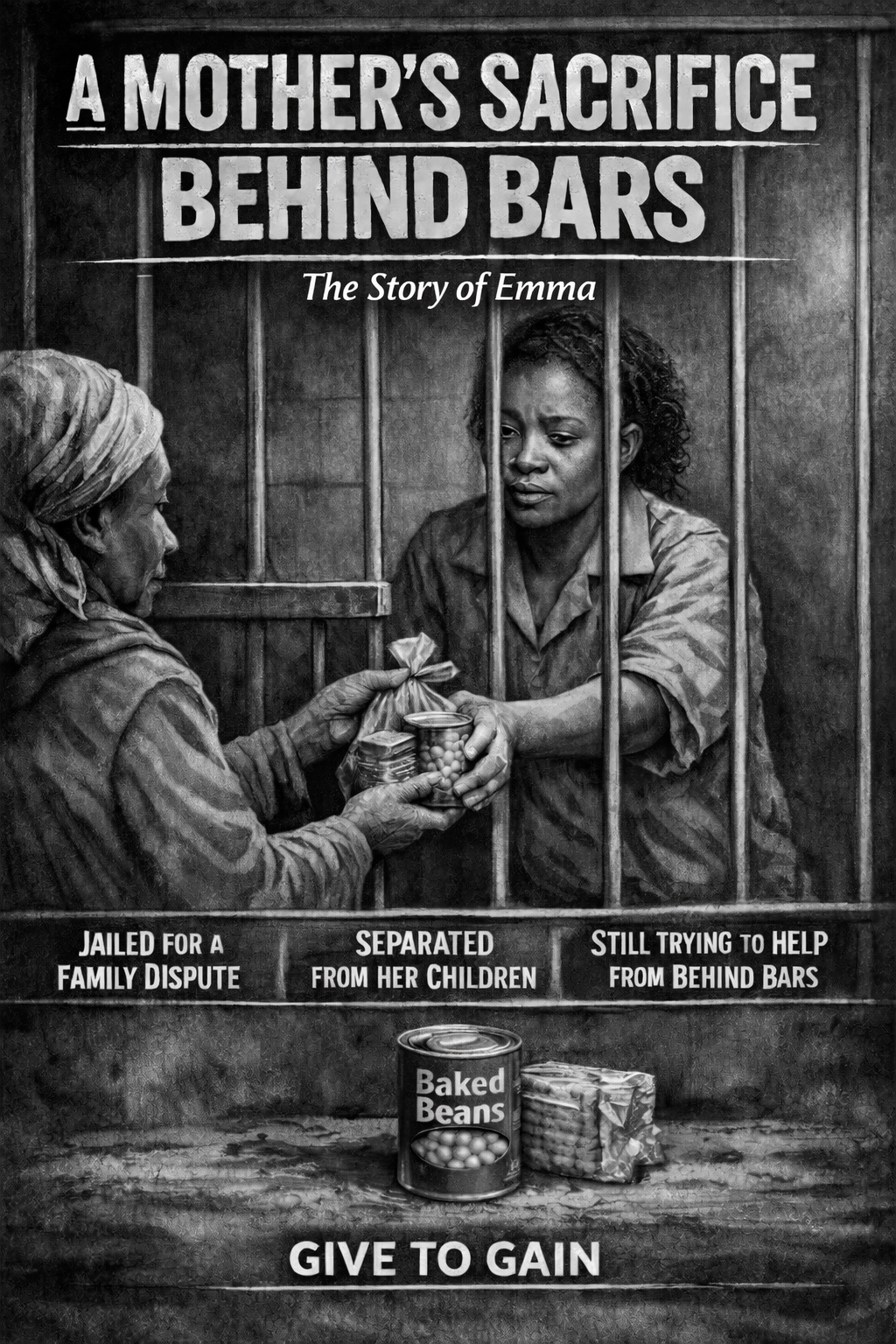
Some of the greatest acts of love are never witnessed. They happen quietly, without applause, in moments of sacrifice that few will ever know. For FF, a mother of four, one such moment happened behind prison walls. Each time she appeared in court, her elderly mother travelled long distances simply to catch a glimpse of her daughter and share news about the children she had left behind. Those brief meetings became FF's lifeline. Before returning to prison, she would hand over her own packed lunch, the only meal provided for her that day, and ask her mother to take it home to the children.
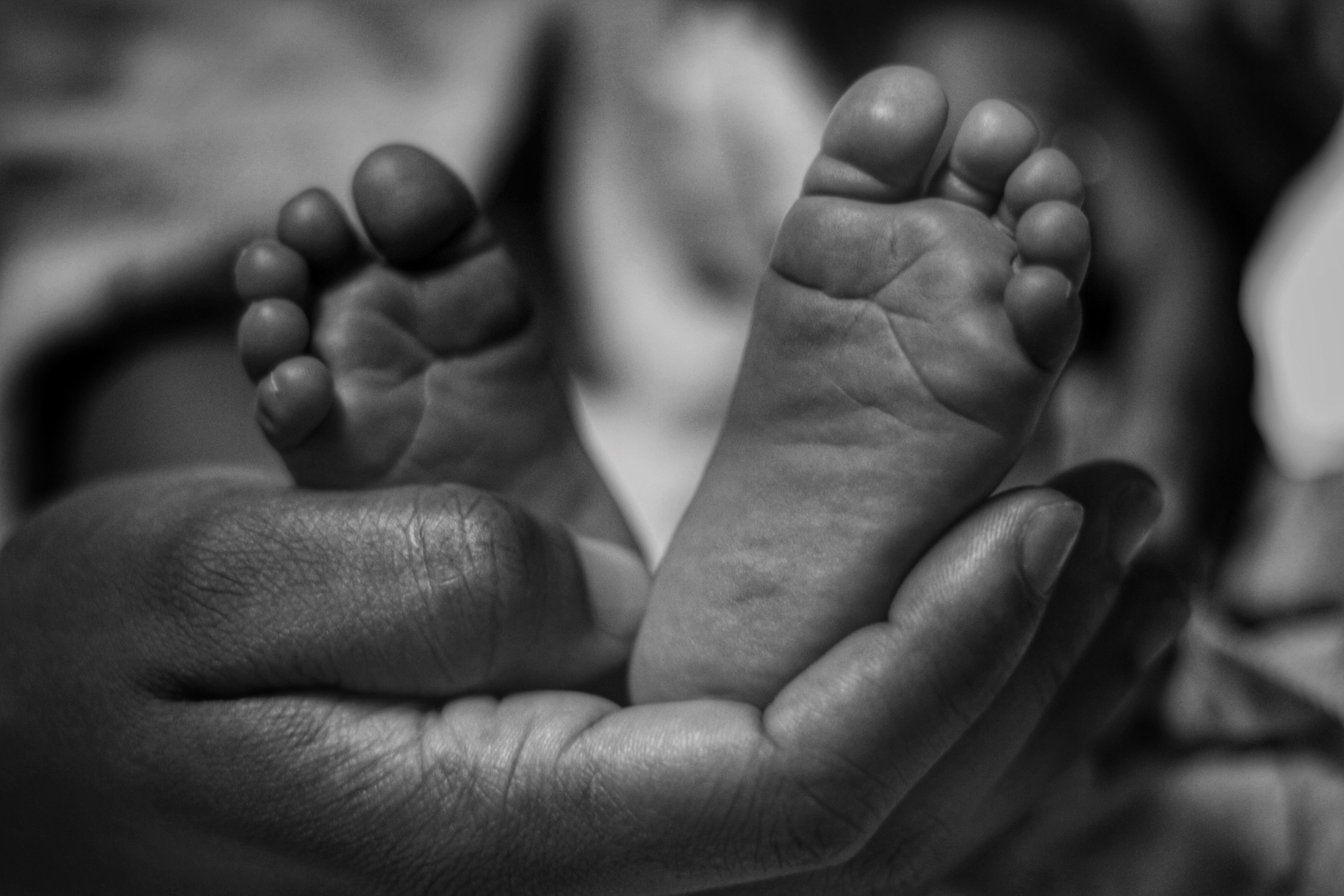
She chose hunger so that her children would not have to. It was a simple meal, but to FF, it represented something much greater: the unwavering hope that even in her absence, she could still fulfil her greatest responsibility, to protect and provide for her children. That is the power of a mother's love. It is also why child wellbeing remains at the heart of every intervention by Justice Nest. FF's journey began long before she entered the criminal justice system. A mother determined to provide for her family after separating from her husband, she travelled to Nairobi to work as a house manager, earning KES 8,000 (USD 65) a month. Though her income was modest, she faithfully supported her children's education and daily needs.
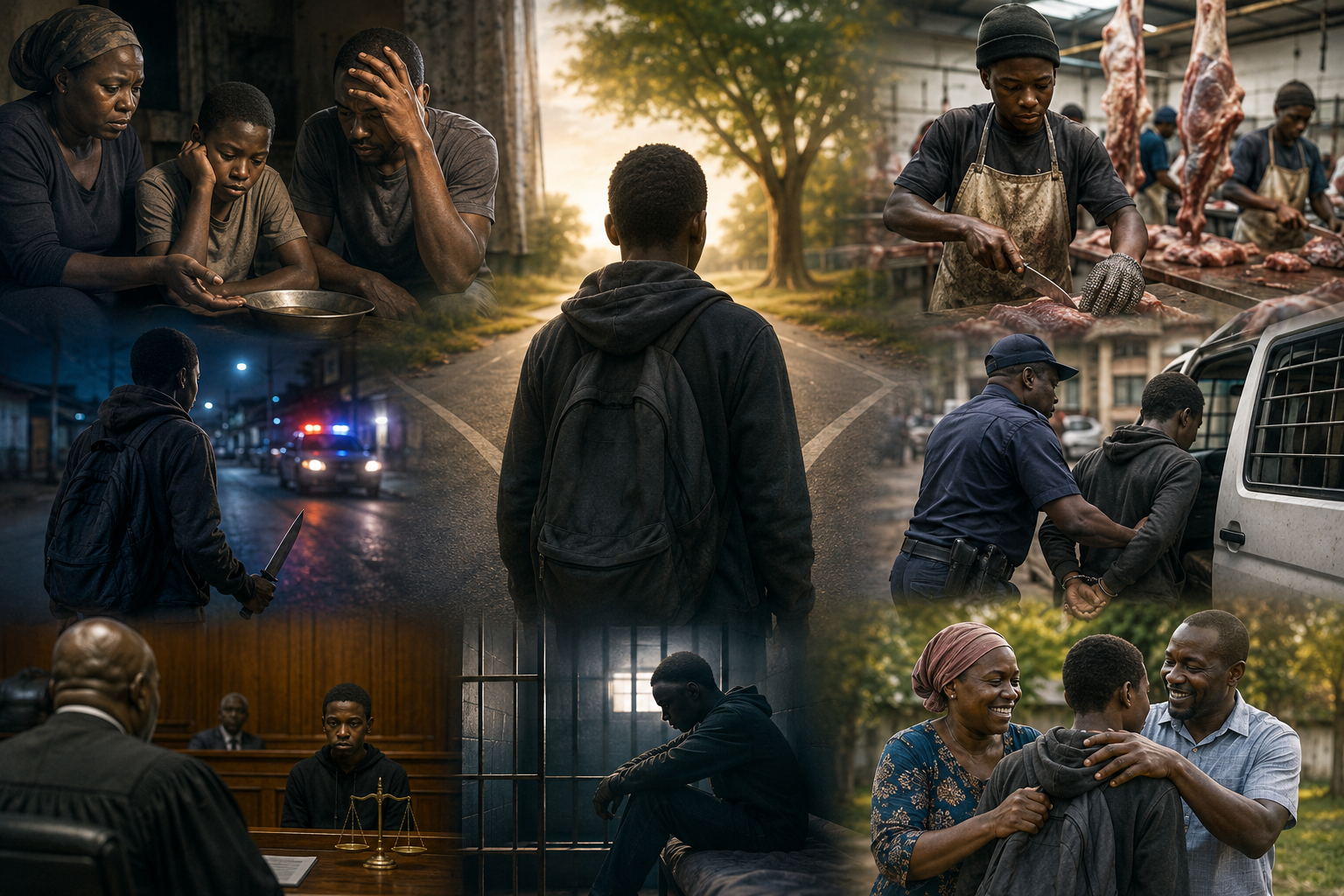
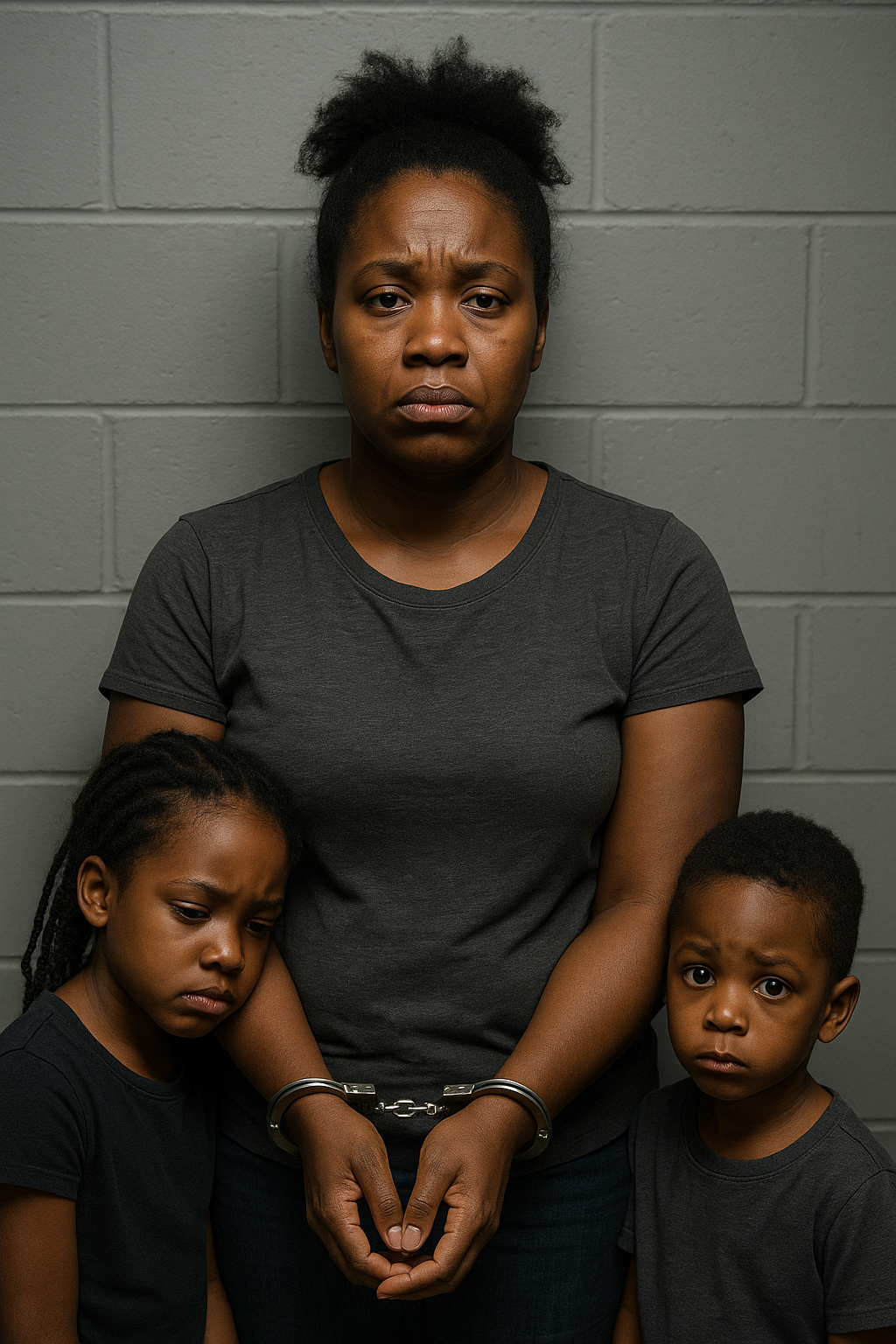
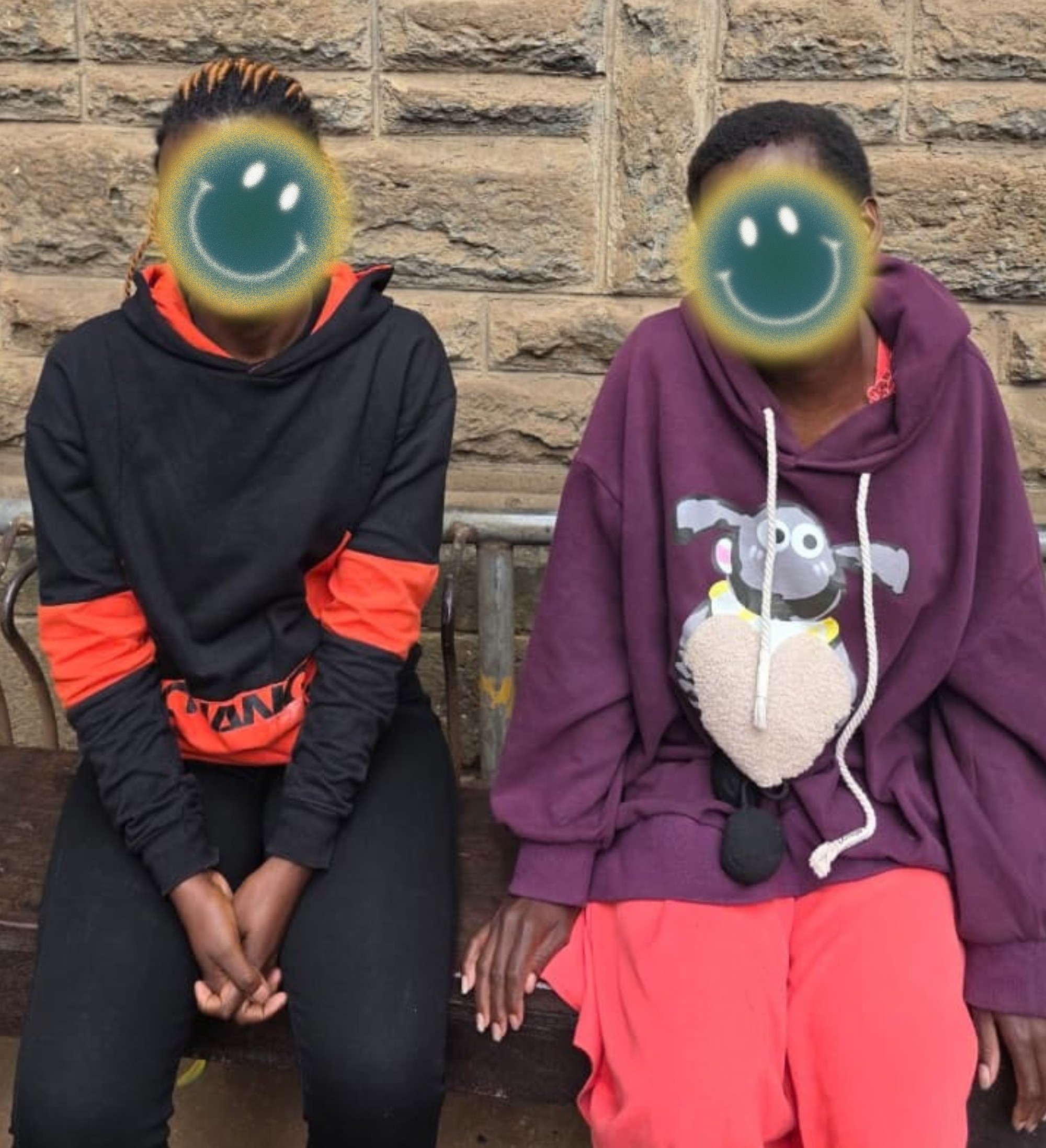
Then everything changed. Wrongfully accused of stealing jewellery from her employer, FF found herself arrested and unable to raise the KES 100,000 (USD 775) cash bail required for her release. She remained in remand before eventually serving the remainder of a 15-month sentence at Langata Women's Prison. While the court case centred on one woman, the true cost was borne by four children. Like thousands of children affected by parental incarceration, they suddenly faced the emotional pain of separation, uncertainty about their future, and the absence of the one person who had always fought for them.
At Justice Nest, we understand that when a caregiver enters prison, an entire family enters crisis. That is why our Social Work Department looks beyond the prison walls. Our work is not simply about supporting an individual in conflict with the law, it is about safeguarding the wellbeing, dignity, and future of every child whose life has been disrupted by that experience. Throughout FF's incarceration, our multidisciplinary team walked alongside her through legal representation, psychosocial support, and consistent case management. These interventions helped restore hope during one of the darkest chapters of her life.
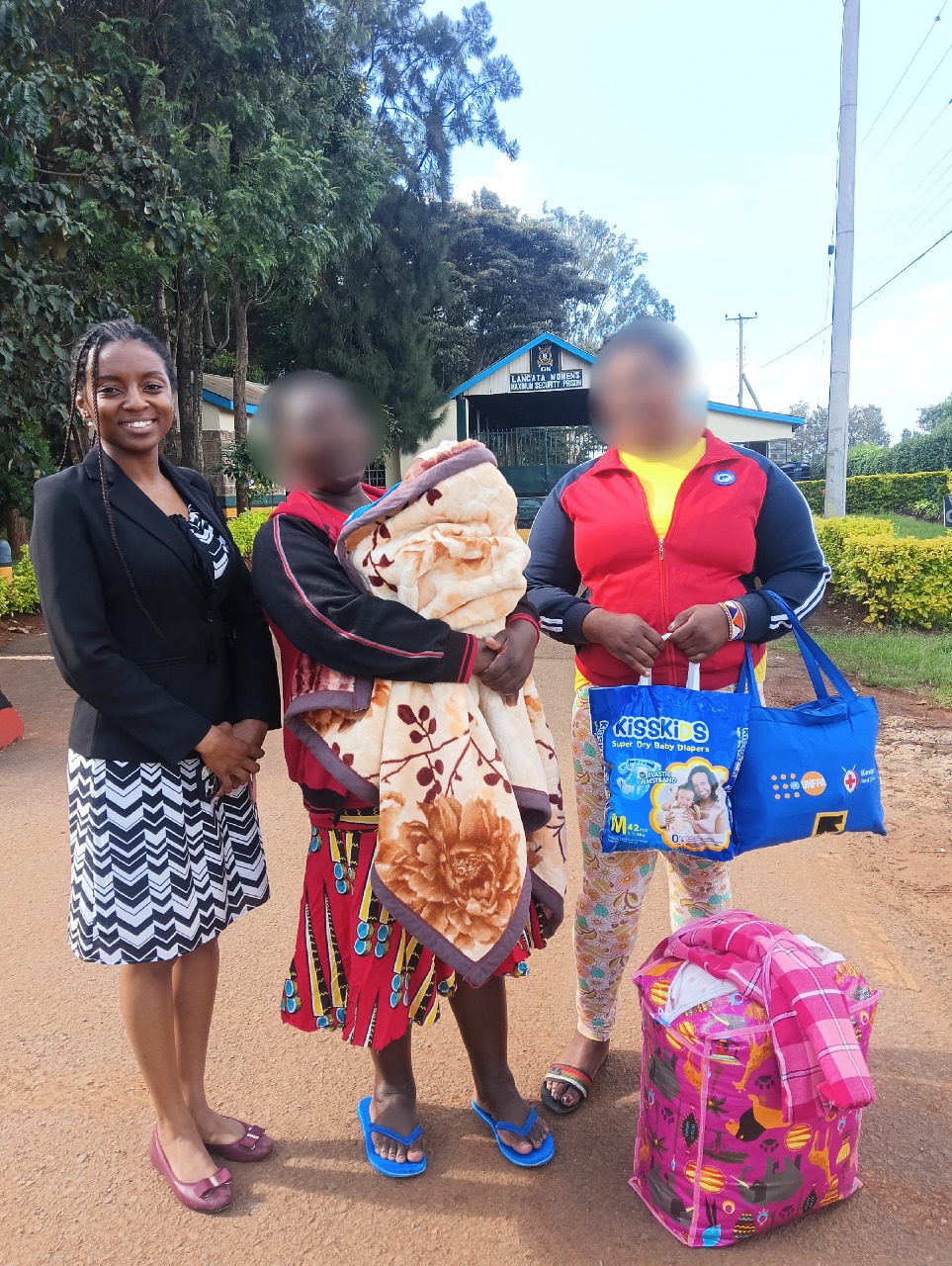
Our work did not end when the prison gates opened. A release is not a finish line, It is the beginning of rebuilding.
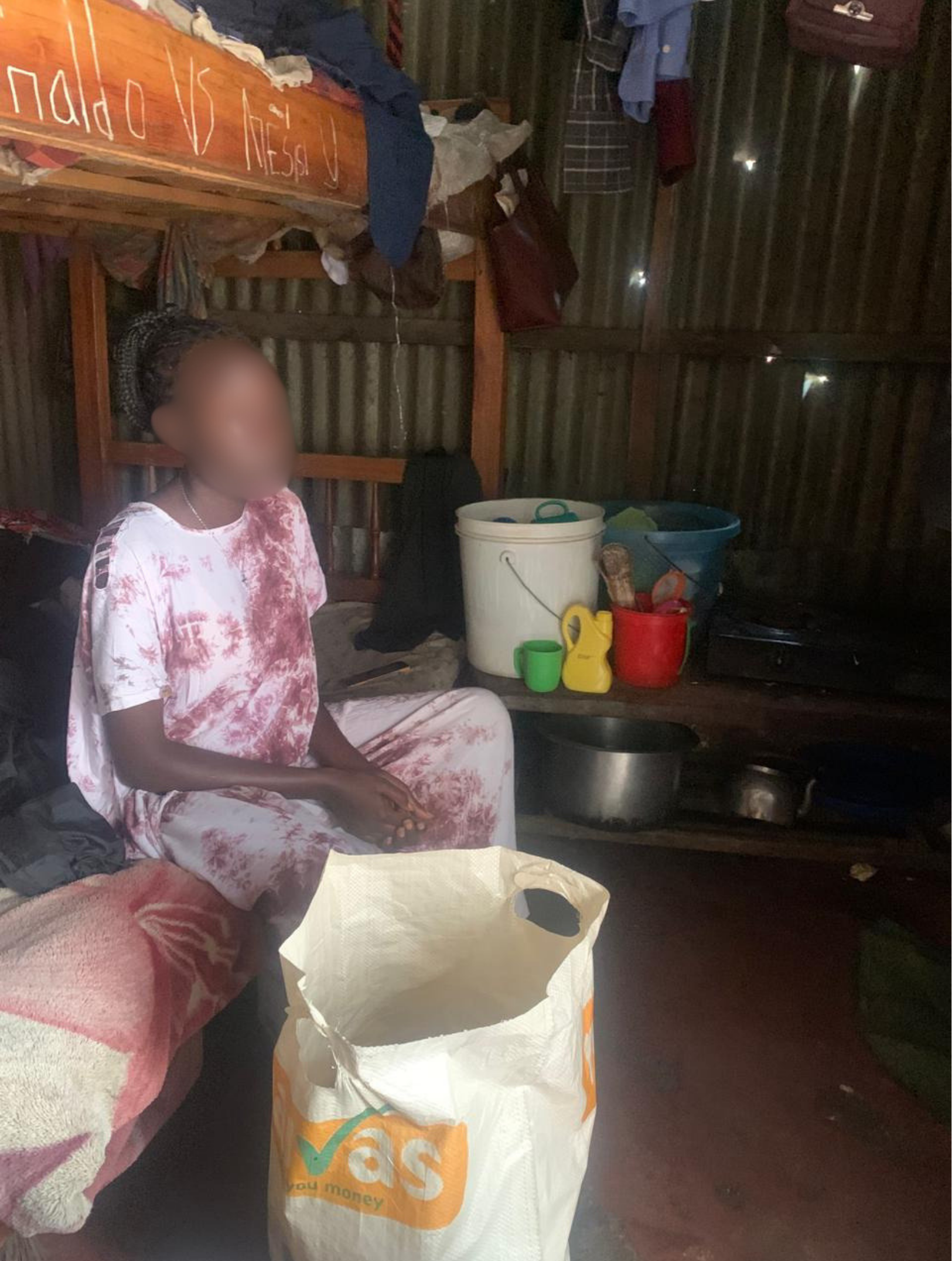
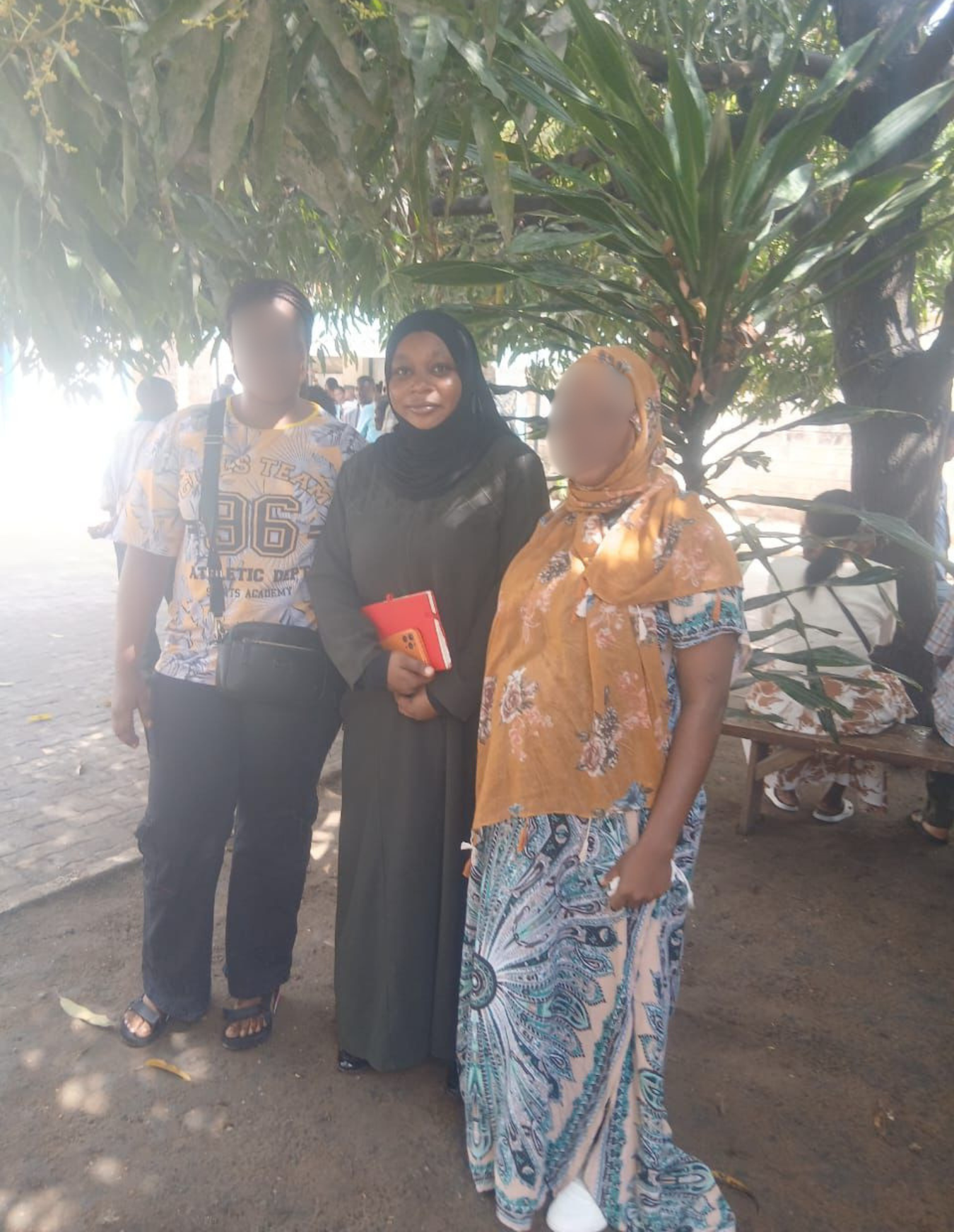
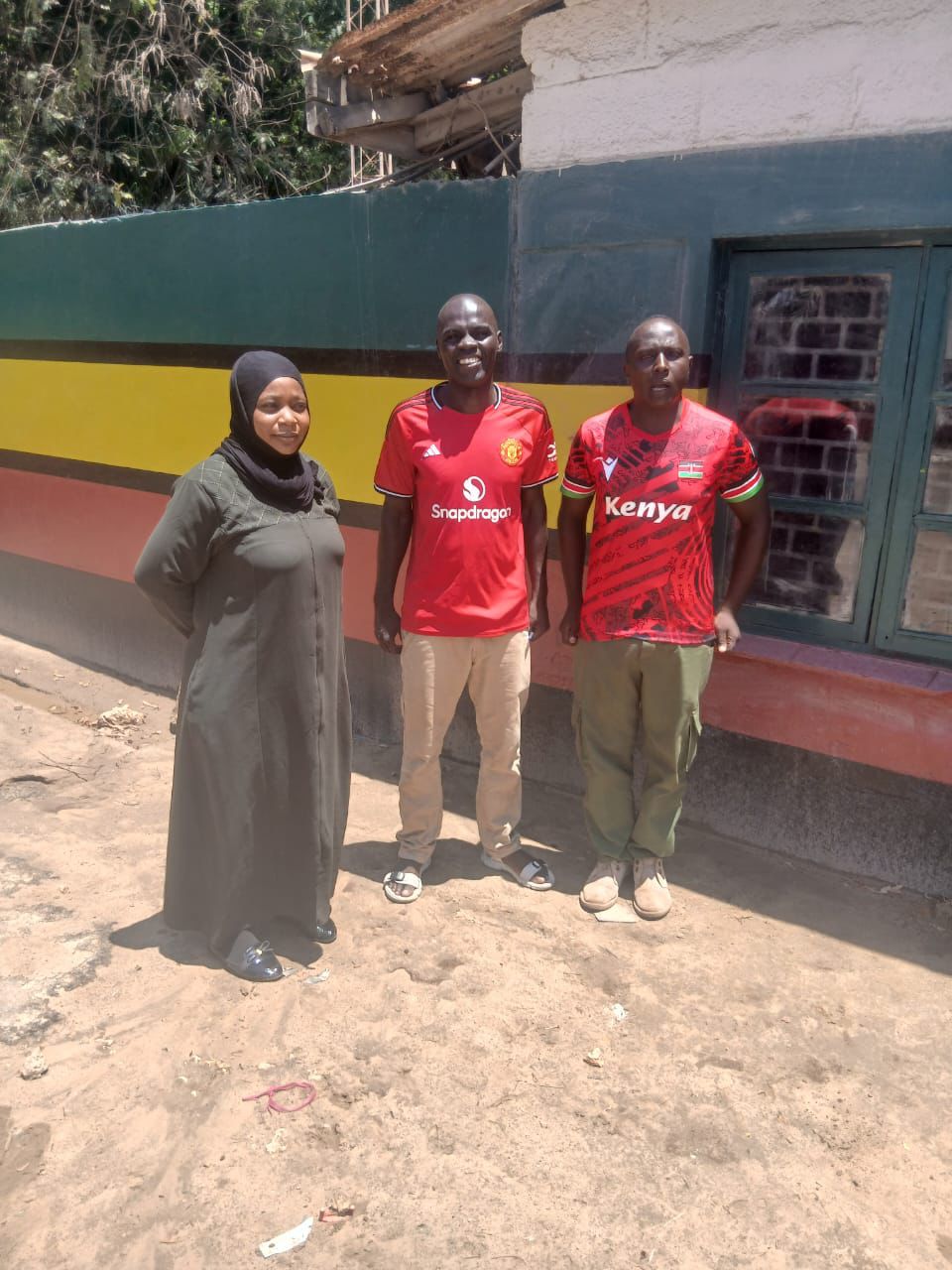
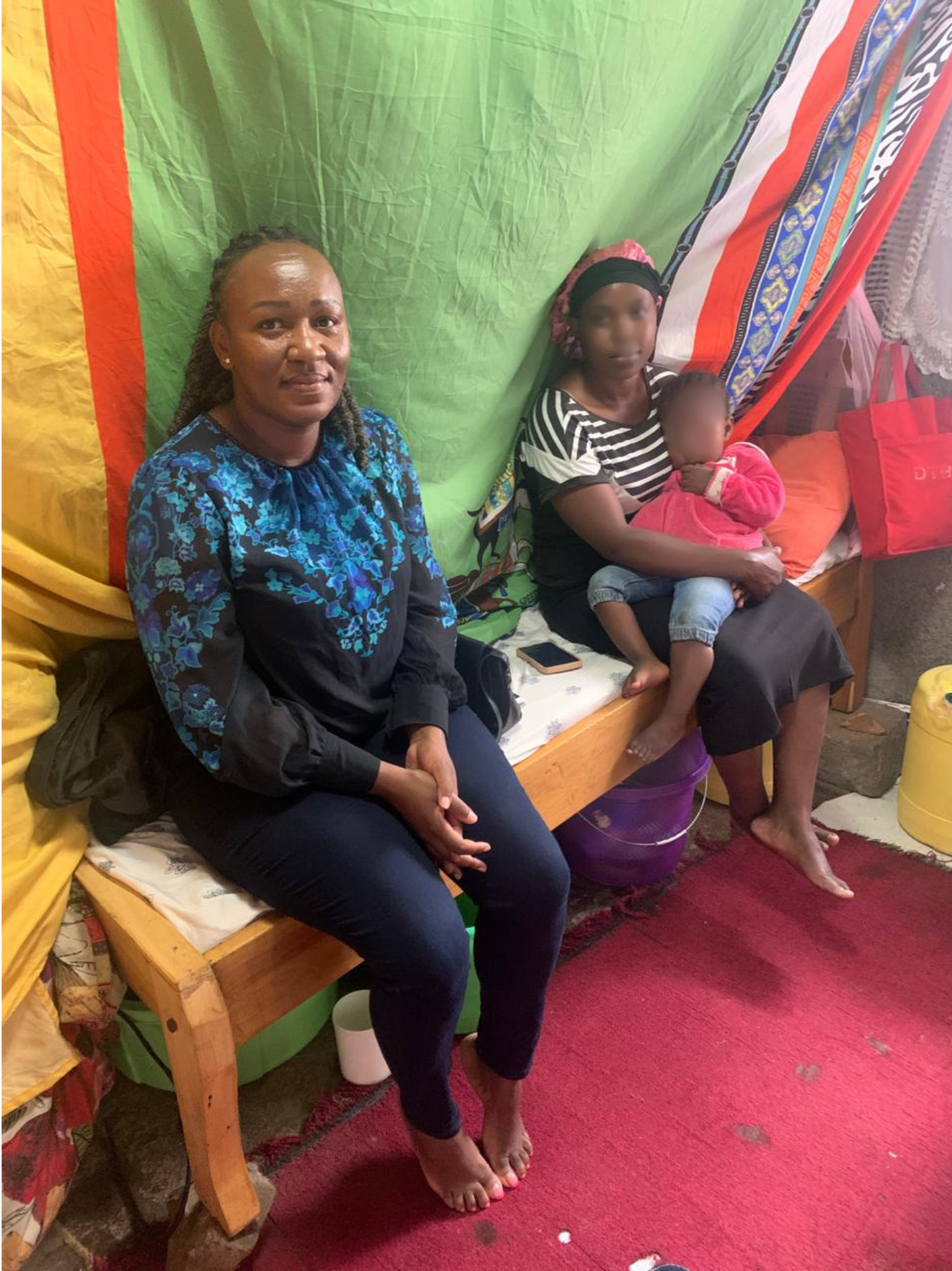
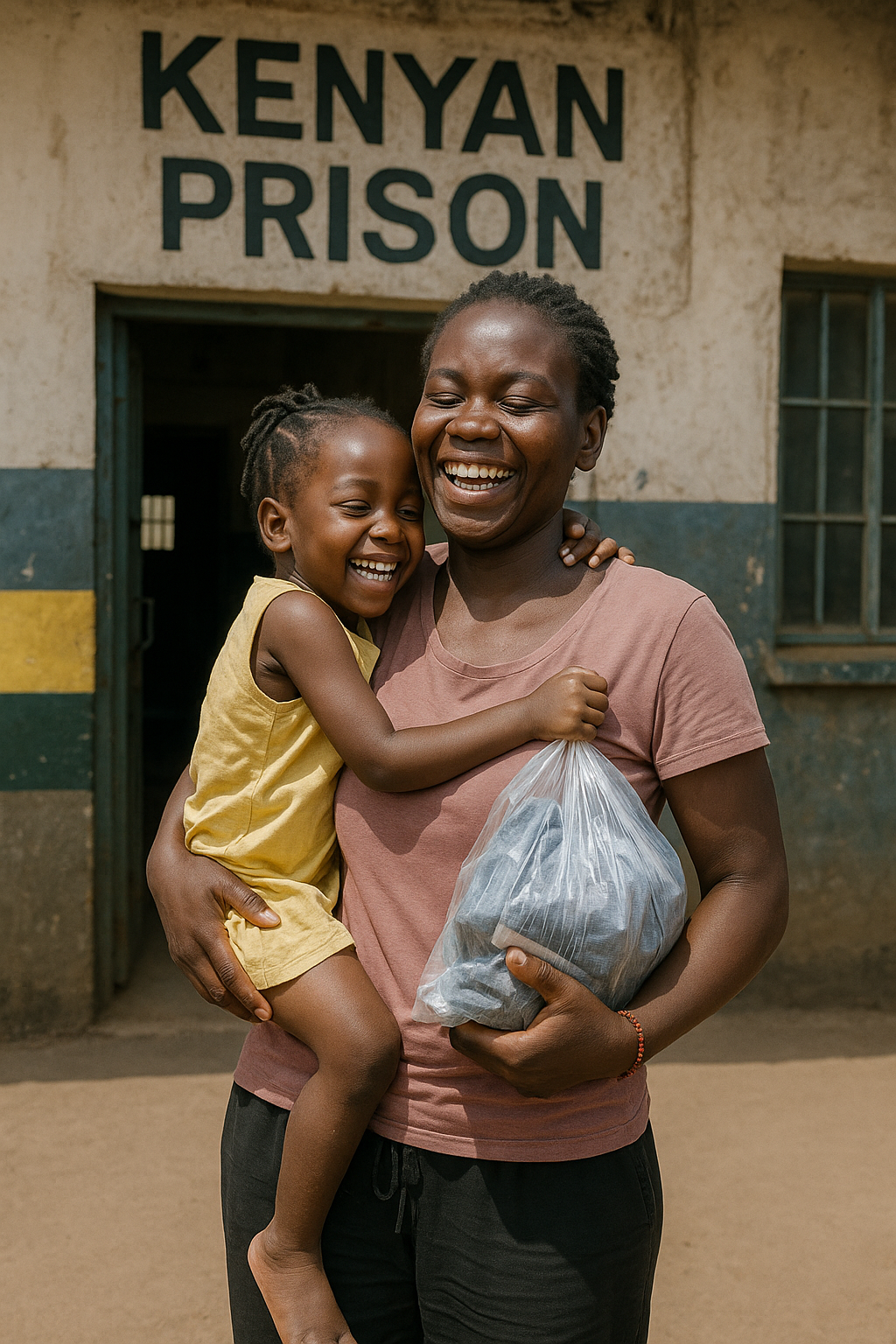
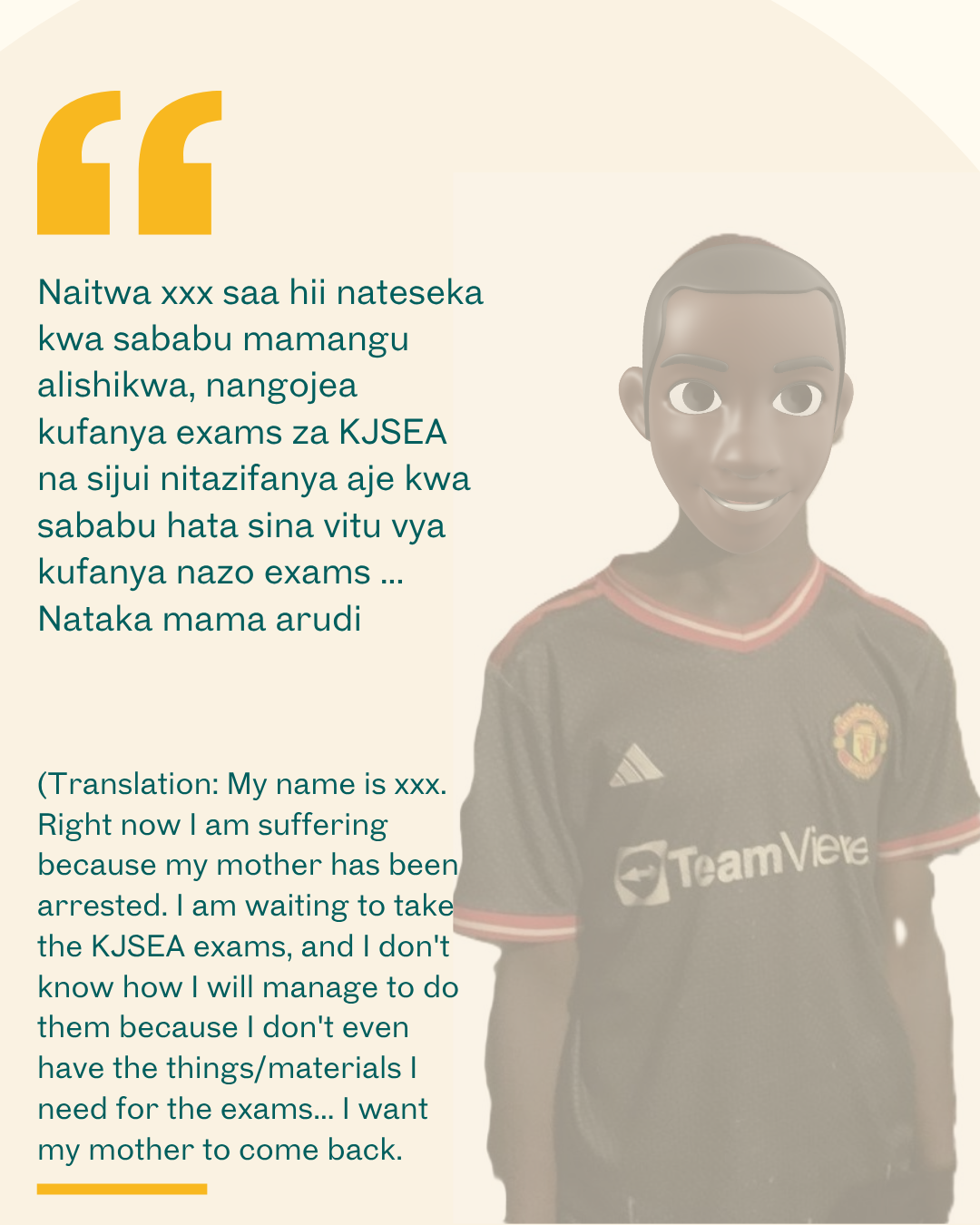
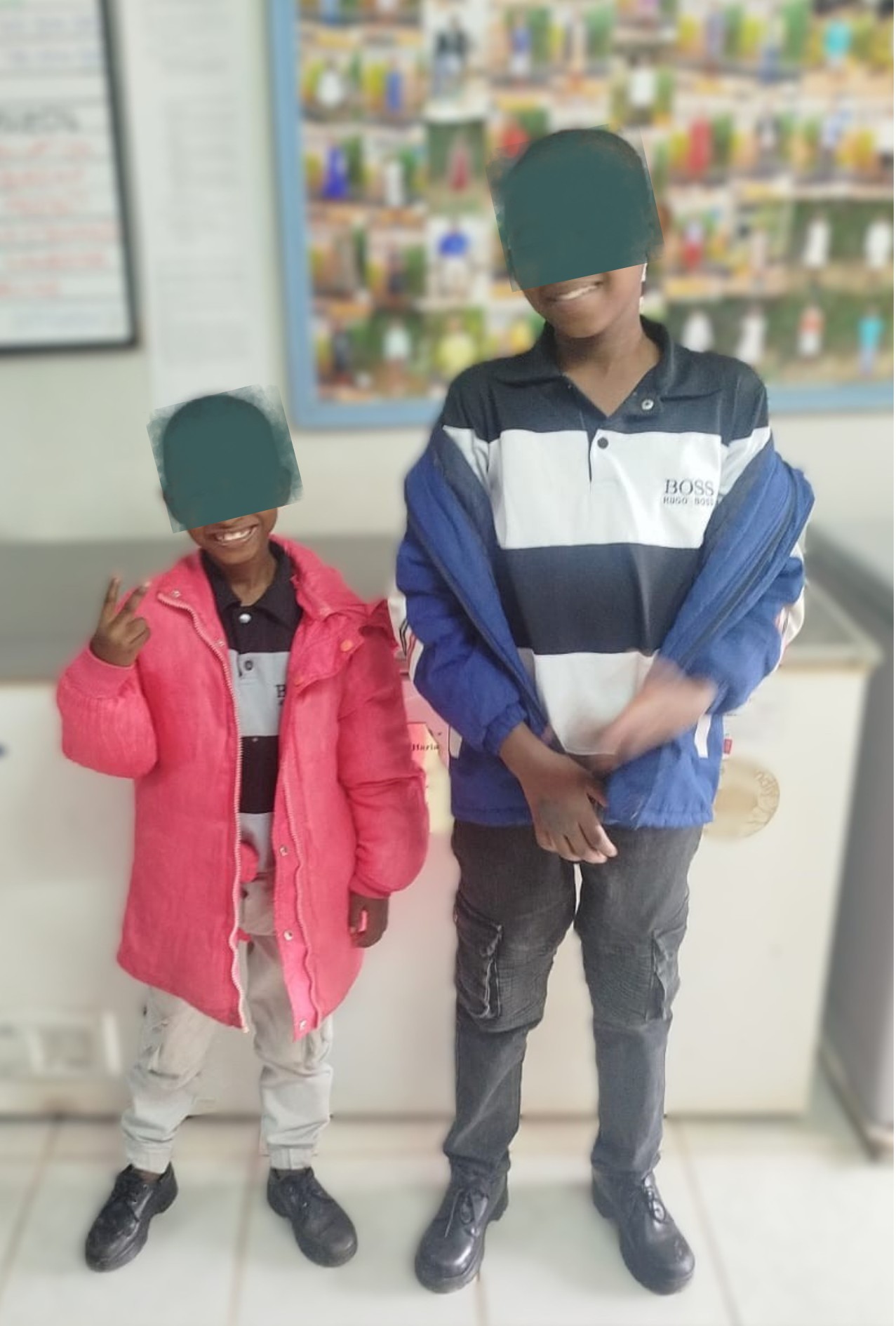
When Justice Nest's Social Work team visited FF after her release, we found a mother determined to start again. She had reunited with her husband, and together they were working to rebuild their family while ensuring their four children remained in Kakamega, where they could continue their education without disruption, especially as three prepared for their national examinations. Their decision reflected one overriding priority: protecting their children's stability and future.
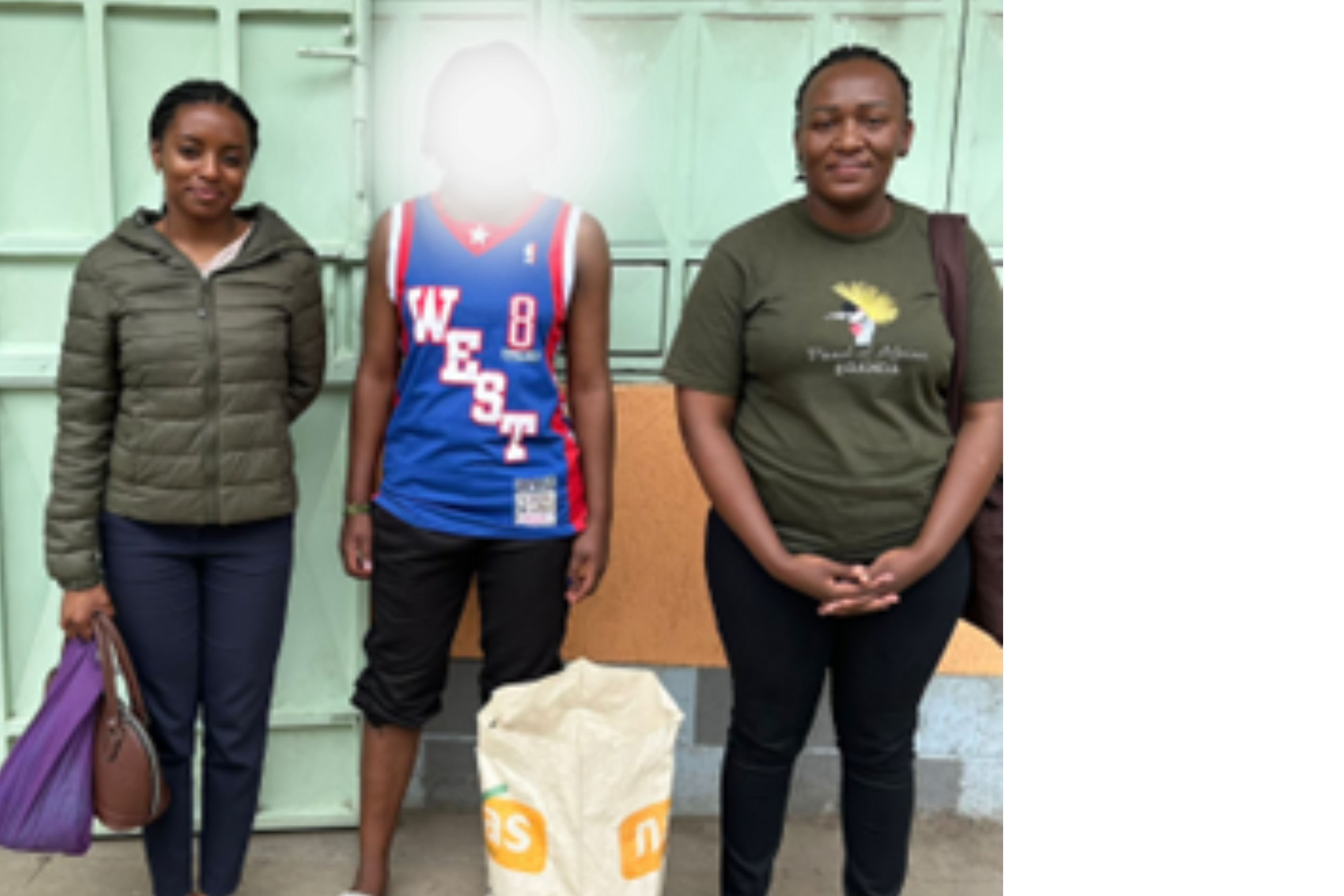
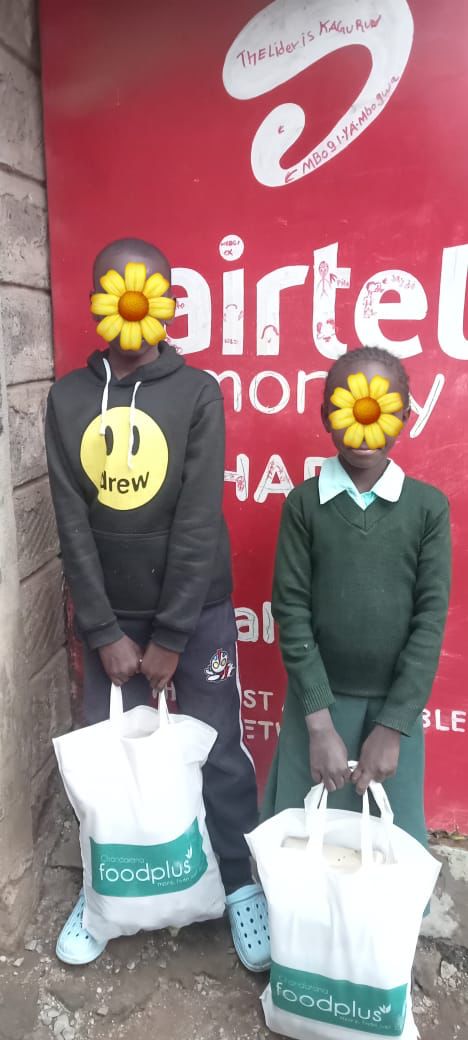
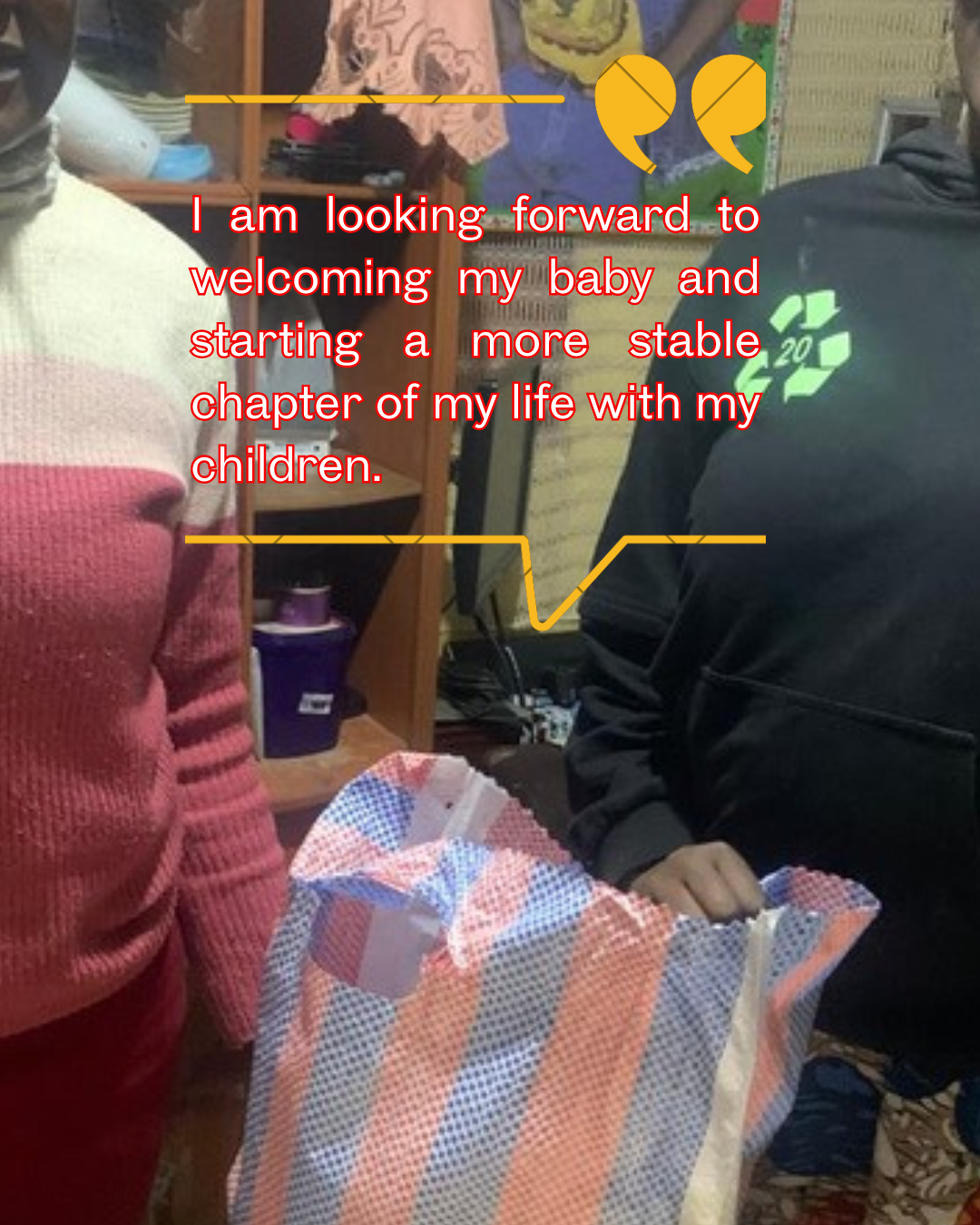
Yet rebuilding came with enormous challenges. Without stable employment, FF and her husband often did not know where their next meal would come from. During our visit, she shared that she had been unable to secure sustainable work and had exhausted every available option. The emergency food package delivered by our team became an answer to an immediate need, providing relief at a moment when the family had little left.
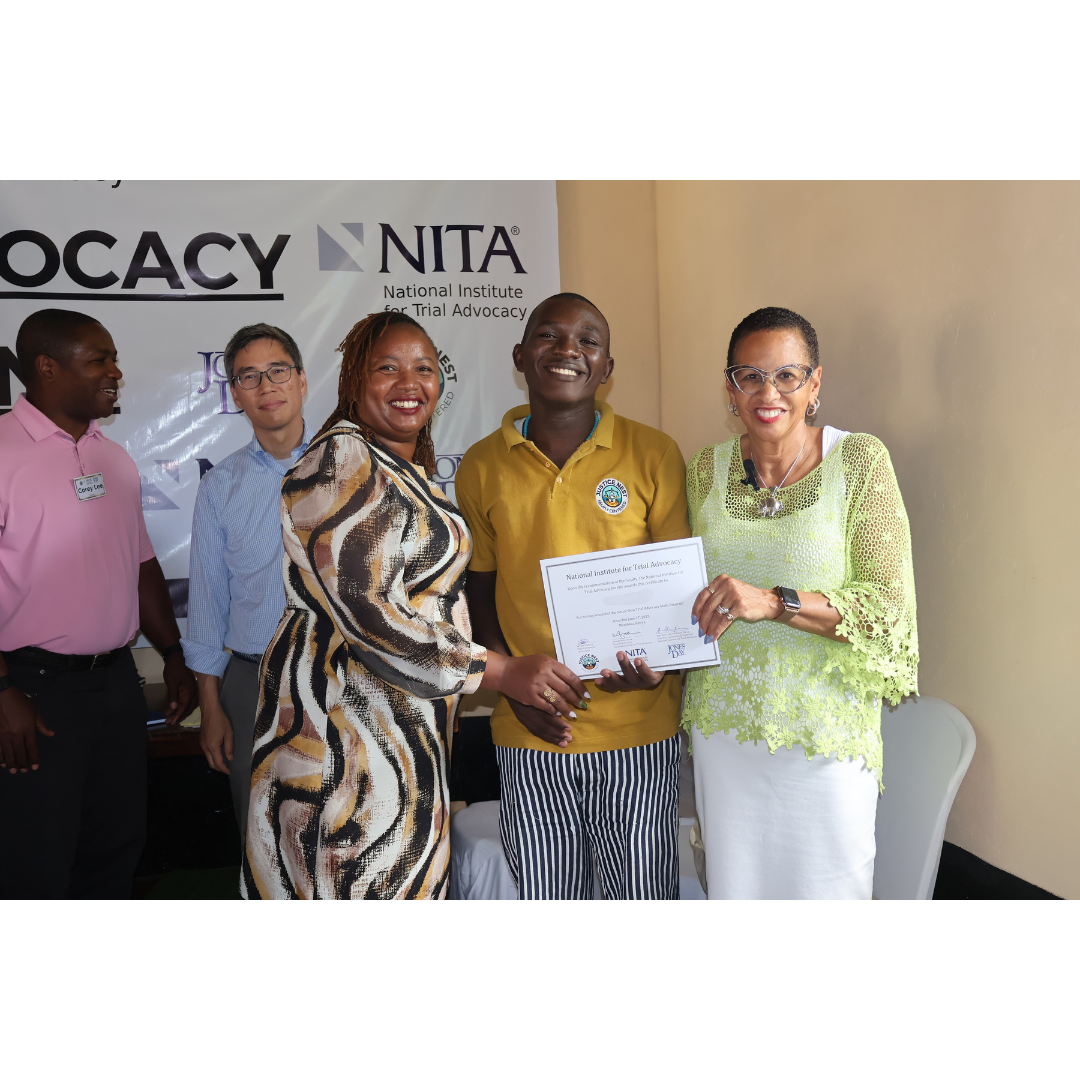
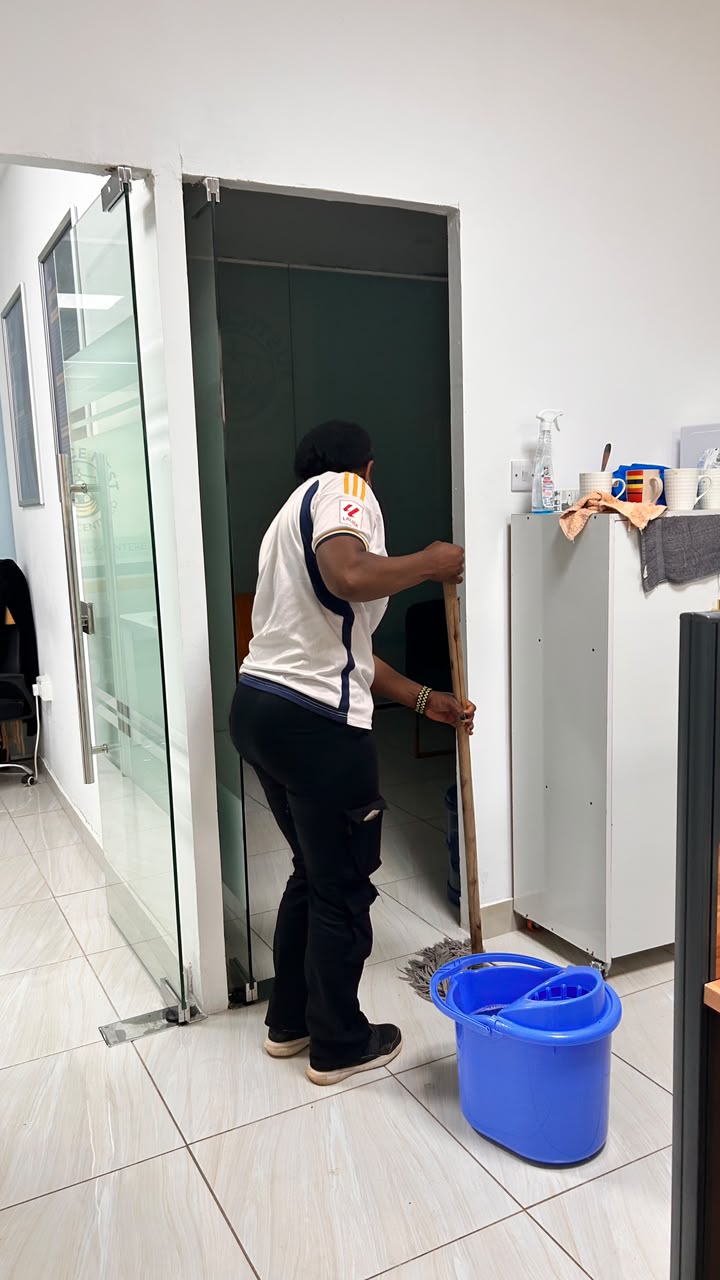
We believe dignity means more than meeting today's needs. It means creating opportunities for tomorrow. Recognising FF's determination to become self-reliant, our Social Work team connected her to vocational training at NEBS School of Hairdressing and Beauty Therapy, opening doors to new skills, professional networks, and future employment opportunities. Then came an opportunity that changed everything. Seeing her commitment and resilience firsthand, Justice Nest recommended FF for a janitorial position within the organisation. Following a competitive recruitment process, she earned the role on merit and now contributes daily to creating a clean, safe, and welcoming environment for staff and visitors.
Today, she is no longer defined by imprisonment. She is defined by purpose. She is rebuilding her livelihood with dignity, restoring stability for her family, and once again able to support the children who have always been at the centre of every decision she makes. For our social workers, stories like FF's remind us why we do this work.
Every home visit is an opportunity to protect a child. Every welfare package safeguards a family's dignity. Every referral opens the door to a new future. Every job placement strengthens a household. Every parent who regains stability gives a child another chance to dream. This is what rebuilding lives looks like. It is patient, relational, deeply human and above all, it reminds us that when we invest in one parent, we are often investing in an entire generation.
To our donors, partners, and friends, THANK YOU!! Your generosity makes these stories possible. Because of your support, families like FF's are not simply surviving hardship; they are rediscovering hope, rebuilding their futures, and giving their children the opportunity to grow up in safer, stronger, and more stable homes. Together, we are proving that resilience is not built alone. It is built one family at a time.
Marie Michelle - Justice Nest Social Worker


.jpeg)
.jpeg)