Stories
May, 2026
Why Families Matter at the YCTC
When we visit the Youth Correctional Training Centre (YCTC), we do not see hardened criminals. We see children. Most of all, we see a recurring, heartbreaking pattern: children who are in conflict with the law not out of malice, but out of absolute survival. At the heart of almost every boy’s story inside YCTC is a fractured home, a struggle for school fees, and a desperate search for a way back to a classroom that eventually led them to a prison cell.
To understand how a child ends up at YCTC, we must look at the quiet breakdown of the family unit under the crushing weight of poverty.
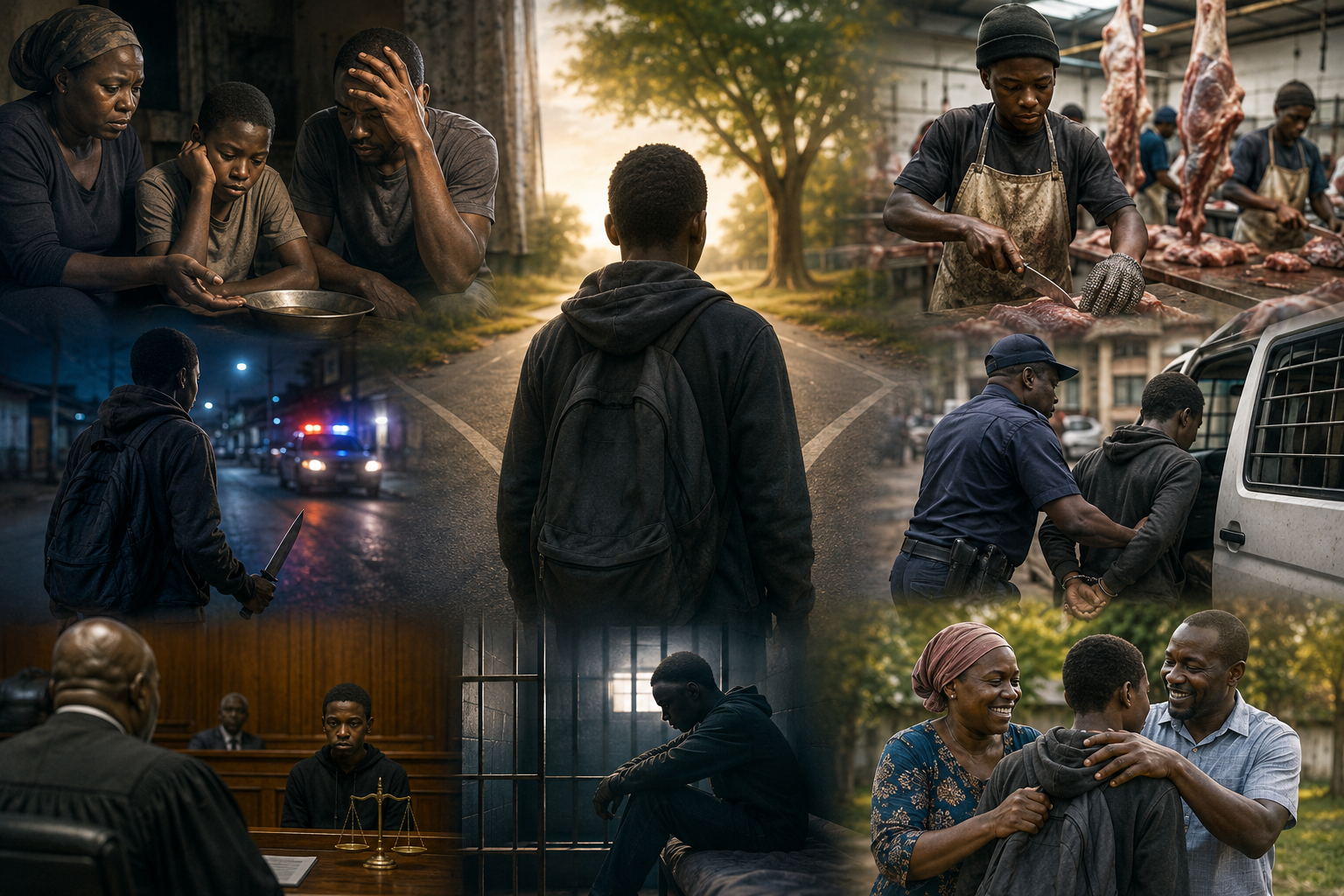
The story usually begins around the age of 14 or 15. A family is struggling. School fees cannot be raised, and the dream of completing an education begins to fade into a distant memory. By 16, unable to bear being a financial burden on parents who are already skipping meals, these boys make a fateful choice, they leave home.
They head to local trading centers to find work. They aren't looking to commit crimes; they are looking for a livelihood. Many of them find work in slaughterhouses (one of the few places that offer manual labor without requiring formal training, certifications, or experience). It is grueling, dangerous work, but it pays a small wage.
But survival in this environment carries a terrifying legal risk. On their way to or from the slaughterhouse, often in the twilight or early morning hours, these boys carry the tools of their trade: knives, sharpening steels, or aprons. To a police officer on patrol, a young boy on the streets at night carrying a knife is not a laborer; he is a suspect.
The charge they almost always face is Preparation to commit a felony under Section 308 of the Penal Code. Under Kenyan law, this is an incredibly broad and punitive charge. Section 308(1) states:
"Any person found armed with any dangerous or offensive weapon in circumstances that indicate that he was so armed with intent to commit any felony is guilty of a felony and is liable to imprisonment of not less than seven years and not more than fifteen years."
This is where the role of the family becomes a matter of freedom or imprisonment.
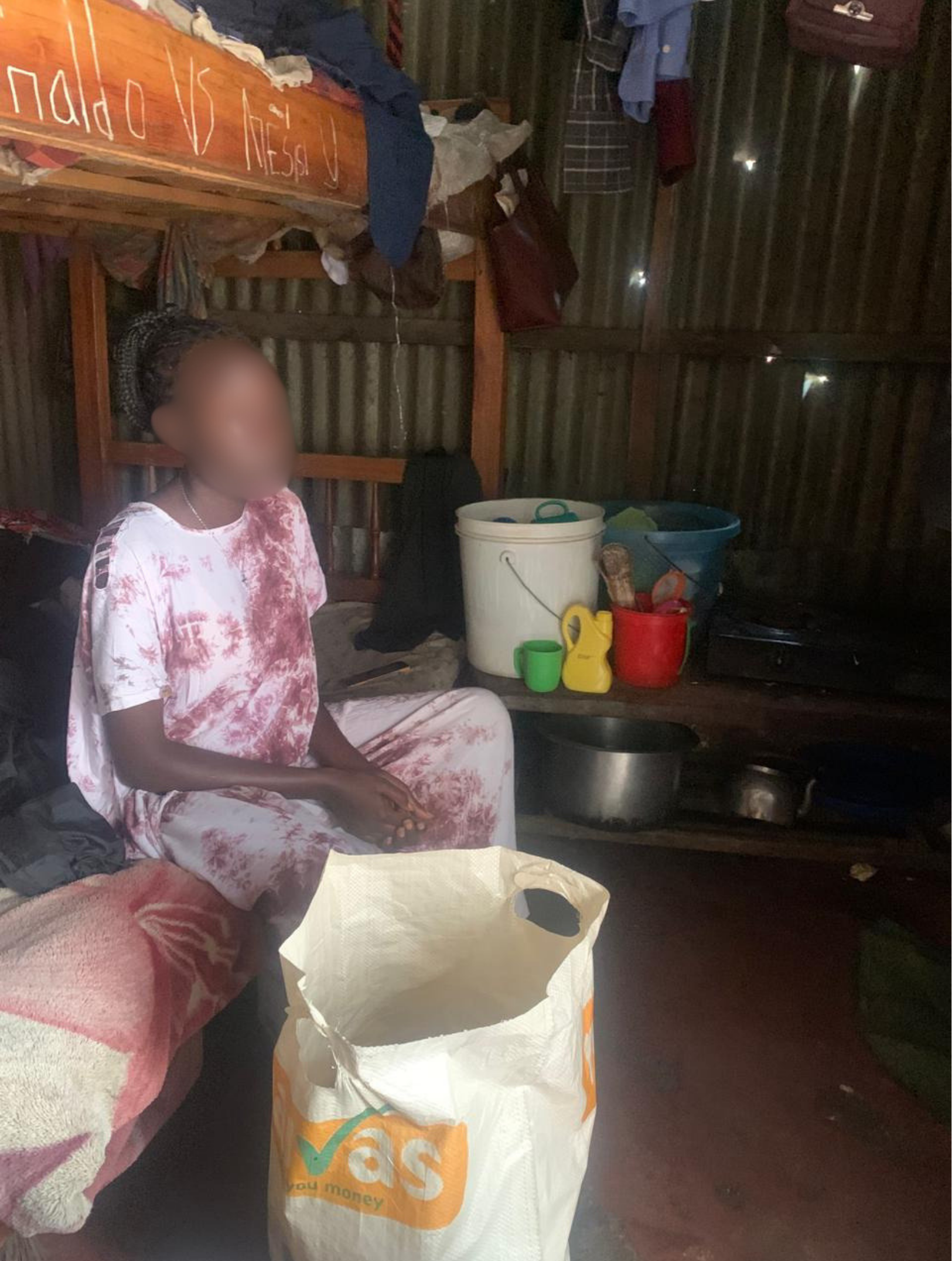
A supportive, engaged family acts as a buffer. When a child has a stable home to return to, they are less likely to migrate to the streets in desperation. More importantly, when a child is arrested, an active family can show up at the police station or court to explain the child’s circumstances, verify their employment at the slaughterhouse, and guarantee their return to court.
Without a family present, the justice system treats these boys as stateless, homeless, and high-risk. They are remanded, prosecuted, and sent to YCTC. The breakdown of the family doesn't just push them out of the home, it deprives them of their primary defense in court.
The goal is to address the root causes; poverty, school dropouts, and family breakdown before a teenager feels forced to run away to the streets or trading centers. Reuniting a child with their family after detention is a delicate process. If the underlying issues are not resolved, the child will simply end up back on the streets.
Our justice system must stop treating the symptoms of poverty as criminal offenses. We call upon the judiciary, child welfare departments, and stakeholders to prioritize and consider mandatory Social Inquiry Before charging. No child should be charged under Section 308 without a comprehensive social background check to understand why they were carrying those items and where their family is.
Diana Gakinya- Legal Aid Advocate




.jpeg)
.jpeg)