Stories
July, 2026
Walking with SI's Children Towards Hope
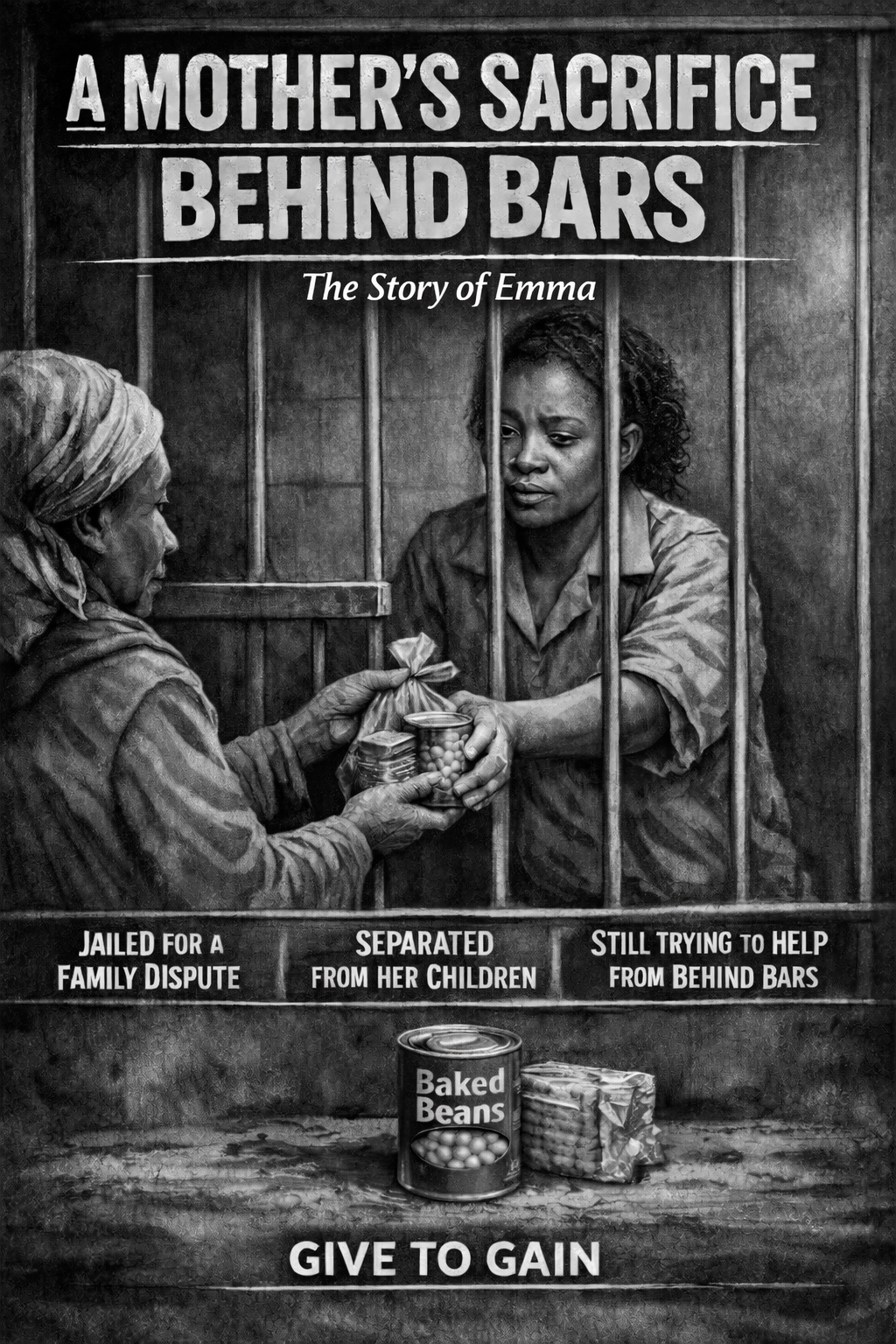
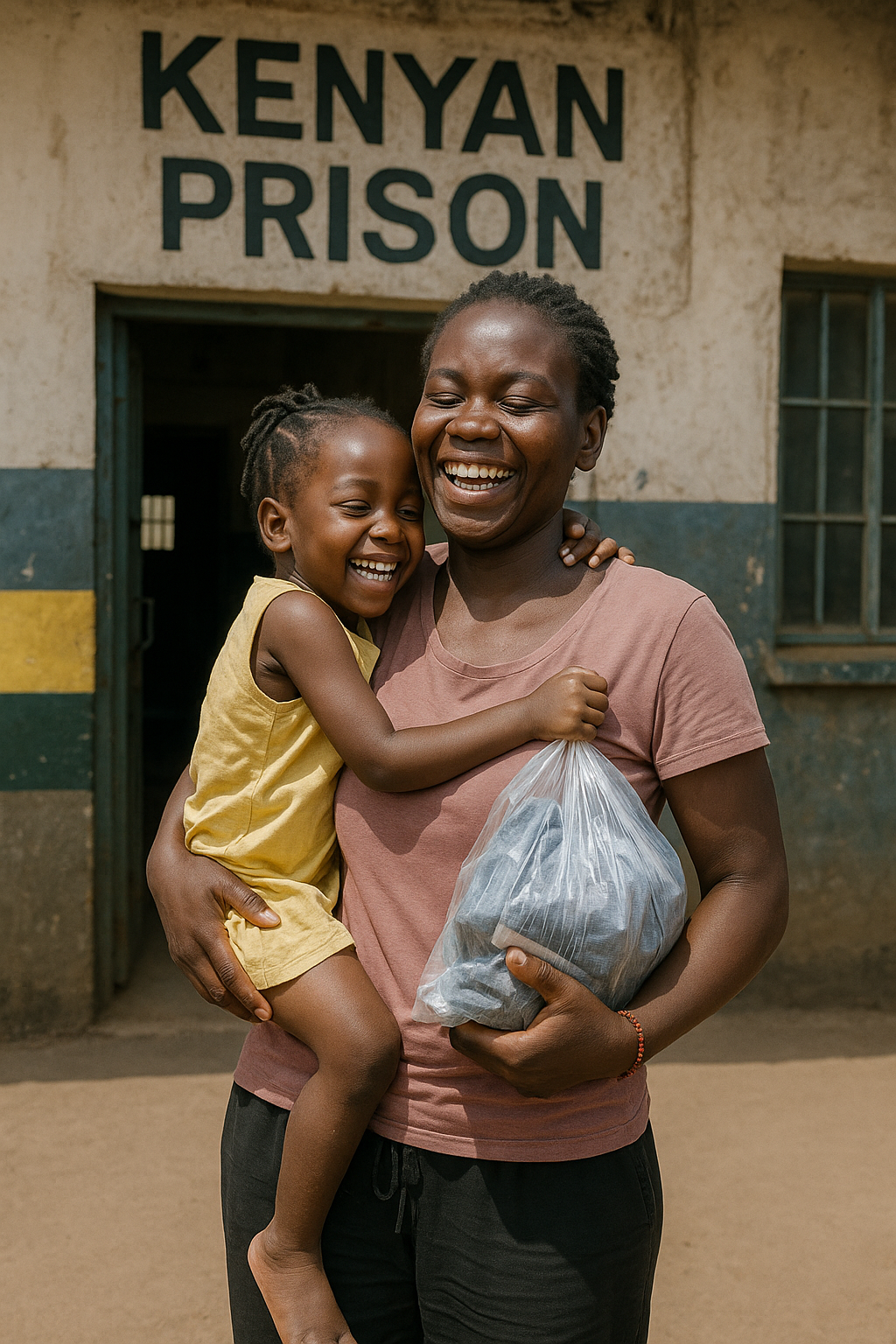
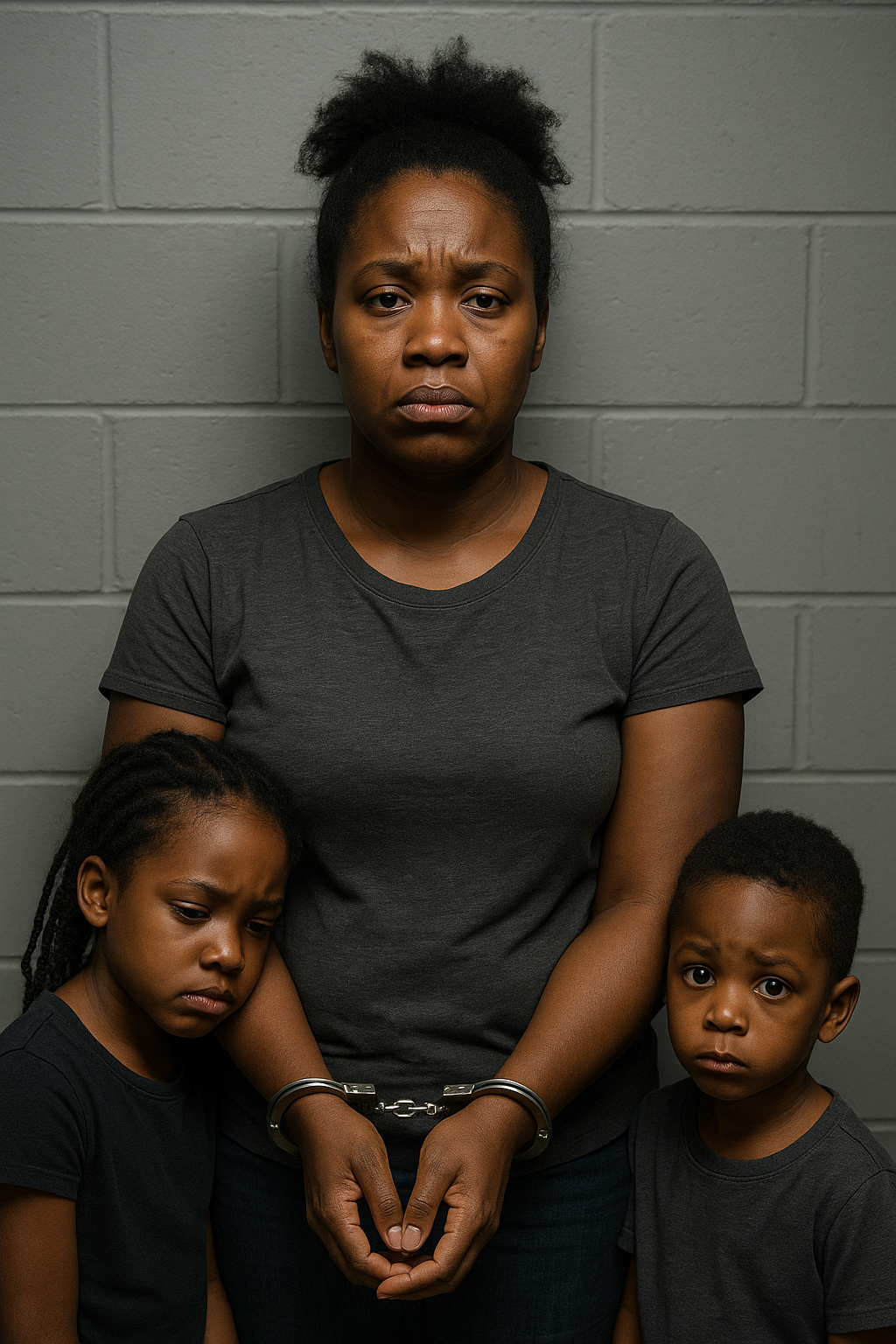
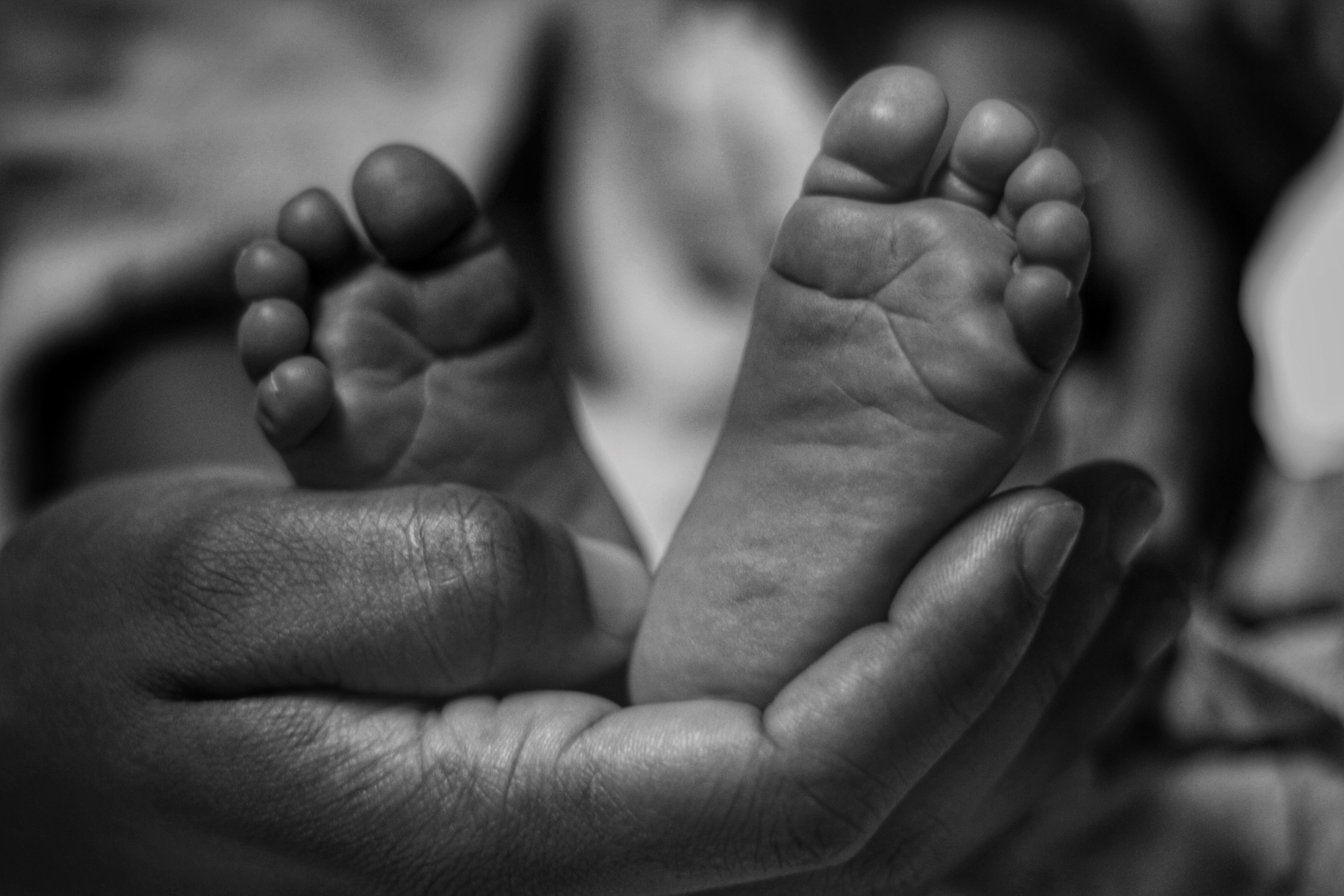
When a mother is incarcerated, the sentence rarely affects only one person. Behind every prison wall are children whose lives change overnight. Their routines are interrupted, their sense of security is shaken, and questions about tomorrow become part of everyday life. That was the reality facing Ryan and Ian, the two sons of SI.
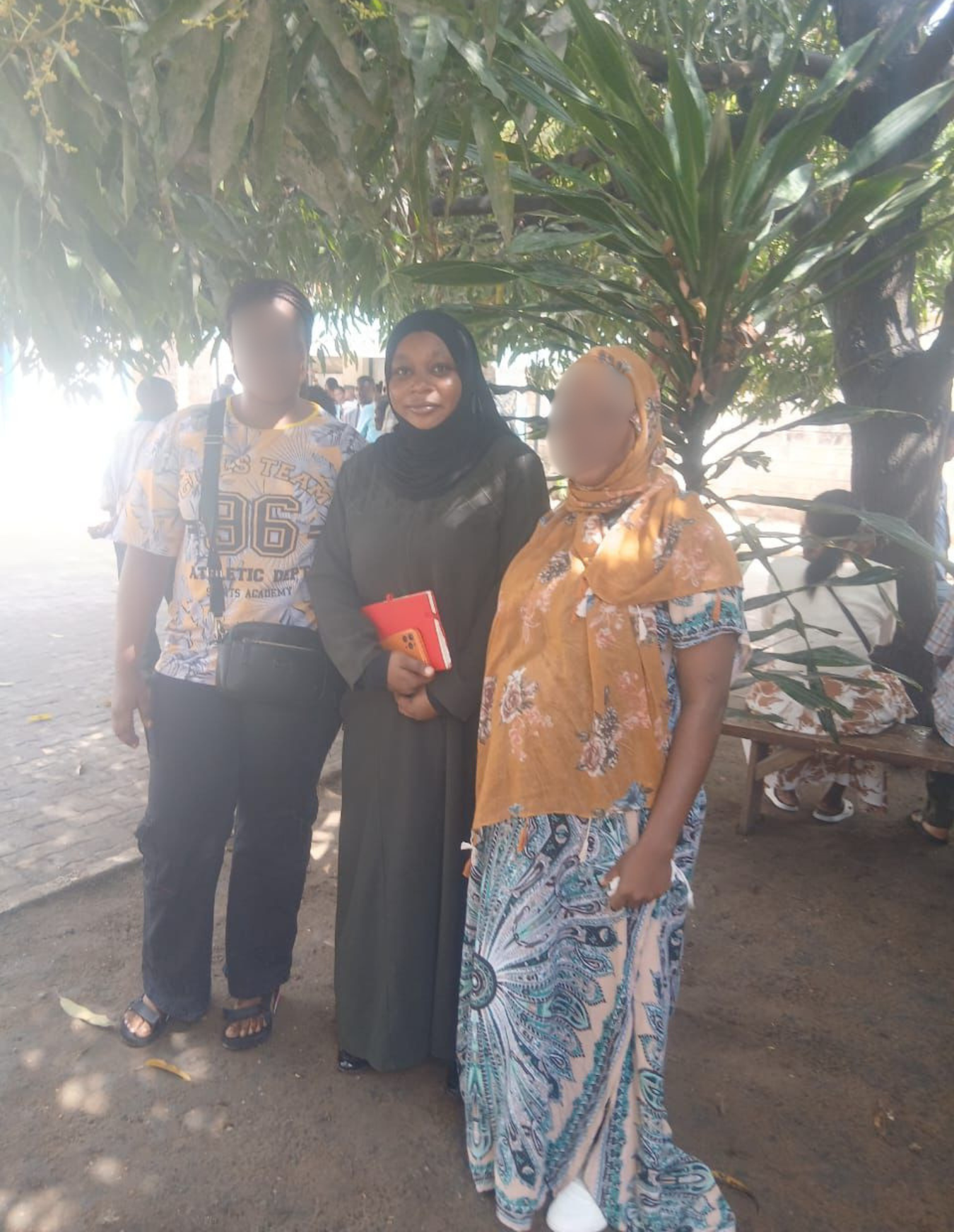
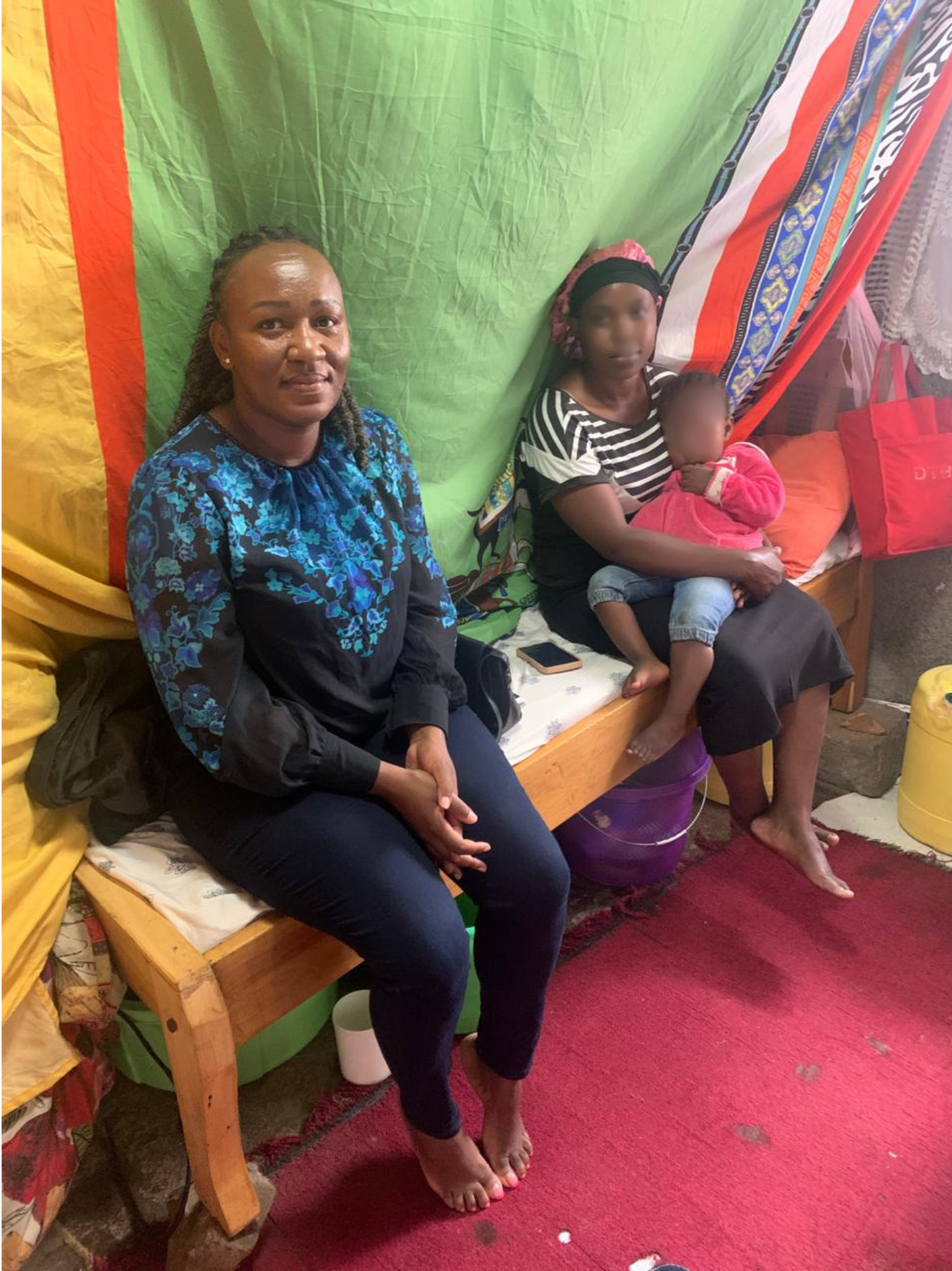
When Justice Nest first visited the boys at their temporary home in Lucky Summer, it quickly became clear that although they had found refuge with a family friend, the arrangement could not last. Lydia, who had cared for them with compassion during their mother's incarceration, had secured employment outside Nairobi and would soon relocate. Suddenly, the boys were once again at risk of losing the only stability they had left.
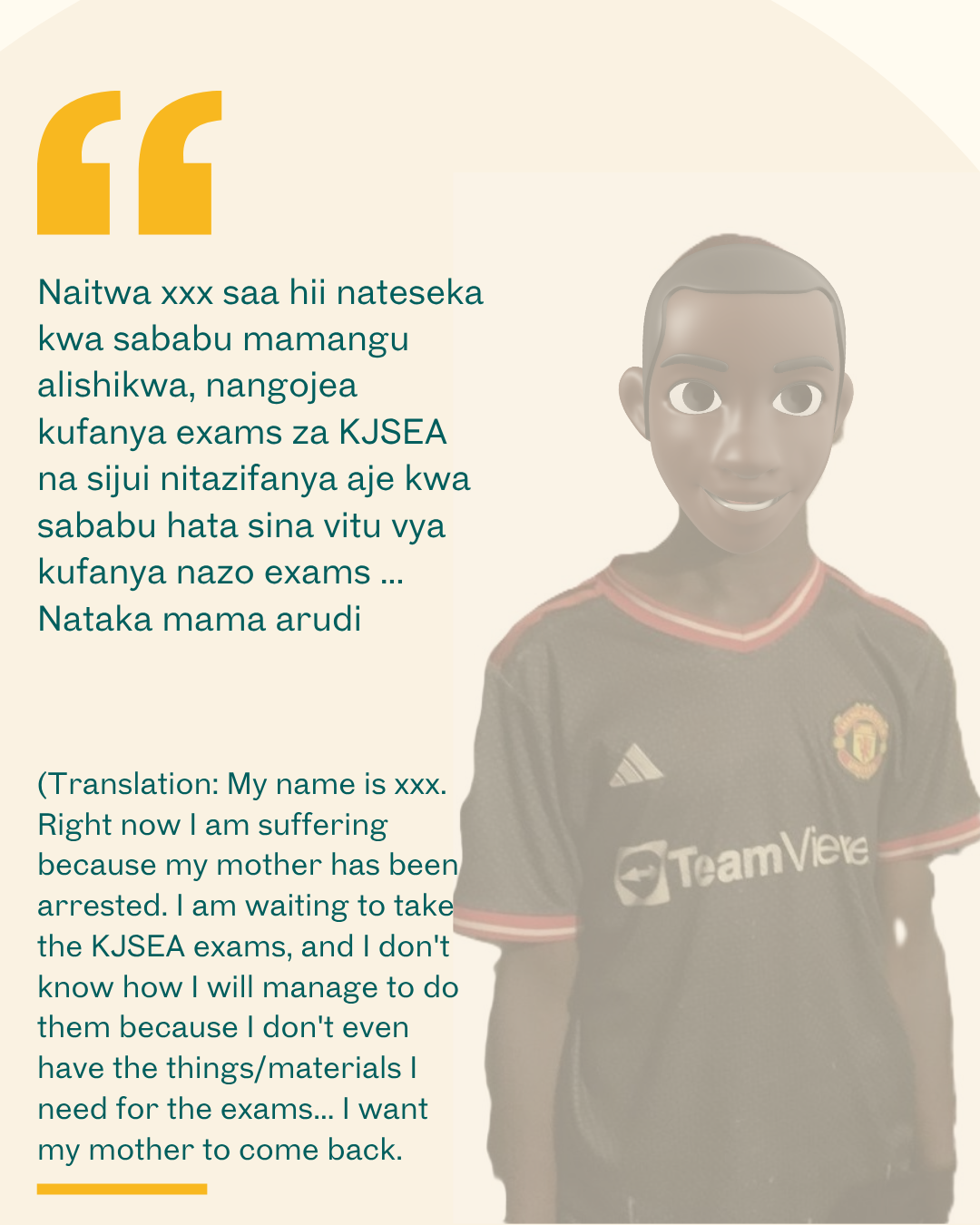
The firstborn had already spent months out of school. Yet even in those difficult circumstances, he had not given up on learning. We found him reading books borrowed from the household, helping with chores, washing clothes for himself and his younger brother, and ensuring he reported to school every morning. His quiet maturity spoke volumes about the responsibilities he had carried at such a young age. The younger one, on the other hand, had managed to remain in school through the goodwill of a local school that welcomed him despite the family's inability to pay fees. Together, the boys continued hoping for one thing above all else, that one day they would be reunited with their mother.
What followed was a race against time. Behind the scenes, the Social Department worked closely with the Children's Department and other stakeholders to identify a safe place where the boys could stay after Lydia's departure. The process involved several assessments, discussions, and coordination to ensure that any decision made would be in the children's best interests. Eventually, a temporary placement was secured at XYZ Children's Home. The home not only offered the boys safety and stability but also provided access to education within its compound, ensuring that both children could continue learning without further interruption.
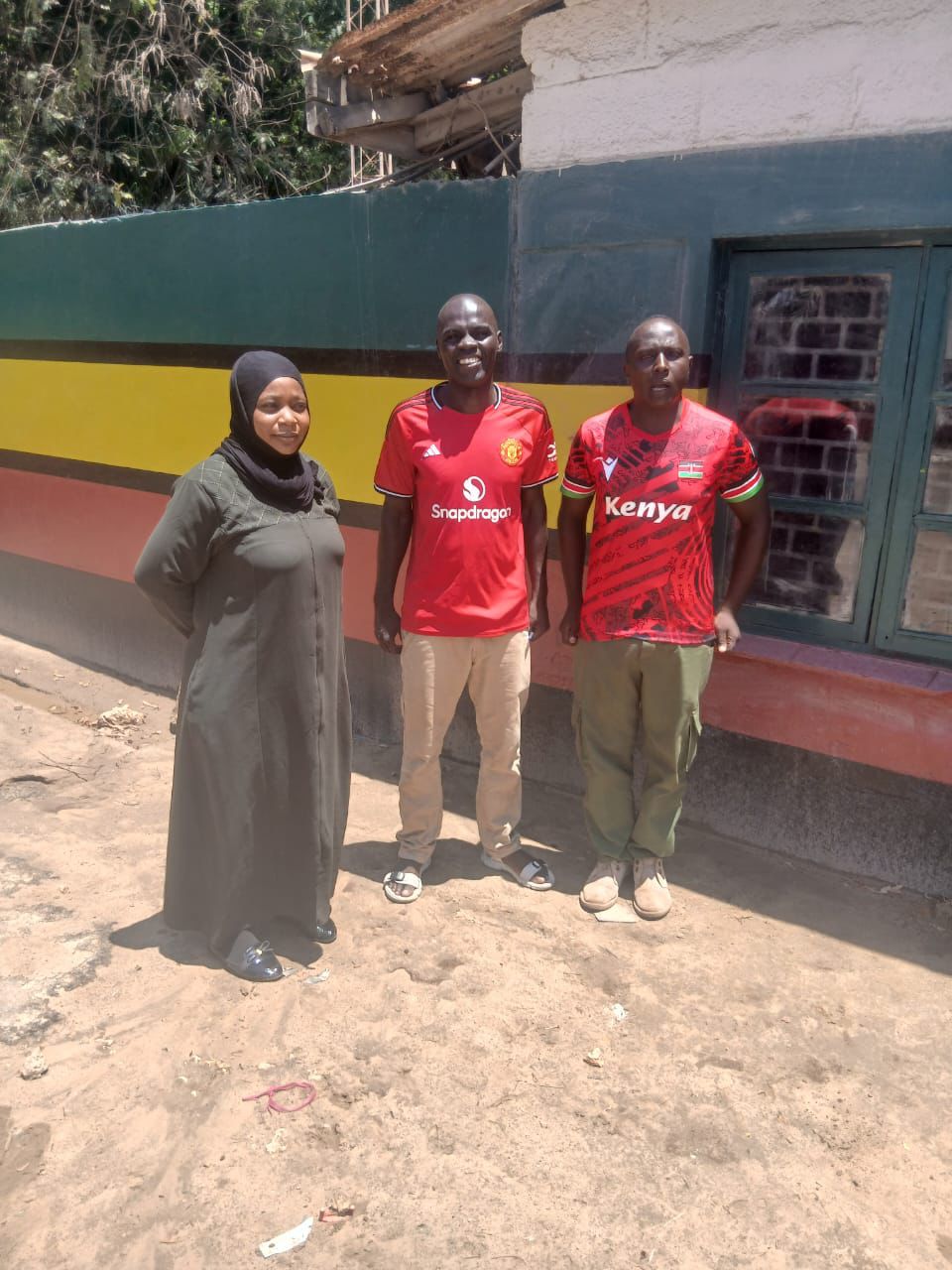
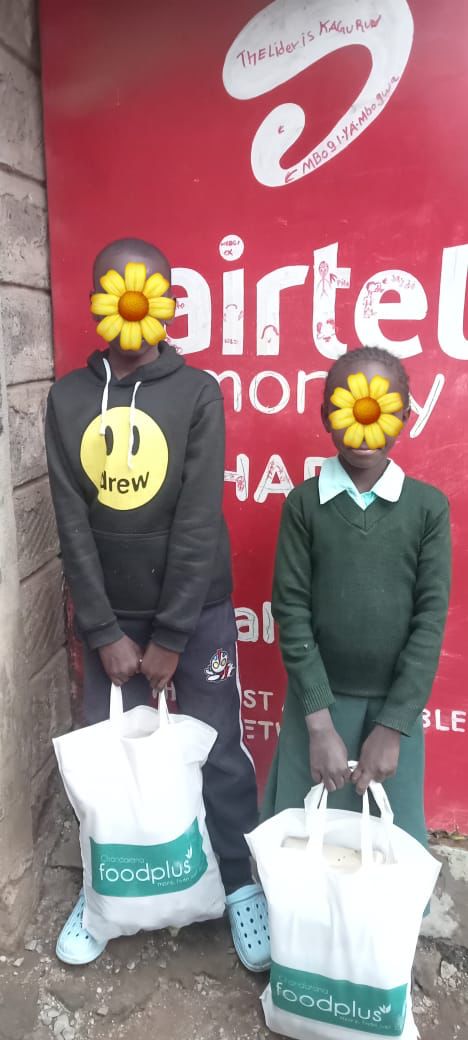
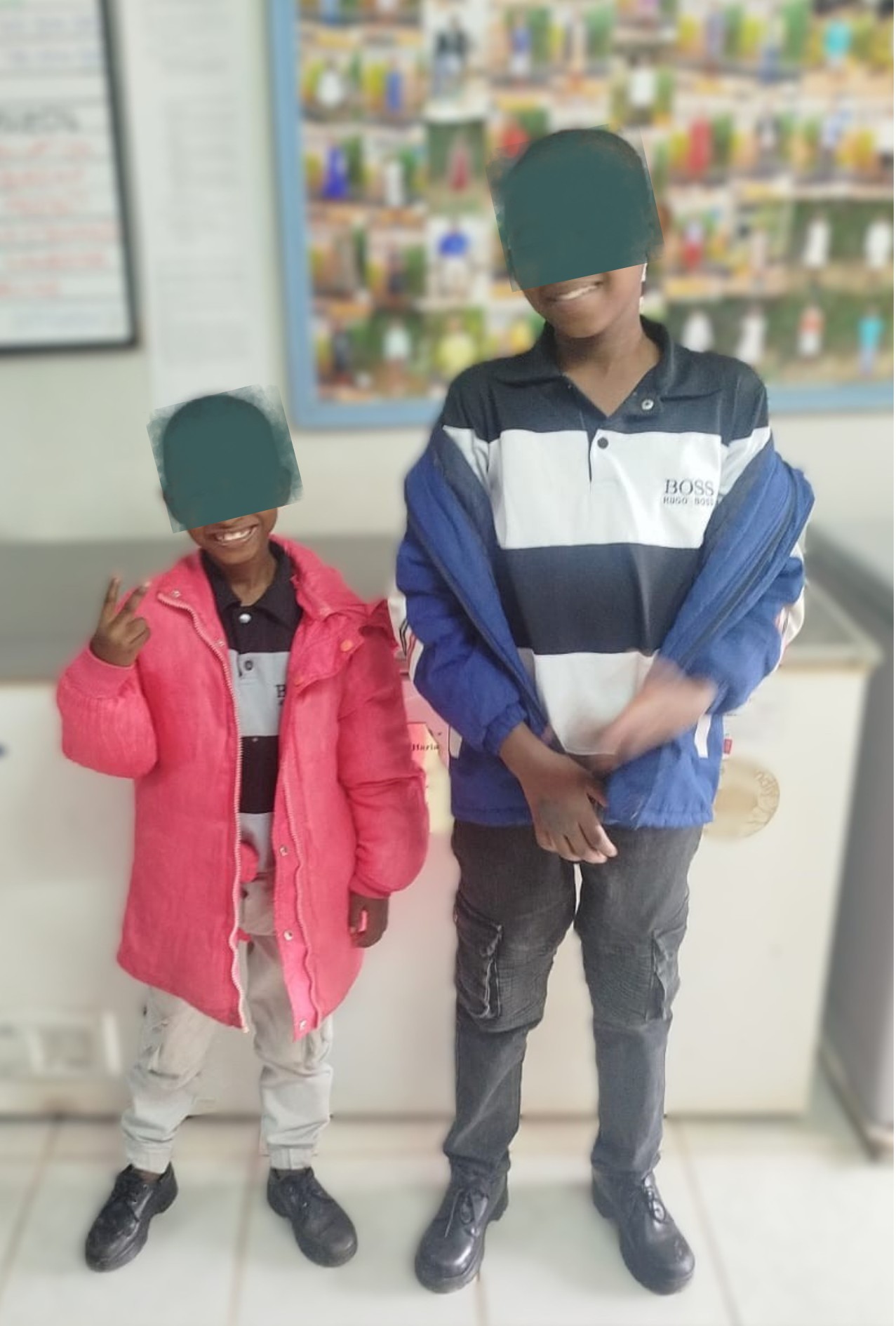
The journey did not end there. Follow-up visits remain an important part of our work. During a recent visit to XYZ, it was encouraging to find both boys settled into their new environment. They were attending school, had access to food, clothing, shelter, and the daily care every child deserves. Yet beneath that stability remained something no institution can replace a mother's presence.
As we talked, both boys spoke warmly about SI and shared how much they miss her. Like many children separated from a parent through incarceration, their greatest hope is not simply having their basic needs met, but being together again as a family. Their longing was evident, reminding us that emotional wellbeing is just as important as physical care.
Their story is also a reminder that reintegration begins long before a prison gate opens. It starts with protecting children, preserving hope, maintaining family connections, and ensuring that when a parent is finally released, there is still something to return to. At Justice Nest, our work is often unseen. It is found in the countless phone calls, home visits, referrals, meetings with government officers, partnership engagements, follow-up visits, and difficult decisions made in the best interests of vulnerable families. These efforts may happen quietly, but they create the foundation upon which healing and restoration become possible.
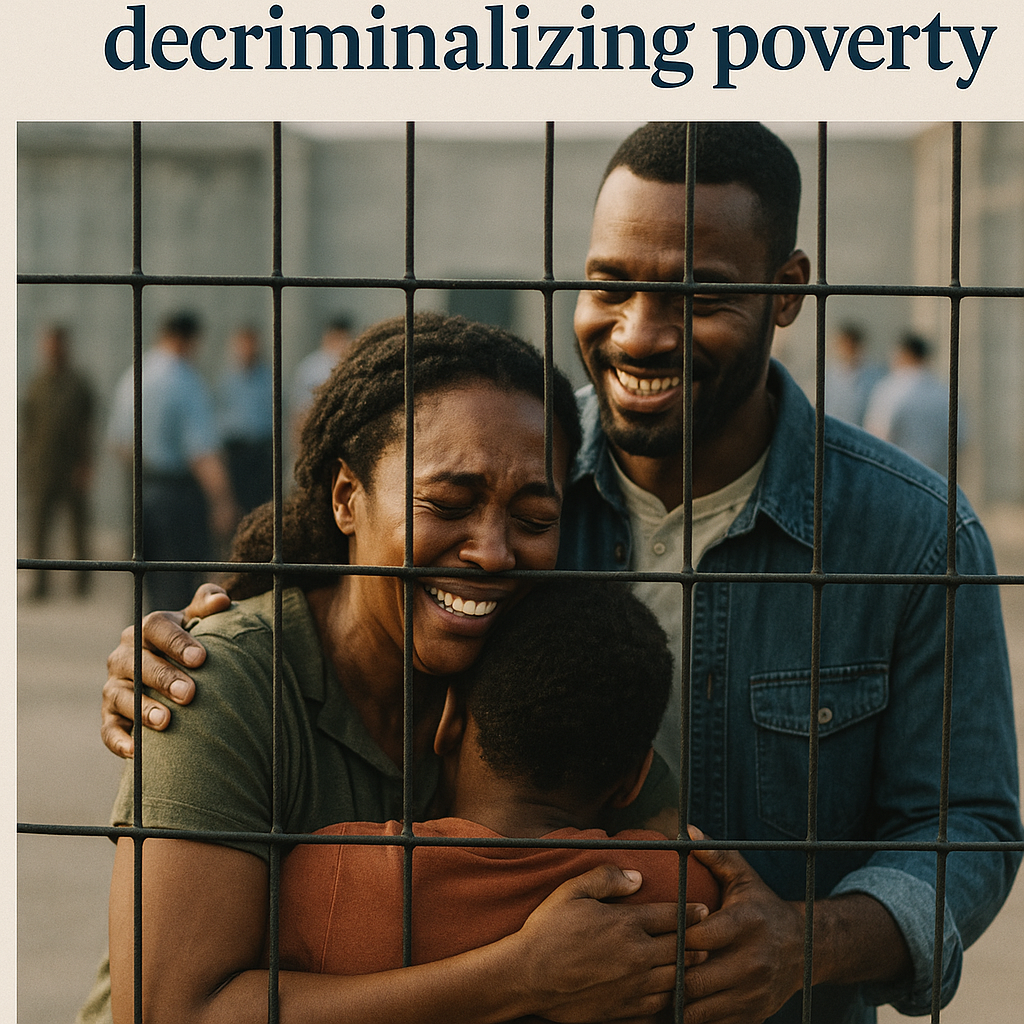
The boy's story is still unfolding. Their journey has not been without uncertainty, but today they are safe, back in school, and surrounded by people committed to walking alongside them. As we continue supporting SI through her legal process, we remain hopeful that one day this family will be reunited.
Rebuilding Lives, One Family at a Time begins with protecting the children until their mother can hold them again.
Janett Muasa - Justice Nest Social Worker


.jpeg)
.jpeg)