Stories
June, 2026
Every Sunrise Brings a Chance to Rewrite Your Story: Gladys's Journey from Remand to Redemption
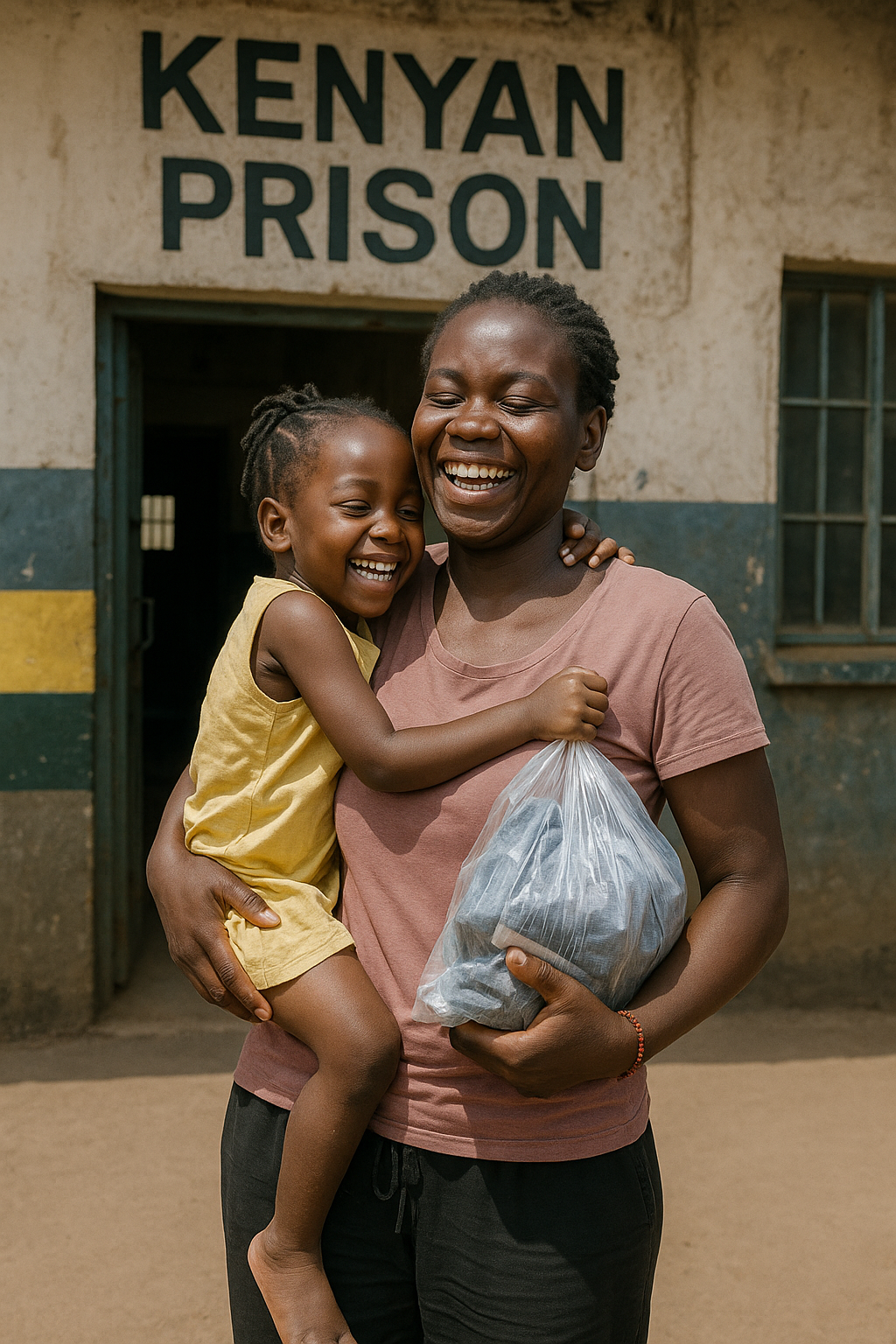
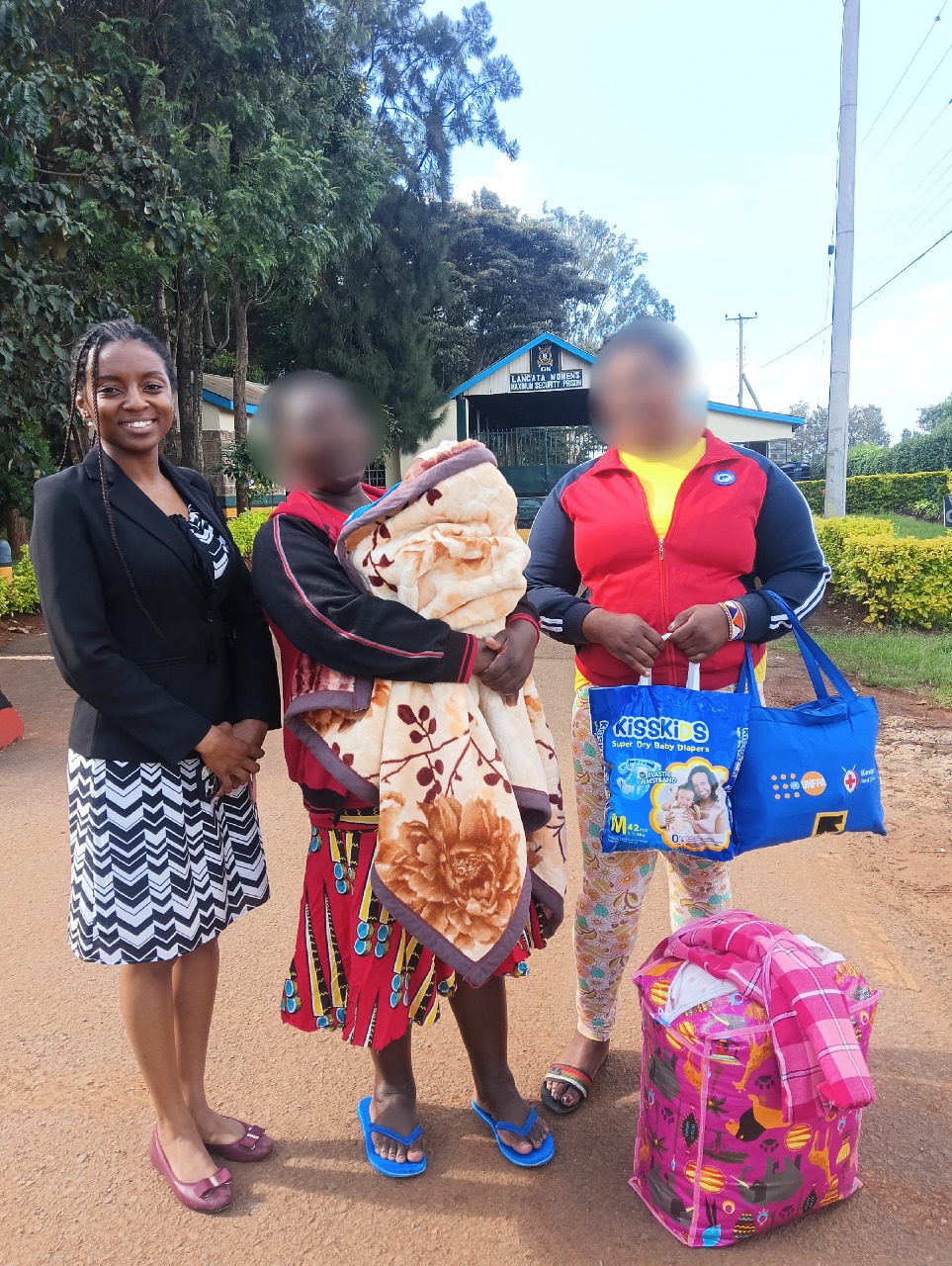
She walked out of remand prison on a quiet July morning, blinking against the sunlight that had become foreign to her. Five months (One hundred and fifty days.) That was the price Gladys had paid for a single word spoken in anger, a word that had shattered her relationship with her mother and cost her freedom, her stability, and nearly her hope.
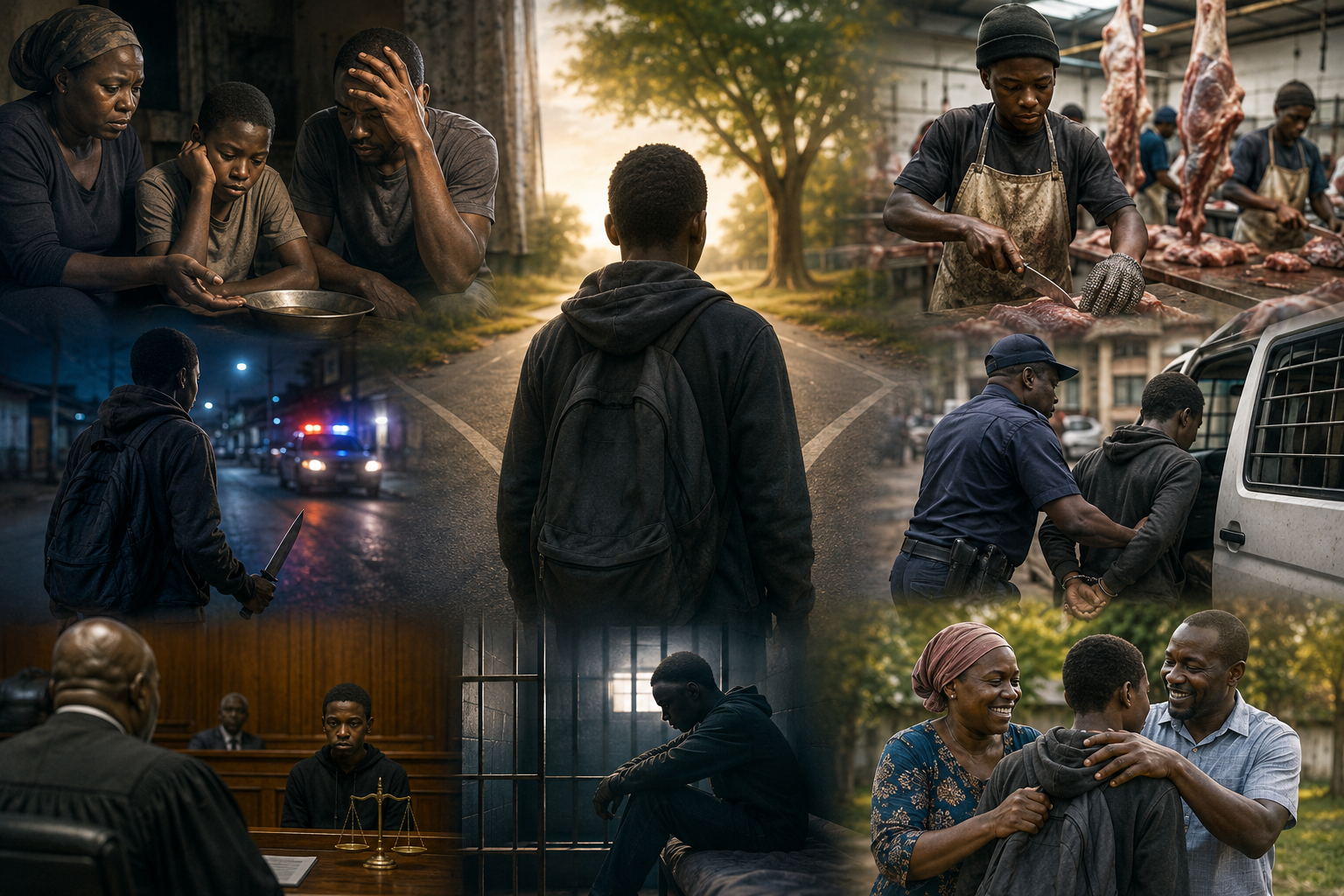
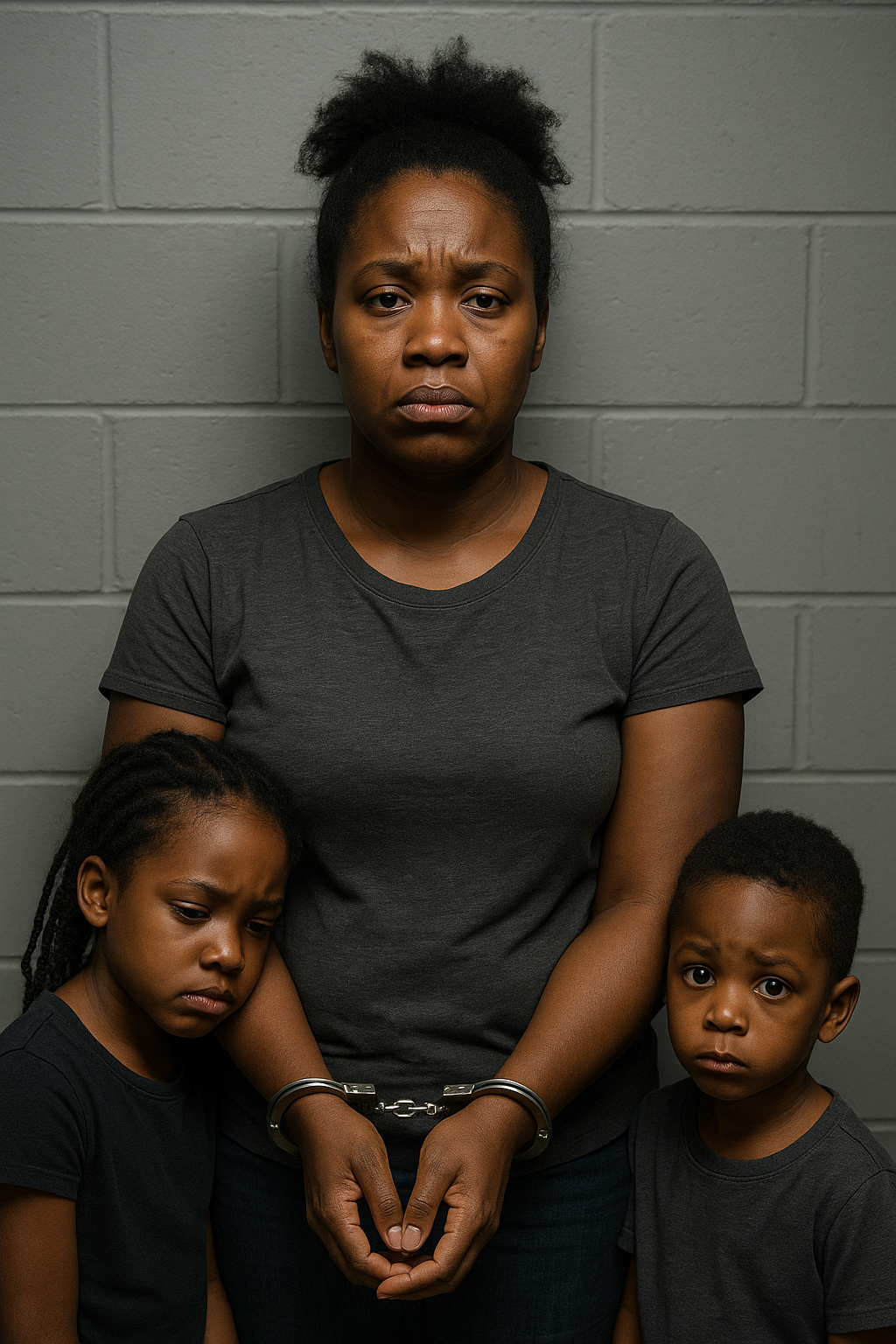
Gladys had been arrested after an argument with her mother escalated beyond repair. It was not a threat. It was not violence. It was the bitter cry of a daughter who had endured years of rejection and verbal abuse. But the law did not see it that way. Gladys was arraigned, remanded, and spent the next five months behind bars, separated from her two school-going children and stripped of her dignity.
When Gladys's case came to our attention, Justice Nest recognized immediately that we were not dealing with a criminal, we were dealing with a woman trapped in a cycle of family dysfunction and systemic neglect. We began our intervention long before her release date. Our social team conducted a thorough intake assessment, understanding that Gladys's reintegration would be fraught with challenges: family rejection, housing instability, unemployment, and deep emotional wounds. We walked into her story while she was still behind bars, mapping out a reintegration plan that would address her children's welfare, her housing crisis, and her economic vulnerability. When Gladys was finally released, Justice Nest was already there, ready, present, and committed.
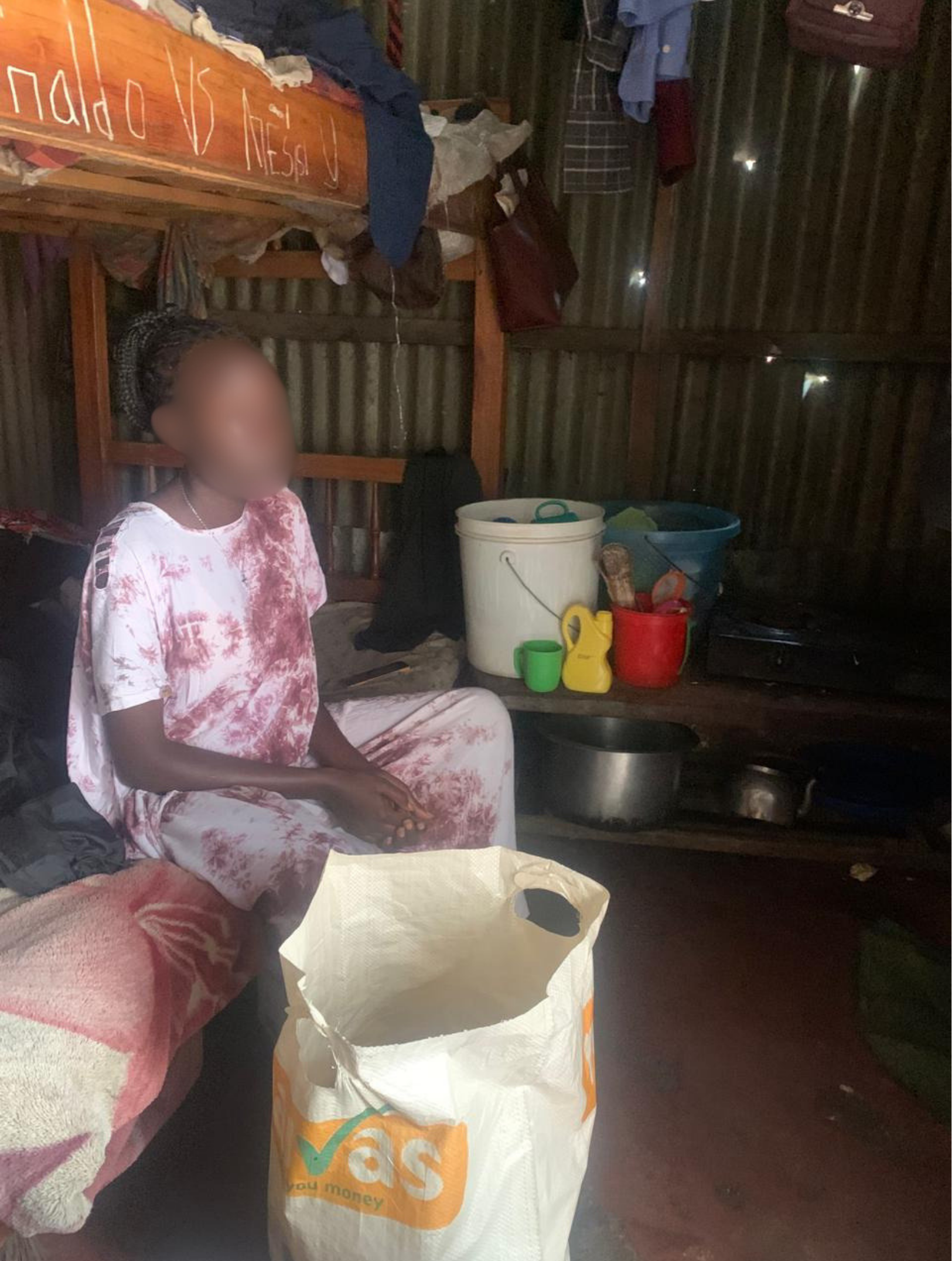
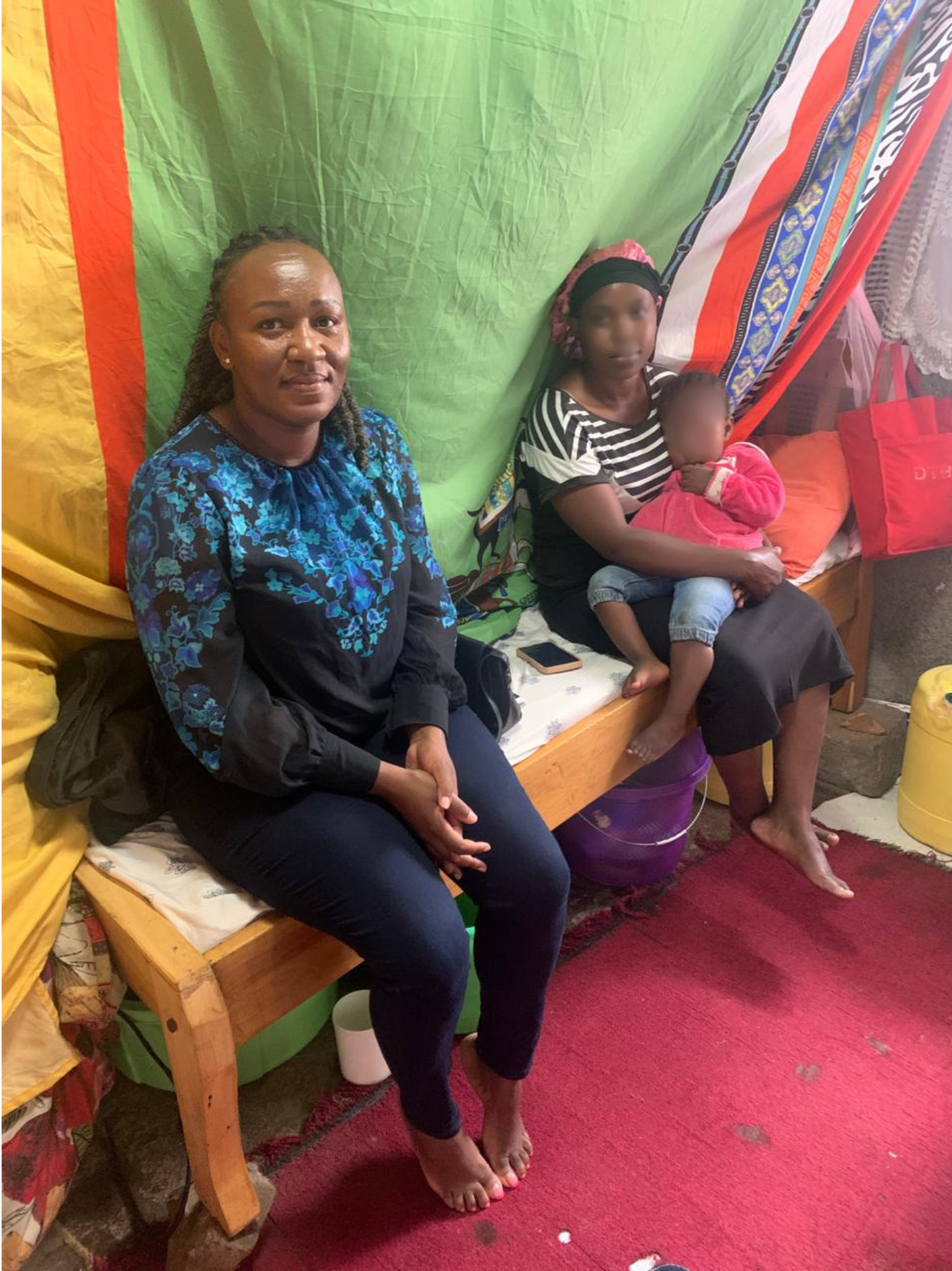
Just days after her release, our social officer visited Gladys at her temporary residence. She was staying with a friend who had cared for her two children during her imprisonment. He had kept them in school, ensured they had a place to sleep, and provided at least one meal a day. Yet even this fragile arrangement was crumbling. The friend had informed Gladys that she had only a short time to find alternative accommodation. The clock was ticking, and she had nowhere to go.
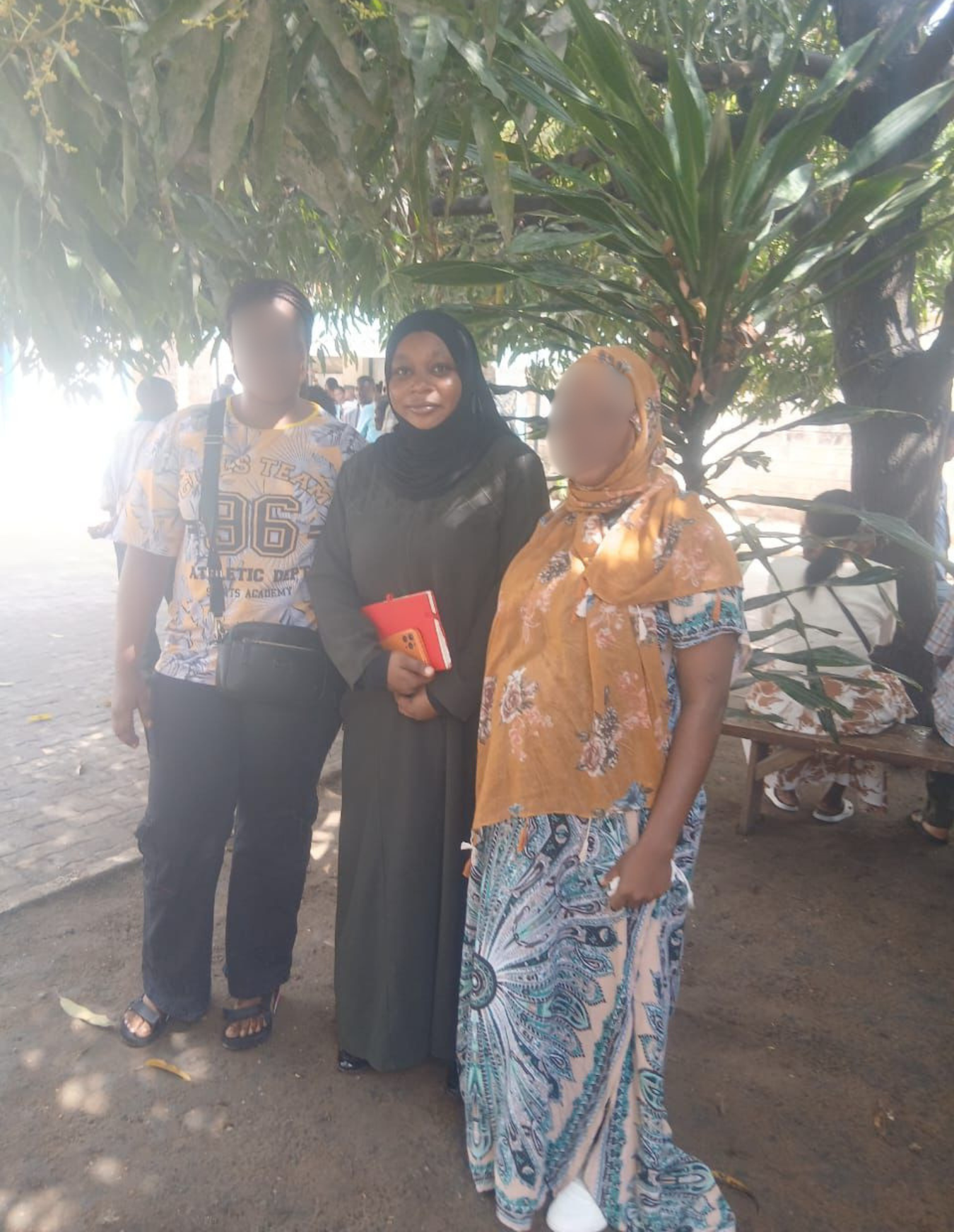
Returning to her parents was not an option. They had completely rejected her, her mother continuing to verbally abuse not only Gladys but also her children. The neighbourhood, too, had turned cold. Many neighbours were afraid to assist Gladys, fearing retaliation from her parents. Her arrest had created a climate of fear and uncertainty, leaving her isolated and alone. During the visit, Gladys appeared visibly anxious but not broken. She spoke openly about her emotional pain, carrying the weight of guilt for the impact her imprisonment had on her children. And yet, beneath the exhaustion, there was hope. On the very day of our visit, Gladys had met with the director of her children's school, a local priest moved by her story. A concerned neighbour had referred her to him. The priest listened with compassion and promised to consider offering her casual work, a small but significant step toward financial independence.
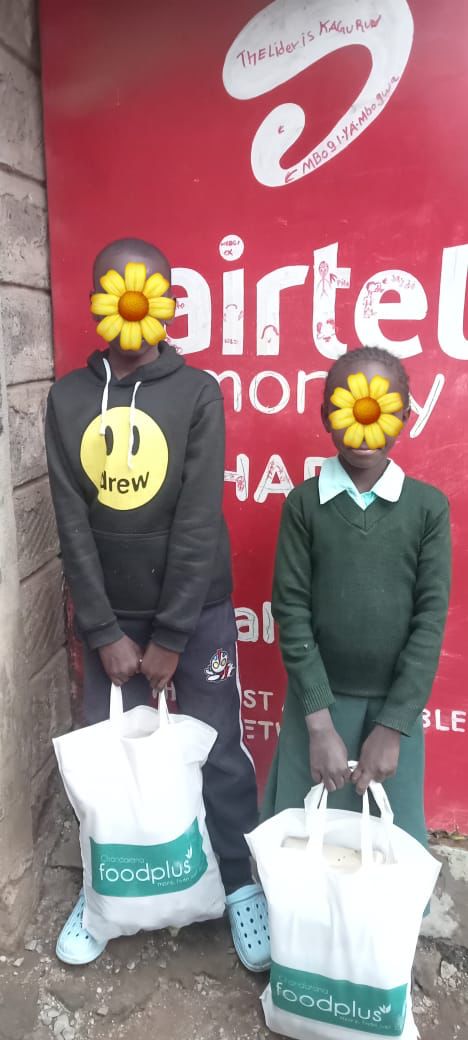
Gladys's eyes lit up as she shared this news. She spoke of her desire to earn an income, to pay off her children's school fees, and to rebuild her life from the ground up. She did not ask for handouts. She asked for a chance. It was also encouraging to learn that despite the family's struggles, the children had continued to perform well academically.
Gladys is a mother navigating multiple psychosocial challenges. She is vulnerable, yes. But she is also determined. She wants to work. She wants to provide for her children. She wants to give them the stable home she never had. Her resilience is evident in every conversation. She does not wallow in self-pity. She acknowledges her mistakes, owns her circumstances, and keeps her eyes fixed on the future. Her children are her anchor. Their wellbeing is her compass.
Justice Nest remains committed to walking alongside Gladys for as long as it takes. Our social team is providing ongoing psychosocial follow-up. We are following up on the employment opportunity with the local priest and exploring other livelihood programmes. We are monitoring her children's wellbeing and school attendance. We do not see her as a case number. We see her as a mother, a survivor, and a woman worthy of a second chance.
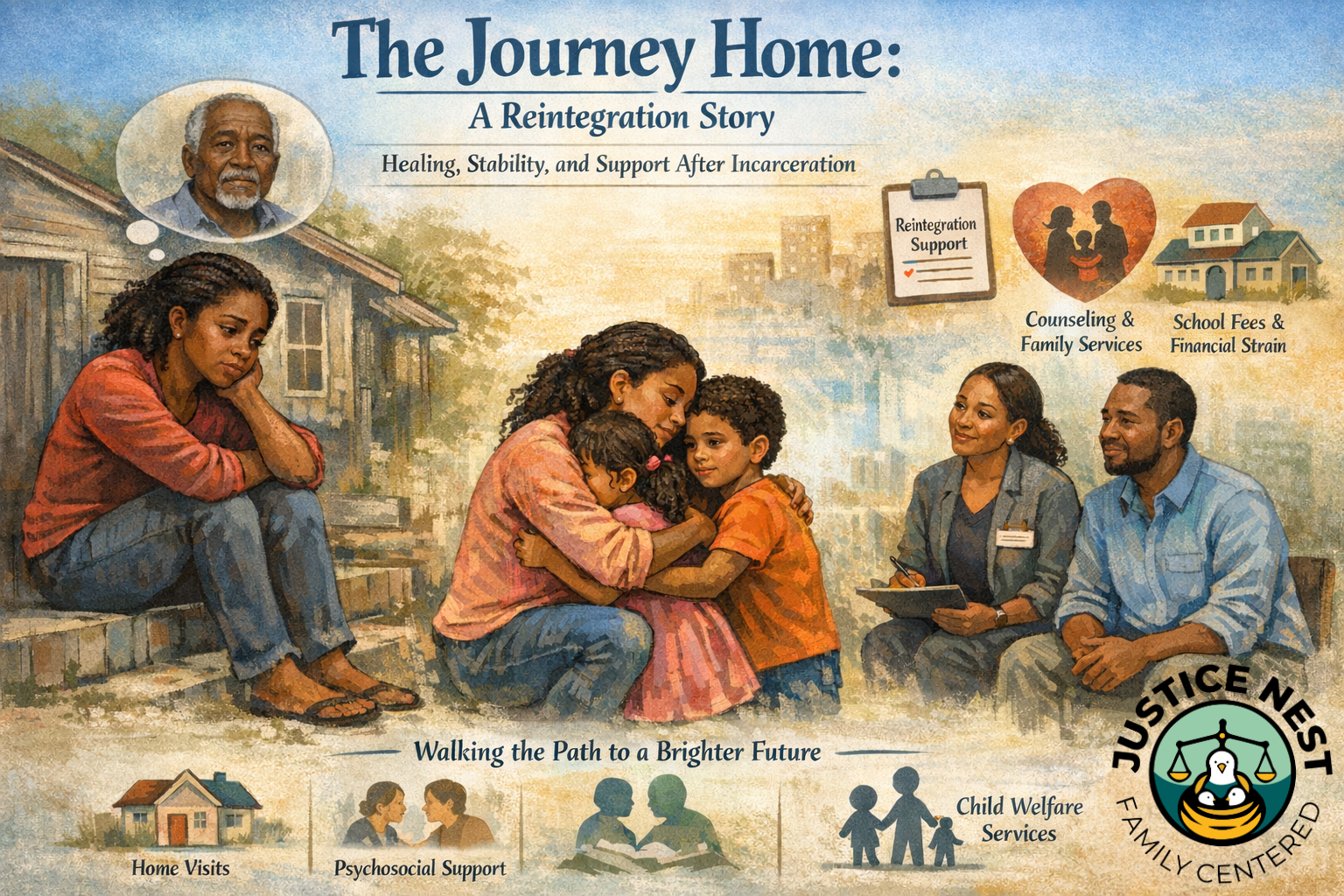
Gladys's journey is a stark reminder of the difficult realities that many women face after release from prison. They return not to open arms, but to broken relationships. They step out of custody and into homelessness. They carry the shame of incarceration while trying to rebuild lives that were dismantled long before they ever saw a courtroom. But Gladys has not given up. The support shown by members of the community has given her a renewed sense of hope.
With continued guidance and the unwavering support of Justice Nest, Gladys has a real opportunity to regain stability and provide a better future for herself and her children. Her story is not over. In many ways, it is just beginning. And we will be there, every step of the way.
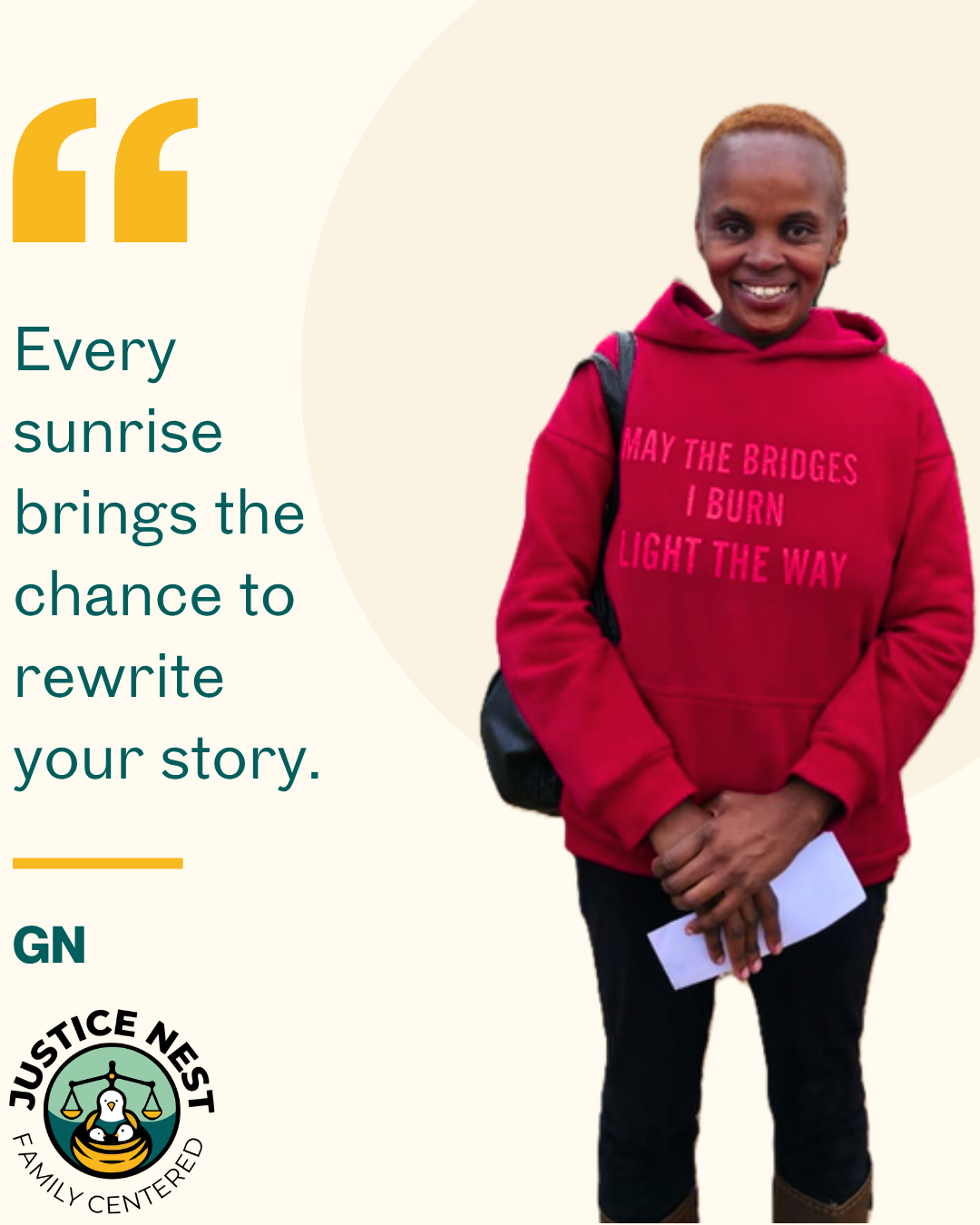
"Every sunrise brings the chance to rewrite your story." Gladys is rewriting hers. With your support, we can help more women like Gladys turn the page and begin again.
Janett Muasa - Justice Nest Social Worker


.jpeg)

.jpeg)