Stories
May, 2026
Jane's Journey of Hope
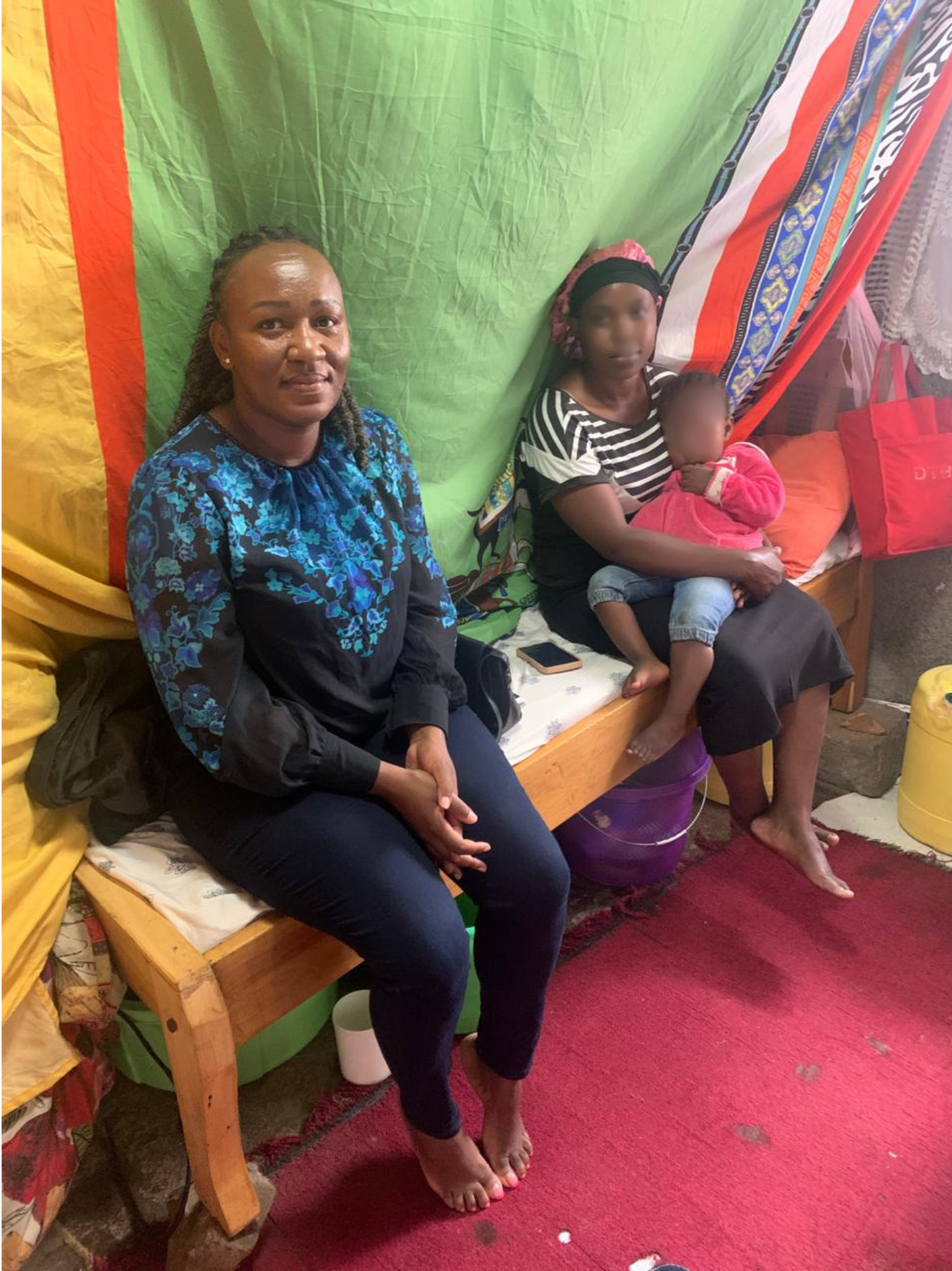
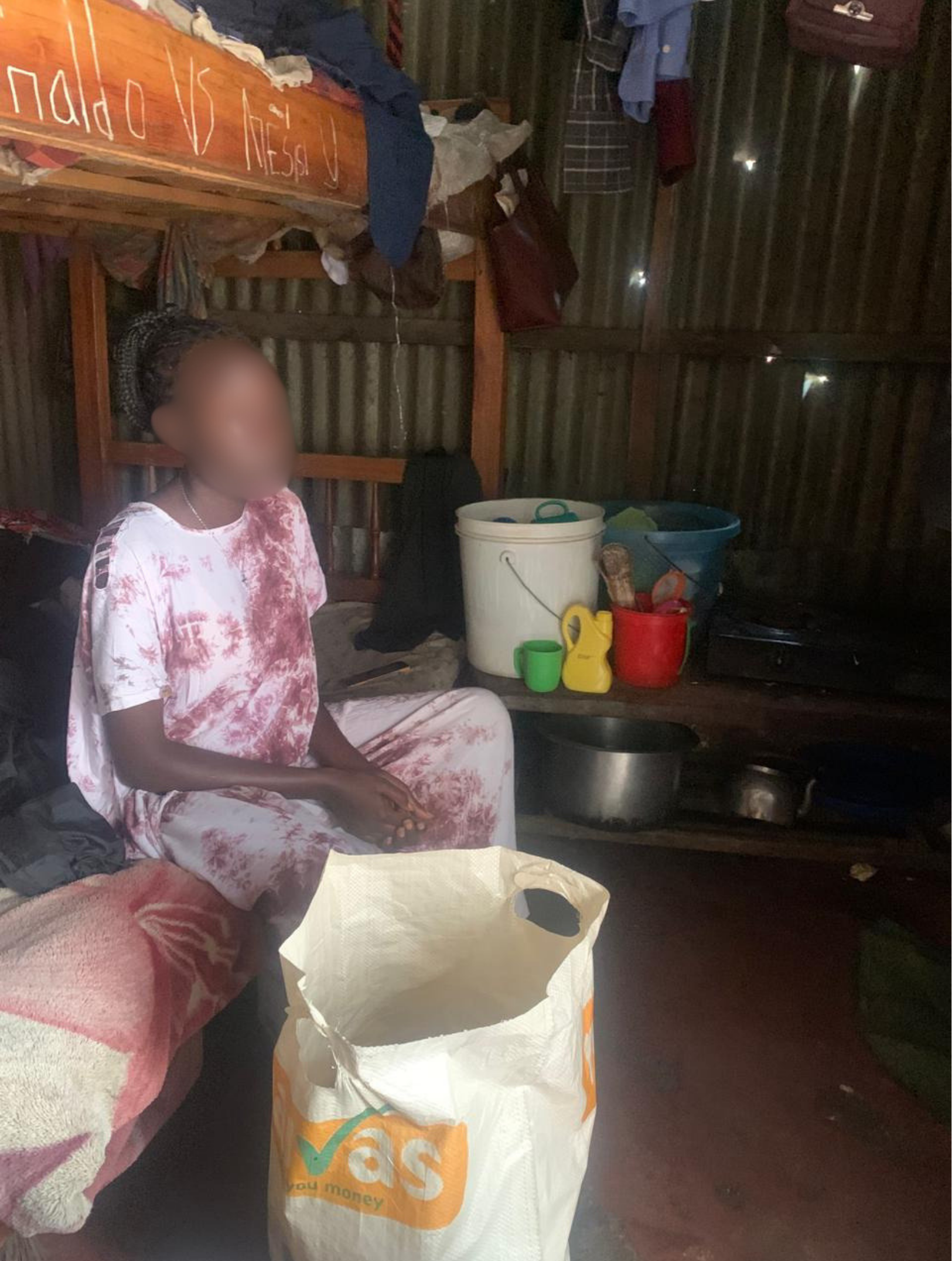
When Justice Nest first met Jane a 17-year-old girl living in Nairobi, her situation was deeply concerning. Jane was four months pregnant, out of school, emotionally withdrawn, and living in extremely difficult conditions together with her siblings and mother in a small one-roomed house.
The family had already been struggling, but things worsened after the death of Jane’s father in December 2025. Since then, the burden of survival largely shifted to the eldest sister, Esther, who is also in school and also does casual jobs in the neighborhood just to put food on the table and support her younger siblings. Their mother, who struggles with alcohol use, appeared overwhelmed and disconnected from the children’s wellbeing.
Jane herself had already faced multiple setbacks at a very young age. Apart from her pregnancy, she had previously been removed from a school sponsorship program after a conflict-related incident that led to a short incarceration. She had also lost support from the child’s father, who disappeared after learning about the pregnancy.
At the time of our first home visit, Jane had not started antenatal care (ANC) due to lack of finances and medical cover. She appeared uncertain about her future and emotionally affected by everything happening around her.
Following the visit, Justice Nest Social Office made follow-ups and referred Jane to the social office at a Level 4 Hospital near her home, so that she could begin her ANC journey. Through the intervention of the hospital social office, Jane’s clinic charges were waived, and she only needed to pay Ksh 100 for services. This was a huge relief to her considering the family’s financial struggles.
When I recently spoke to Jane, she happily shared that she has been attending her antenatal clinics consistently without any major challenges. She expressed gratitude for the support and said the process at Saitoti Hospital has been smooth and encouraging for her.
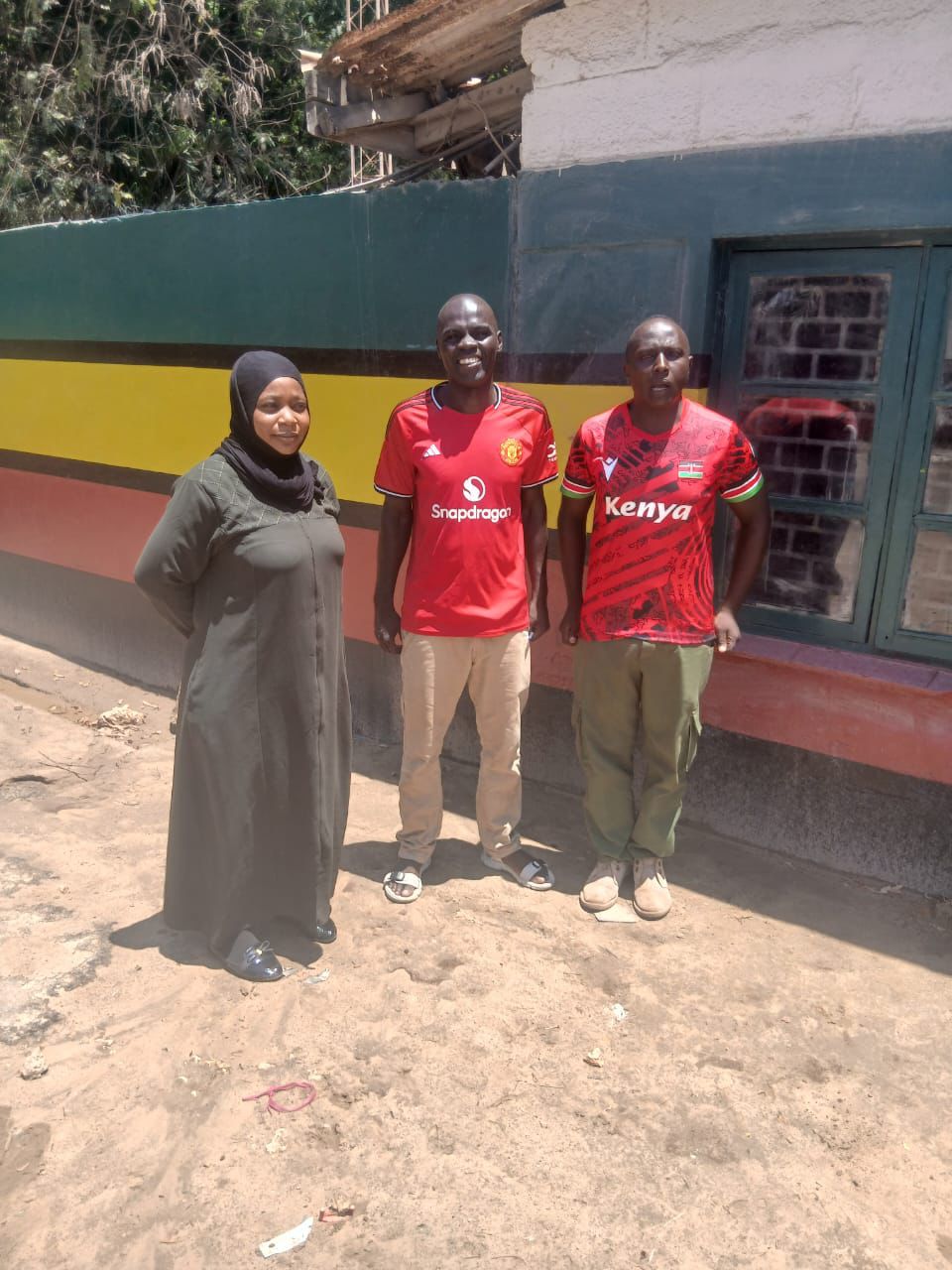
In the process of looking for more long-term support for Jane, I also managed to visit an organization that supports teenage mothers through pregnancy and reintegration. The organization helps young mothers with antenatal care, delivery support, and later empowers them through skills training such as beauty and cosmetics, hairdressing, and tailoring.
Through this engagement, MCF-Panairobi referred Jane’s case to Pro Life, an organization that agreed to support Jane during delivery and help cater for the delivery costs. Even more encouraging, they expressed willingness to support Jane’s return to school after she gives birth and settles with the baby. The organization also committed to helping with her school fees so that she can continue with her education next year.
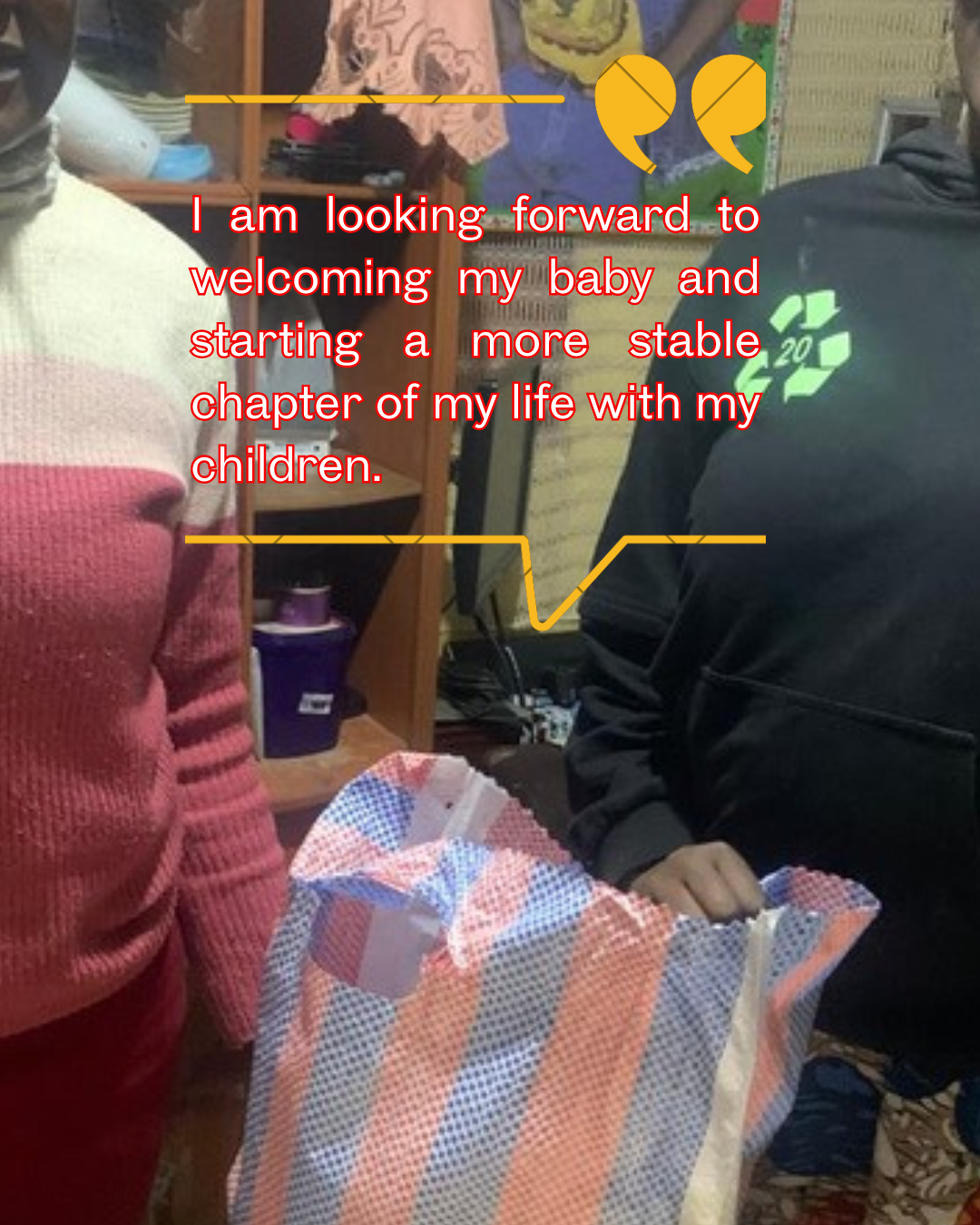
When I shared this information with Jane, she was genuinely excited and relieved. For the first time in a long while, she sounded hopeful about her future. Knowing that there are people willing to support her through pregnancy and still help her continue with school gave her encouragement and renewed confidence.
Jane’s story continues to show how important a supportive family environment is in a child’s recovery and future. A child facing crisis needs emotional support, guidance, reassurance, and someone who believes in them. In Jane’s case, the absence of strong parental support greatly contributed to her vulnerability. The emotional impact of losing her father, combined with poverty, neglect, and lack of guidance, left her exposed at a very critical stage of life.
The effects of family instability and separation on minors can be very heavy. Many children silently struggle with emotional pain, confusion, and hopelessness, which later affects their education, confidence, relationships, and overall wellbeing. Even where biological family support is lacking, support from teachers, mentors, organizations, and community members can completely change a child’s direction.
While Jane has made encouraging progress, there is still more that needs to be done for her and many girls like her. Continued psychosocial support will still be important as she prepares for motherhood and eventually transitions back to school. The family also still requires economic and emotional support, especially for the younger siblings who remain vulnerable.
Jane’s journey is still ongoing, but her story is a reminder that timely intervention, collaboration, and compassionate support can give vulnerable young girls another chance to rebuild their lives and pursue their dreams.
Janett Muasa- Justice Nest Social Worker


.jpeg)
.jpeg)