Stories
June, 2026
The Price of a Child’s Quarrel
It began, as so many catastrophes do, with something small. A child’s quarrel. A moment of rough play between two neighbours’ children, the kind of scuffle that usually ends in tears, a quick apology, and forgotten grudges by dinner time. But for Teresia, that fleeting instant of childish conflict became the spark that ignited a firestorm, consuming her job, her freedom, and nearly her hope.
Teresia is a teacher by profession, a woman who has spent her life shaping young minds and building futures for others. She lived quietly in a bustling neighbourhood, paying her dues, raising her two school-going children, and trying to stay out of trouble. But trouble, as she painfully learned, does not always knock. Sometimes, it storms in.
According to Teresia, the neighbour who lived nearby had long harboured what she believed to be jealousy. While Teresia worked as an teacher, the neighbour stayed at home. Small snide remarks and whispered gossip had circulated among the other women in the flats for months. Teresia brushed it off, choosing peace over confrontation. But when the children’s harmless fight broke out, the neighbour saw her opening.
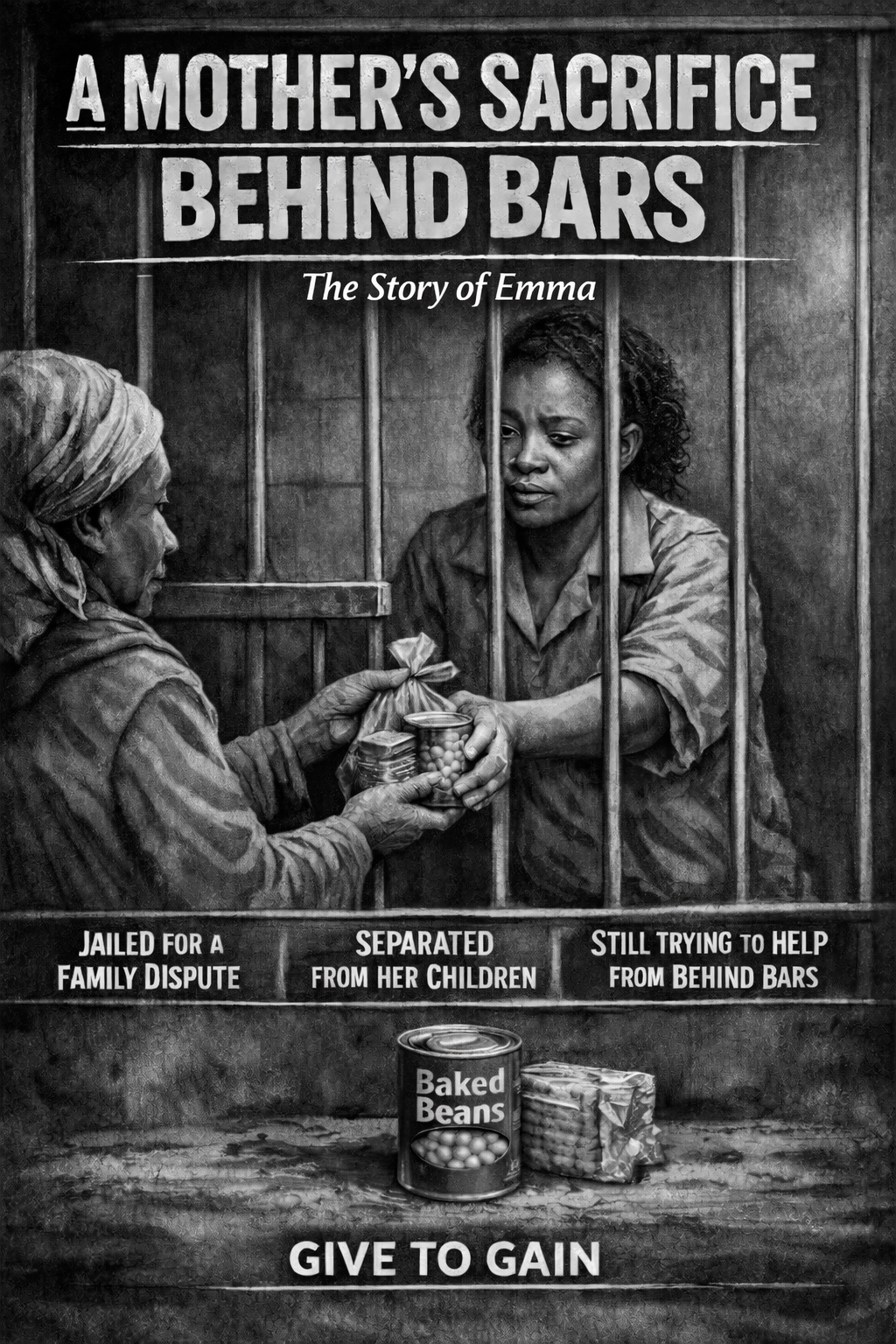
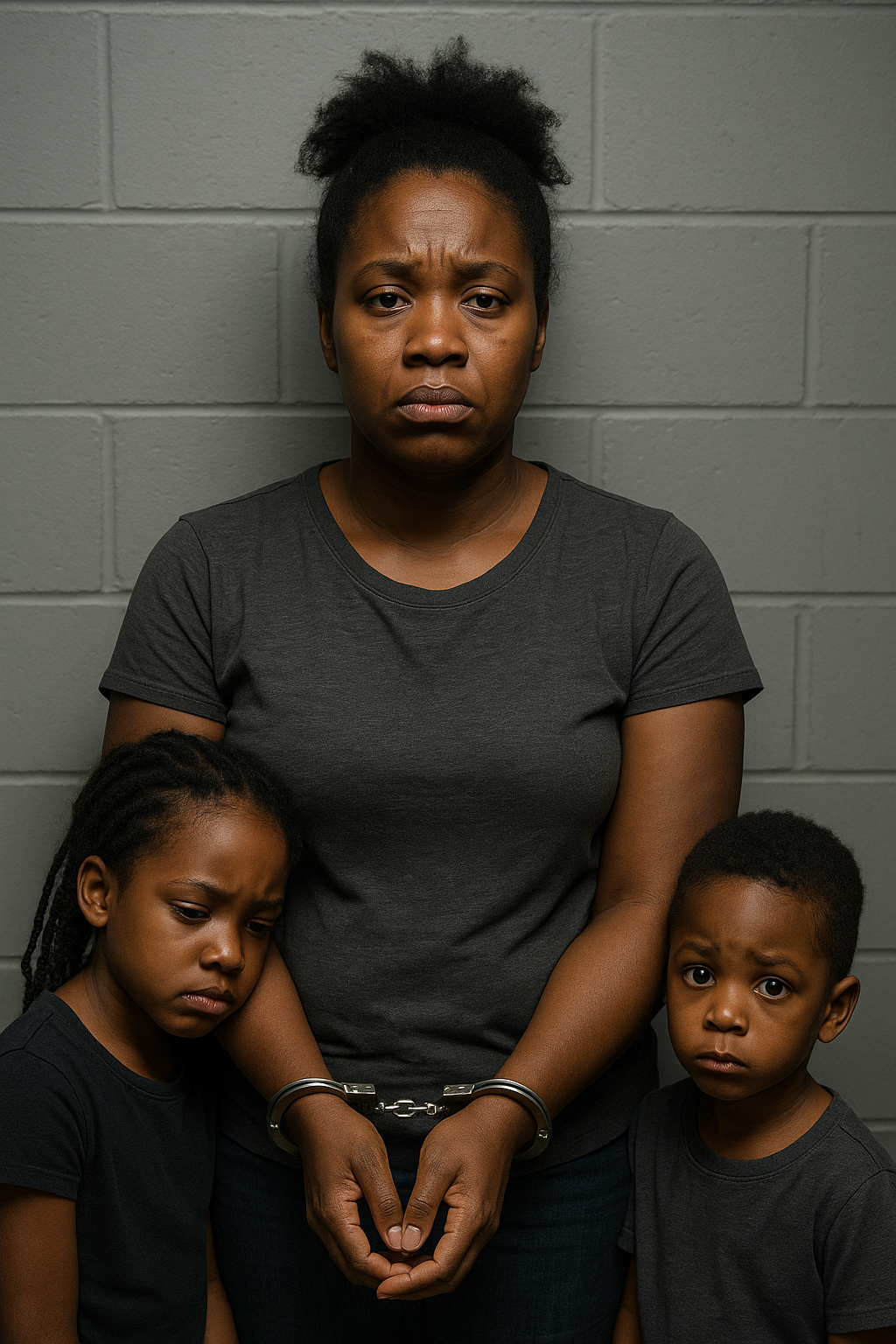
What followed was not a conversation, but an invasion. The neighbour allegedly barged into Teresia’s home, assaulted her, and shattered her household utensils, a violent act that felt less like anger and more like a long-awaited settling of scores. Teresia did what any reasonable person would do: she reported the matter to the police, expecting justice. Instead, she found herself trapped in a system that demanded money she did not have. The police, she says, gave her an ultimatum: pay Ksh 10,000 to resolve the matter, or face the consequences. She could not raise the amount. Within days, she was arraigned in court, remanded in custody, and stripped of her liberty for six agonising months. Let that sink in. Six months. Not for theft. Not for violence. Not for any crime she had committed, but for a dispute where her word was weighed against another’s, and where her poverty became her conviction.
Prison, as Teresia will tell you, is not just a physical confinement. It is a thief. It steals time, dignity, and the quiet rhythm of ordinary life. While she sat behind bars, her teaching position at a private school in Dandora vanished. The school could not wait for her. They replaced her, as any business must, and her career, painstakingly built over years, was erased in a single administrative decision.
Her children, meanwhile, stayed home. Without her income, there was no money for school fees. Since the beginning of the year, they have not attended a single class. No uniforms. No books. No morning rush to catch the matatu. Just an empty, anxious silence where a mother’s presence used to be.
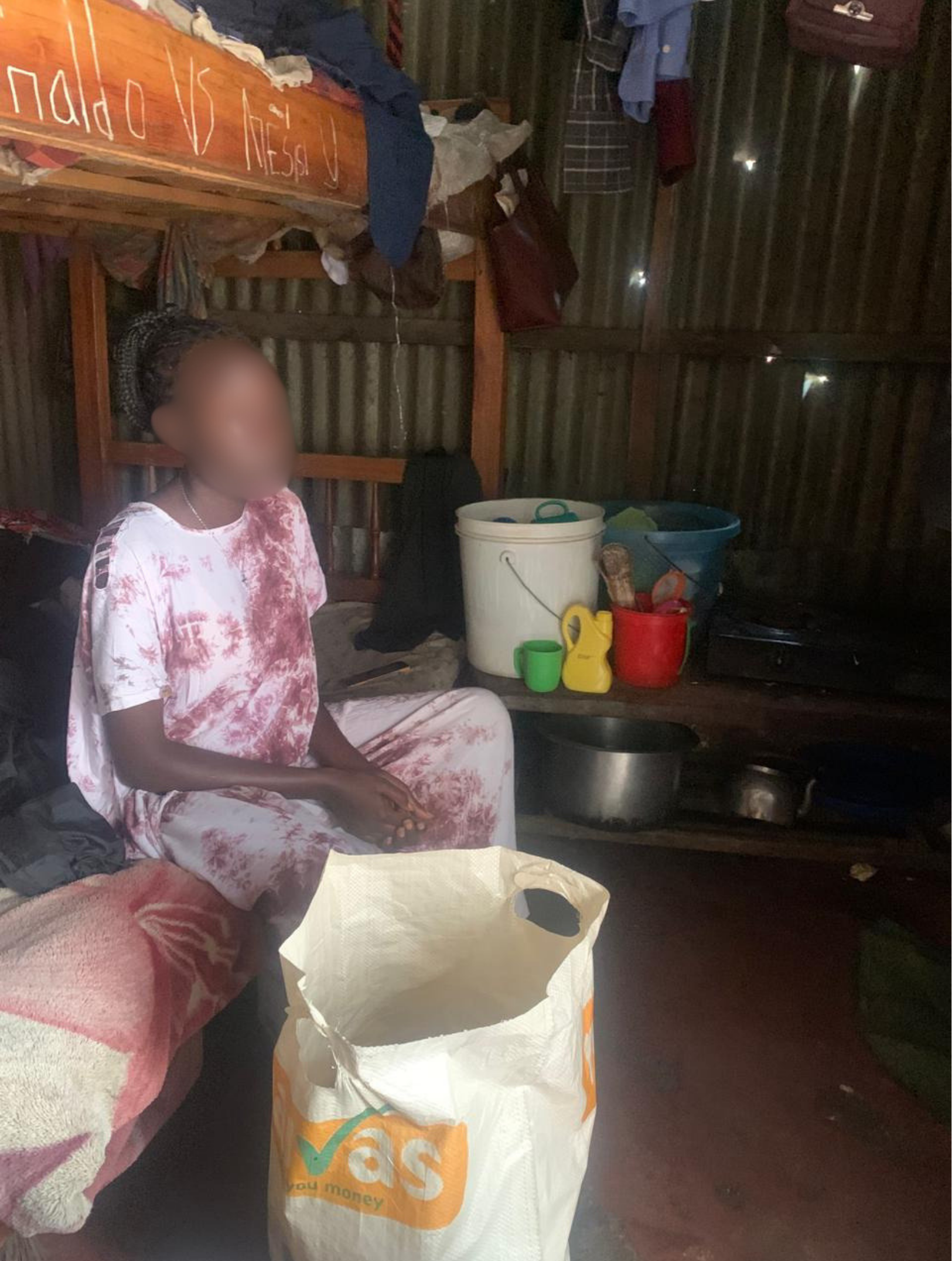
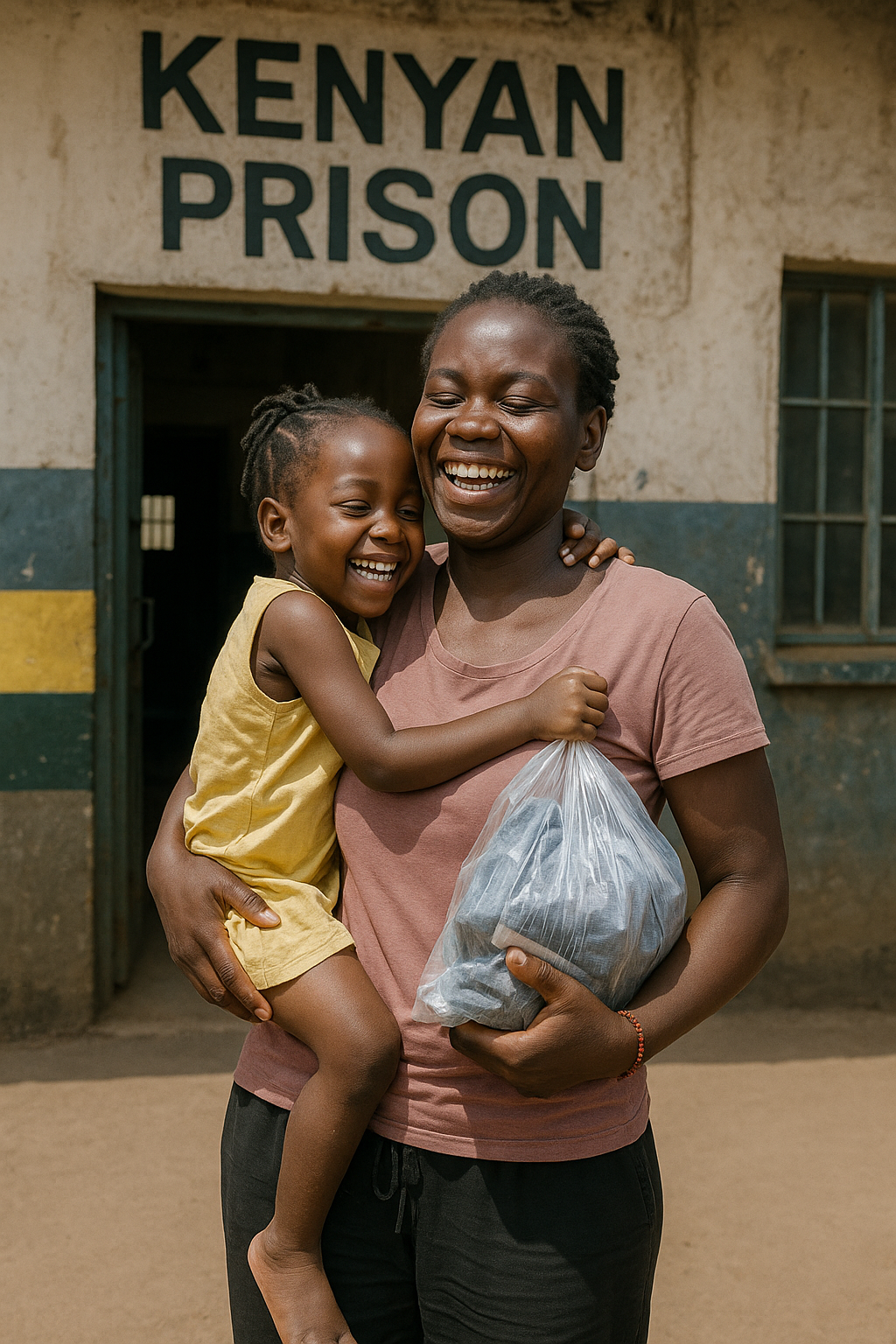
When Teresia was finally released, she did not return to the life she had known. She could not. The hostility in her former neighbourhood had become unbearable. The tension with the neighbour who had reported her hung in the air like smoke, choking every attempt at normalcy. So she made a brave, difficult decision: she left. She relocated to a new residencial area, a modest, quiet place where the walls do not echo with old resentments. Her new home is humble. She pays Ksh 2,000 in monthly rent, a cost she describes as manageable, though the word feels fragile when spoken by someone who has no steady income. But Teresia does not complain. She looks around her small room and sees not poverty, but possibility. A fresh start. A blank page.
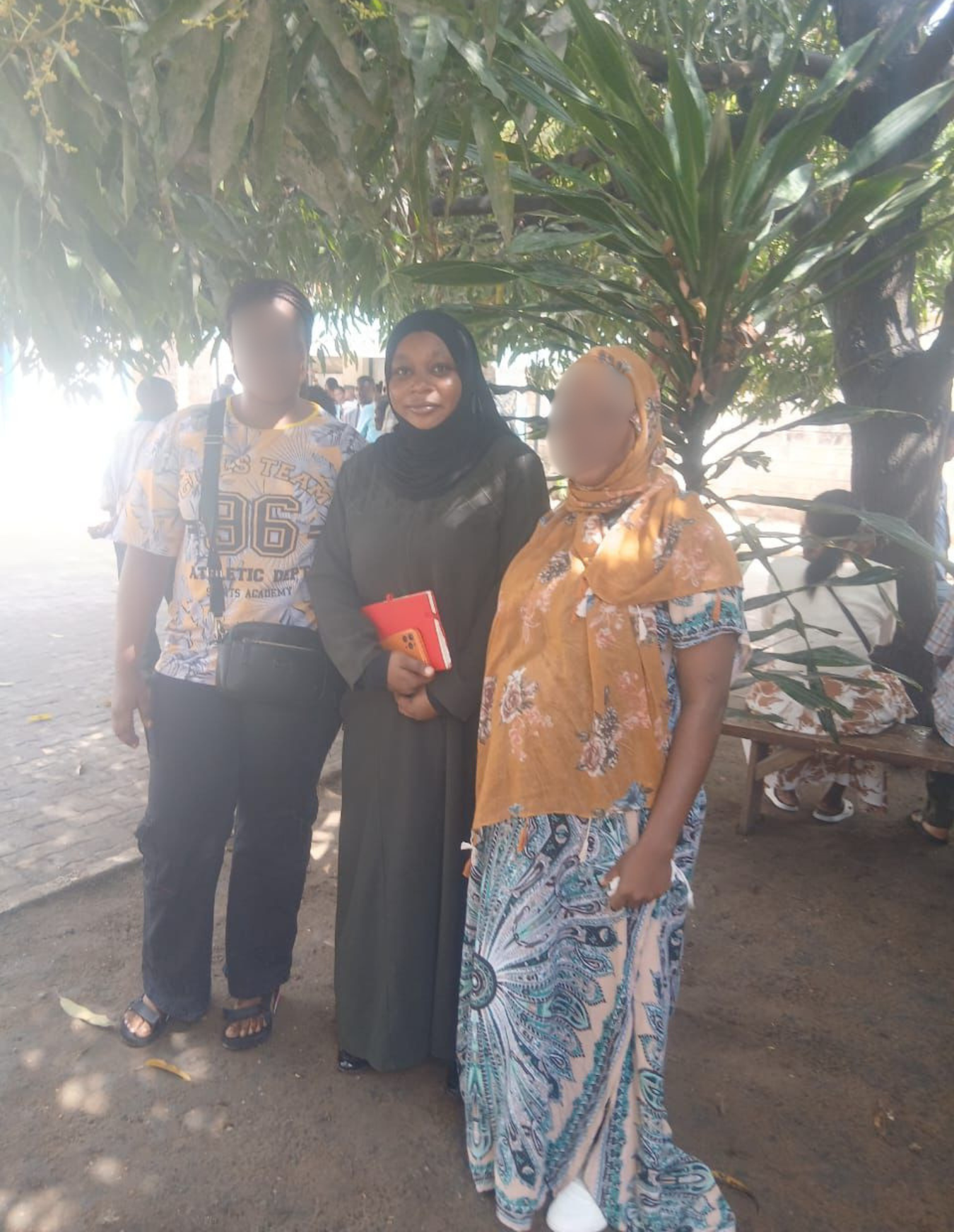
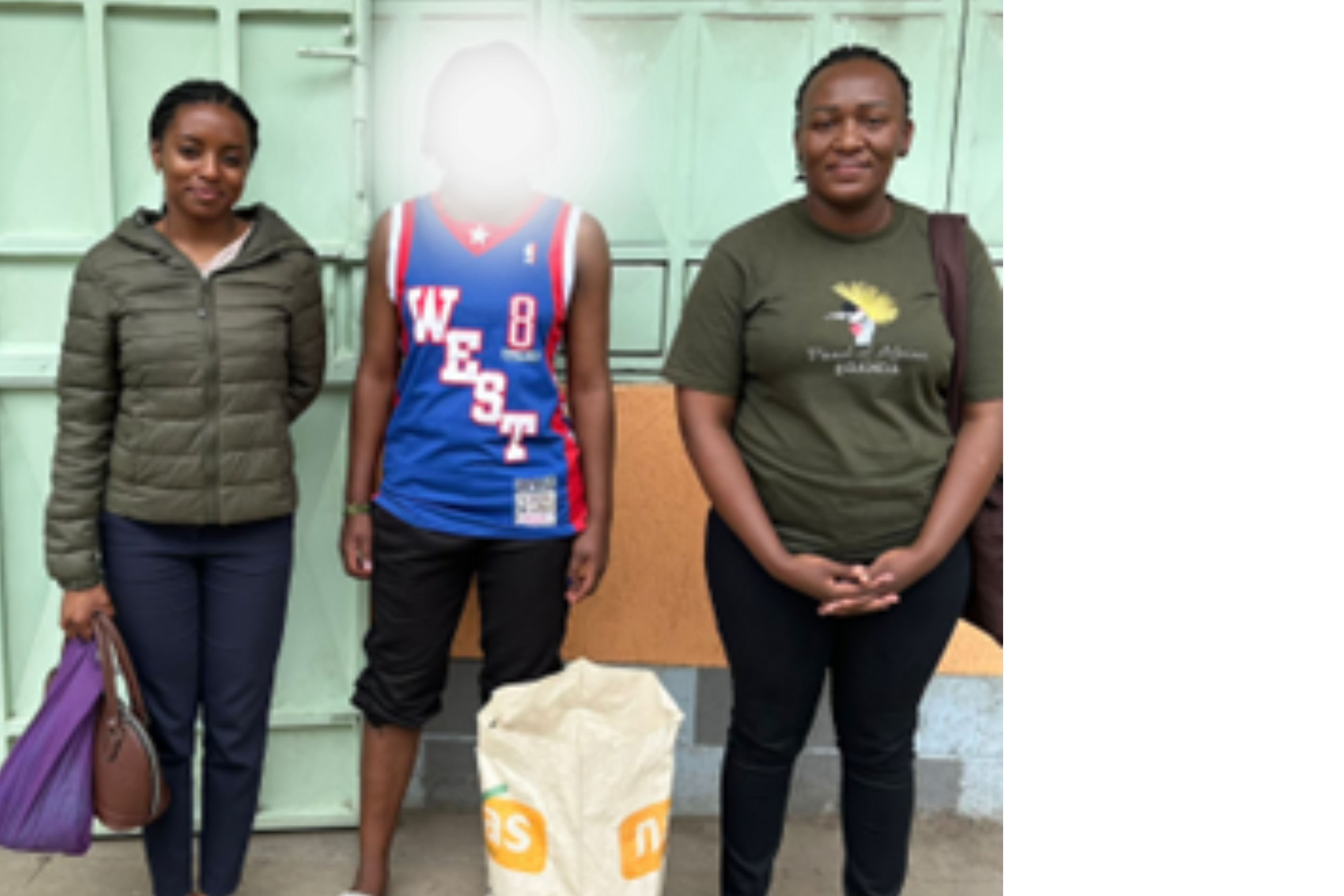
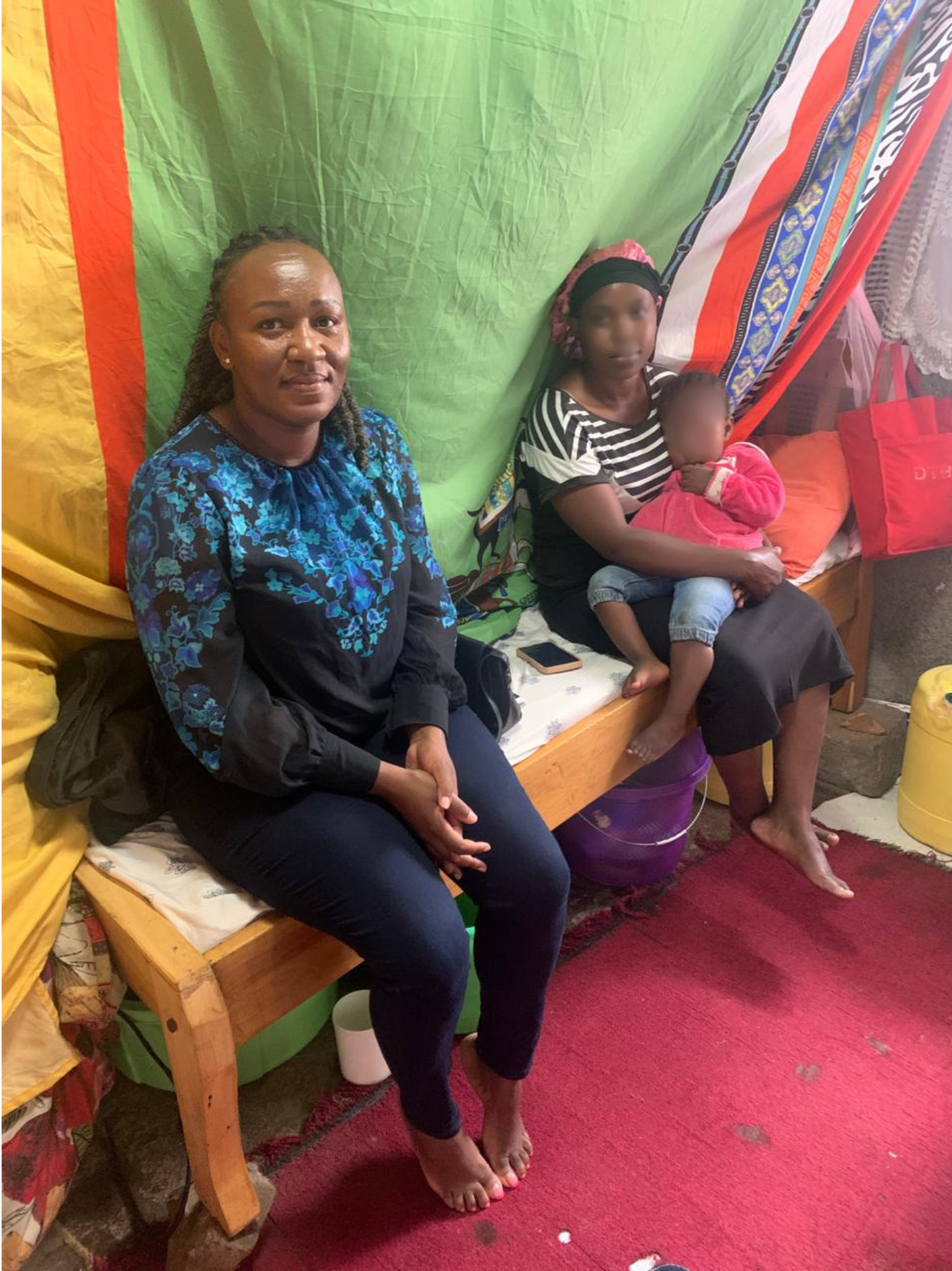
During a recent welfare visit, the Justice Nest social workers who met her were struck by her demeanour. She appeared calm, even hopeful, an almost improbable state for a woman who had lost so much. Yet beneath that calm, she admitted that adjustment has been brutal. The world outside prison does not pause for those who have been away. It moves on, indifferent. Re-entering society after incarceration is like stepping onto a moving train, you have to run just to keep from falling.
But Teresia is running.
In the midst of her struggle, she has secured a new teaching position at a private school in a nearby neighbourhood. She is expected to begin in July 2026. The news arrived like rain after drought. Her voice, when she shared it, carried a tremor not of fear, but of gratitude. She has a path forward. A way to earn. A reason to wake up each morning with purpose.
Her immediate priority is clear: as soon as she starts earning a salary, her children will return to school. She speaks of this with the fierce clarity of a mother who has watched her children wait too long. Their education, she insists, is non-negotiable. It is the one inheritance she can give them, the one thing no neighbour, no policeman, no prison guard can take away.
Throughout the conversation with the social workers, Teresia refused to dwell on bitterness. She acknowledged that her time in custody was harrowing, but she did not allow it to define her. Instead, she spoke of the future with a quiet determination that felt almost revolutionary. She is focused on stability, on rebuilding, on creating a home where her children can thrive again. Her resilience is not loud or theatrical. It is the steady, unglamorous resilience of a woman who has been knocked down and chooses, every single day, to stand back up. She has done everything right since her release: she has relocated to a safer environment, found new work, and maintained a positive outlook despite the odds. The social workers who assessed her progress noted that she is emotionally stable, motivated, and fully committed to her children’s wellbeing.
Teresia’s story is not just her own. It is the story of countless women who find themselves ensnared in a justice system that punishes poverty as harshly as it punishes crime. It is the story of mothers who lose everything because they cannot afford to buy their way out of a neighbour’s grudge. It is the story of resilience in the face of institutional indifference.
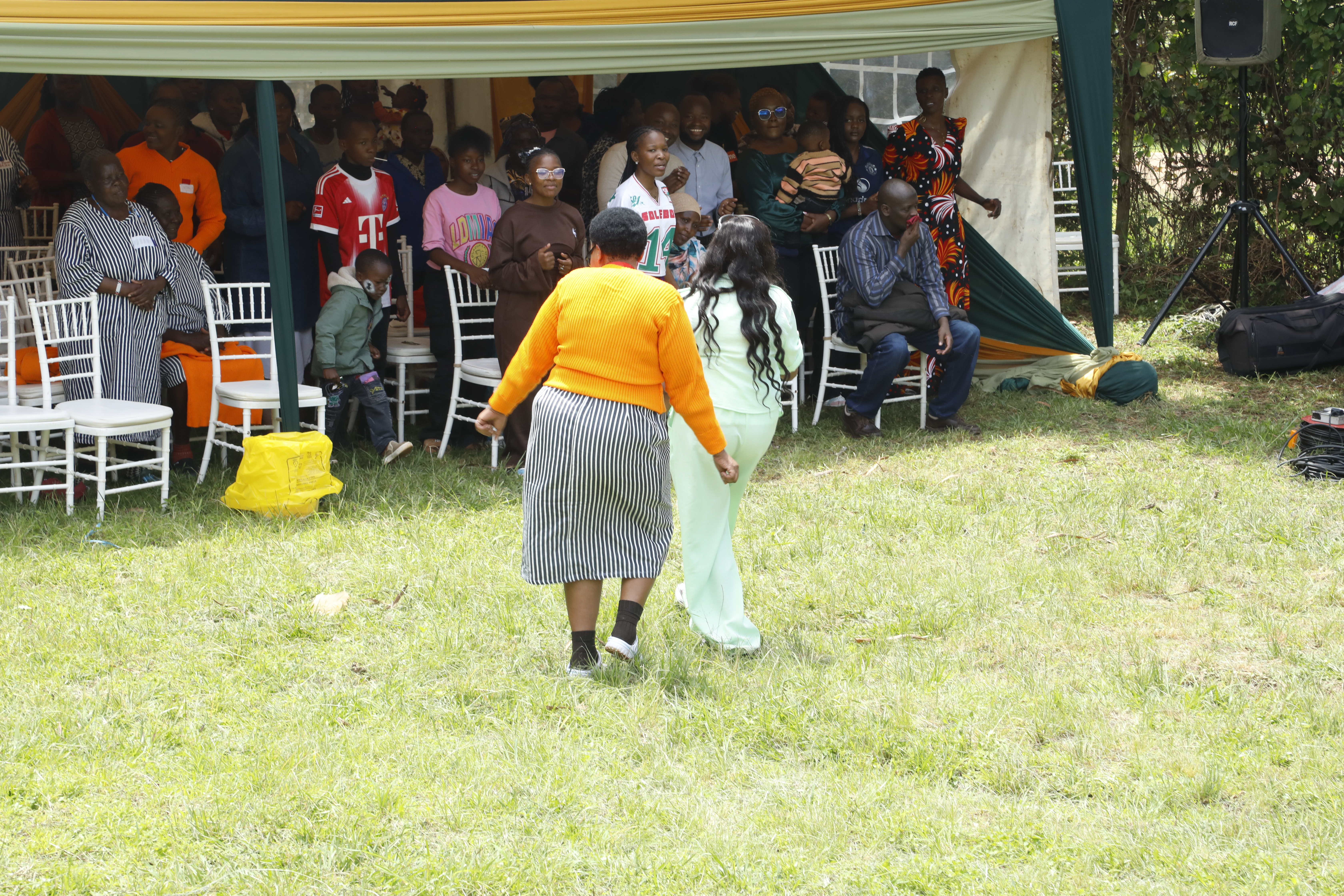
During the International Day of Families we were reminded that to a child an imprisoned mother is still a mom.
Janett Muasa - Justice Nest Social Worker




.jpeg)

.jpeg)