Stories
April, 2026
She Was Still a Mother: A Story of Justice, Healing, and Second Chances
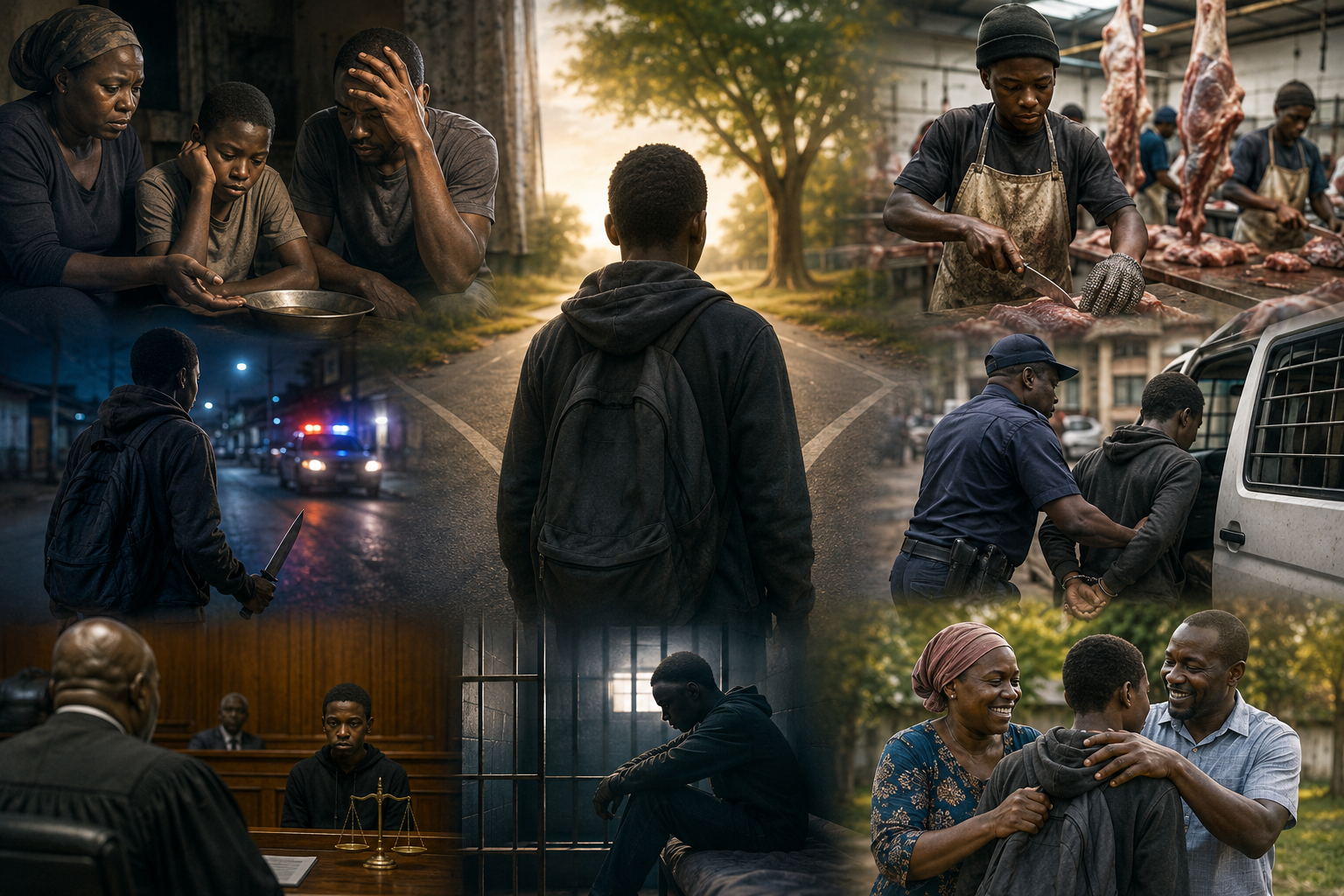
Emmaculate journey into the criminal justice system did not begin with crime, it began with pain.
A mother of two, she had recently left an abusive relationship that left visible scars on her neck and lasting emotional trauma. Without support or a safe space to process what she had endured, she turned to alcohol as a way to cope. When she moved back into her mother’s home in Kayole, the tension was already building beneath the surface.
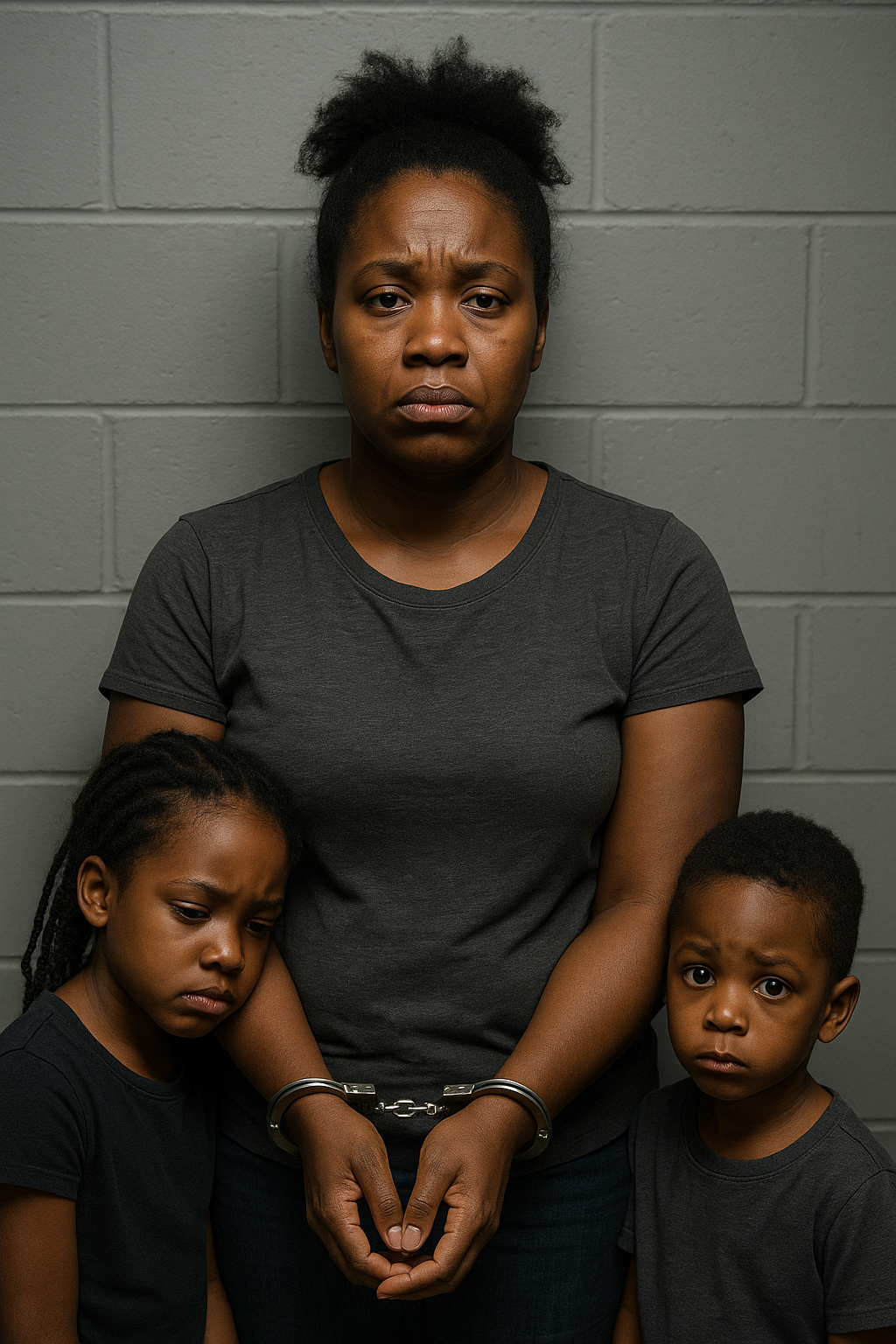
One day, a conflict escalated between her and her mother the situation quickly turned into an argument. In the heat of the moment, a threat was issued. Her mother, hurt and overwhelmed, reported the matter to the police, expecting intervention or a warning. Instead, Immaculate was arrested, charged with threatening to kill, and remanded at Lang’ata Women’s Prison after failing to raise a cash bail of Ksh 50,000.
What could have been resolved within a family became a case file in an already overburdened justice system.
For over six months, Emmaculate remained in custody. Her case moved through Makadara Law Courts, where delays are common and cases often take months to resolve. During this time, she was separated from her children, unable to follow up on other legal matters, and left to navigate the weight of her circumstances from behind bars.
Yet even in prison, she remained a mother.
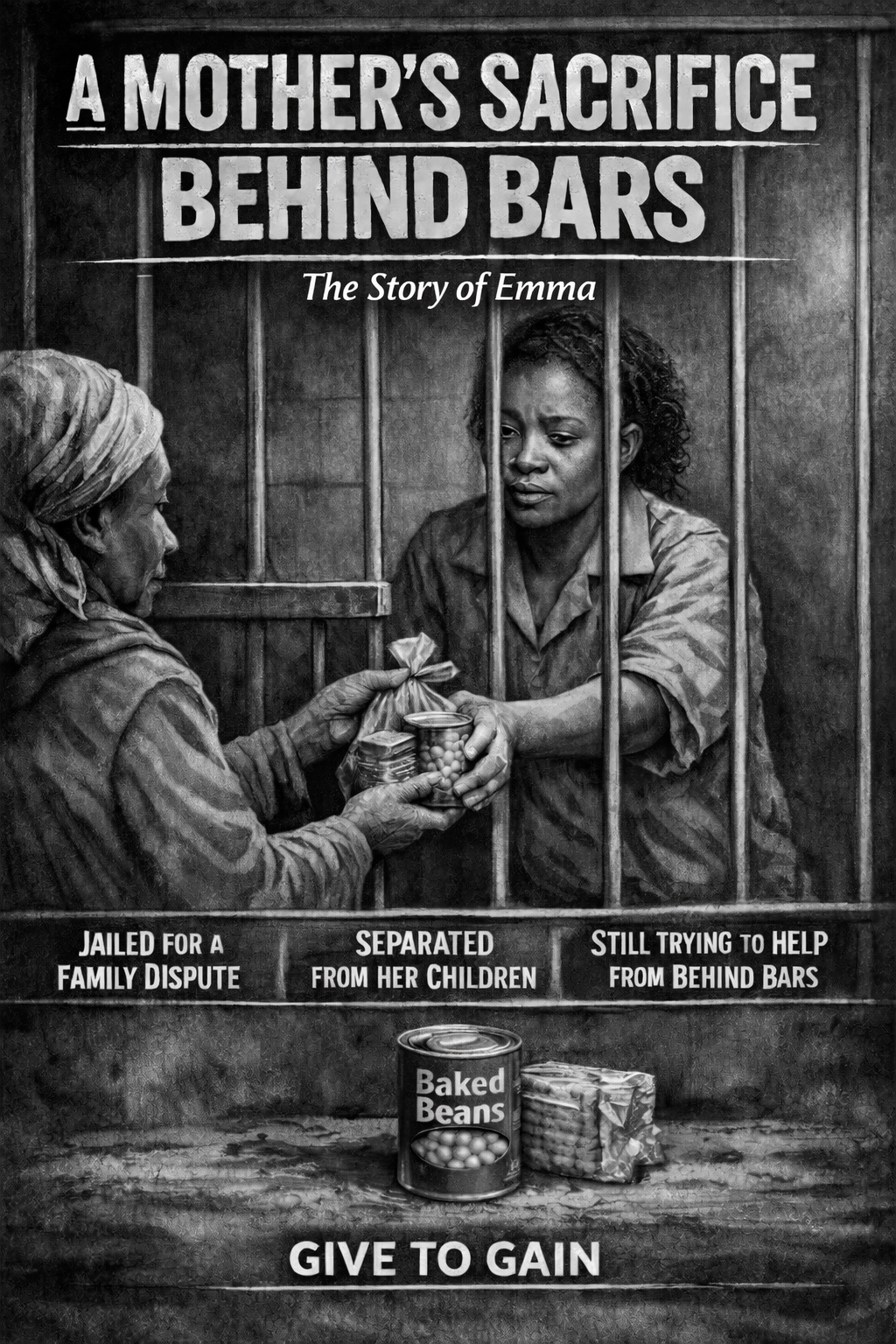
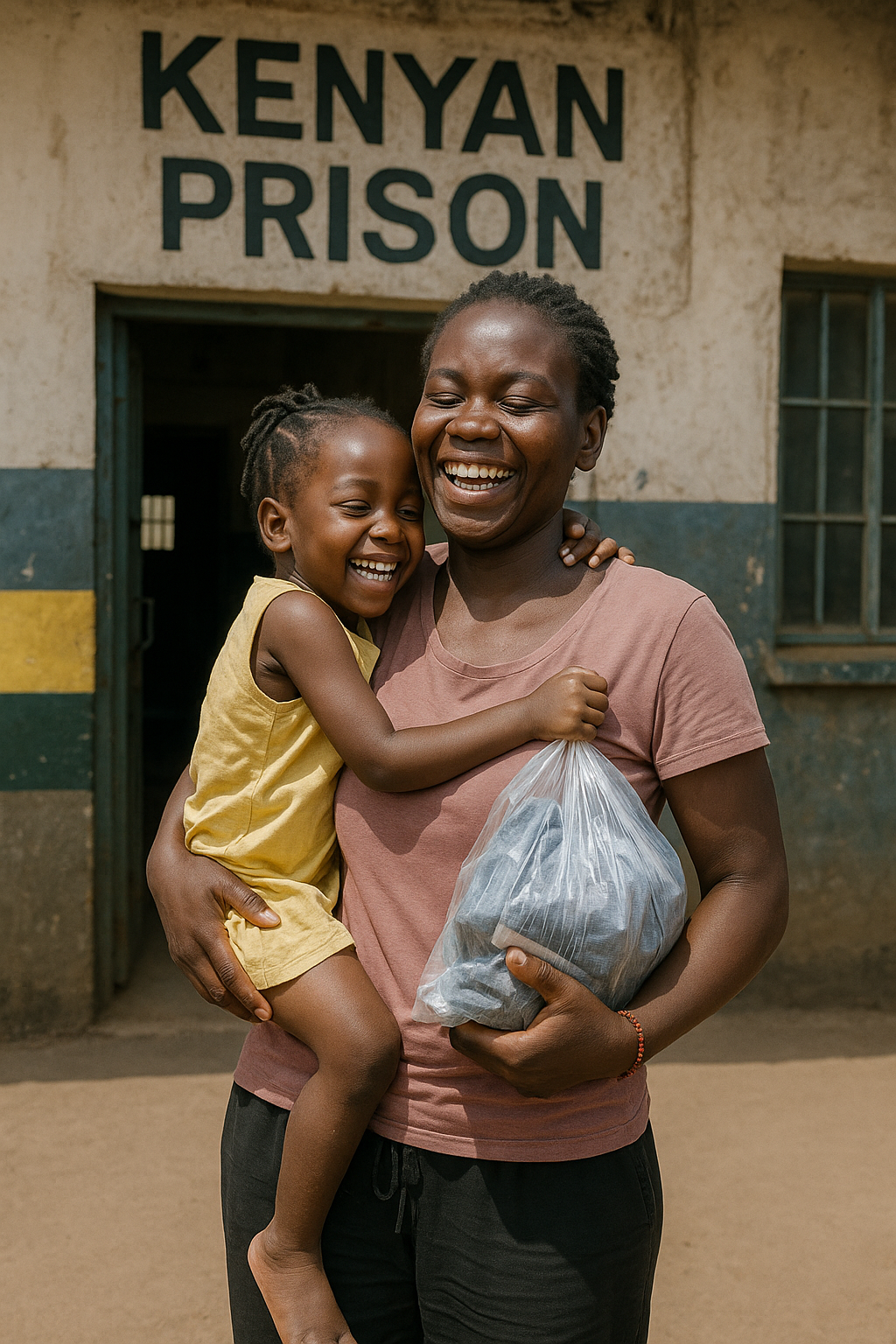
During one court appearance, she quietly handed her own prison food, a small packet of baked beans and biscuits, to her mother for her children. It was the only meal she had for the day. In that moment, her role as a provider did not disappear with incarceration.
When Justice Nest encountered Emmaculate during a routine prison visit, her case was approached differently. She was not just seen as an accused person, but as someone in need of support, understanding, and a path forward.
Justice Nest onboarded her into the Mothers Restorative Justice Program and immediately began both legal and social interventions. Our Justice Nest legal aid advocate successfully applied for a bail review, reducing it to Ksh 10,000. While her family still could not afford it, this marked the beginning of progress.
At the same time, Justice Nest’s social support team engaged both Emmaculate and her mother in dialogue. These conversations uncovered the deeper issues beneath the conflict; trauma, alcohol dependency, and a strained relationship that had broken down over time. Through consistent engagement, her mother began to see that what had happened was not simply wrongdoing, but a reflection of deeper struggles that required support rather than punishment. With this shift in understanding, her mother agreed to withdraw the case.
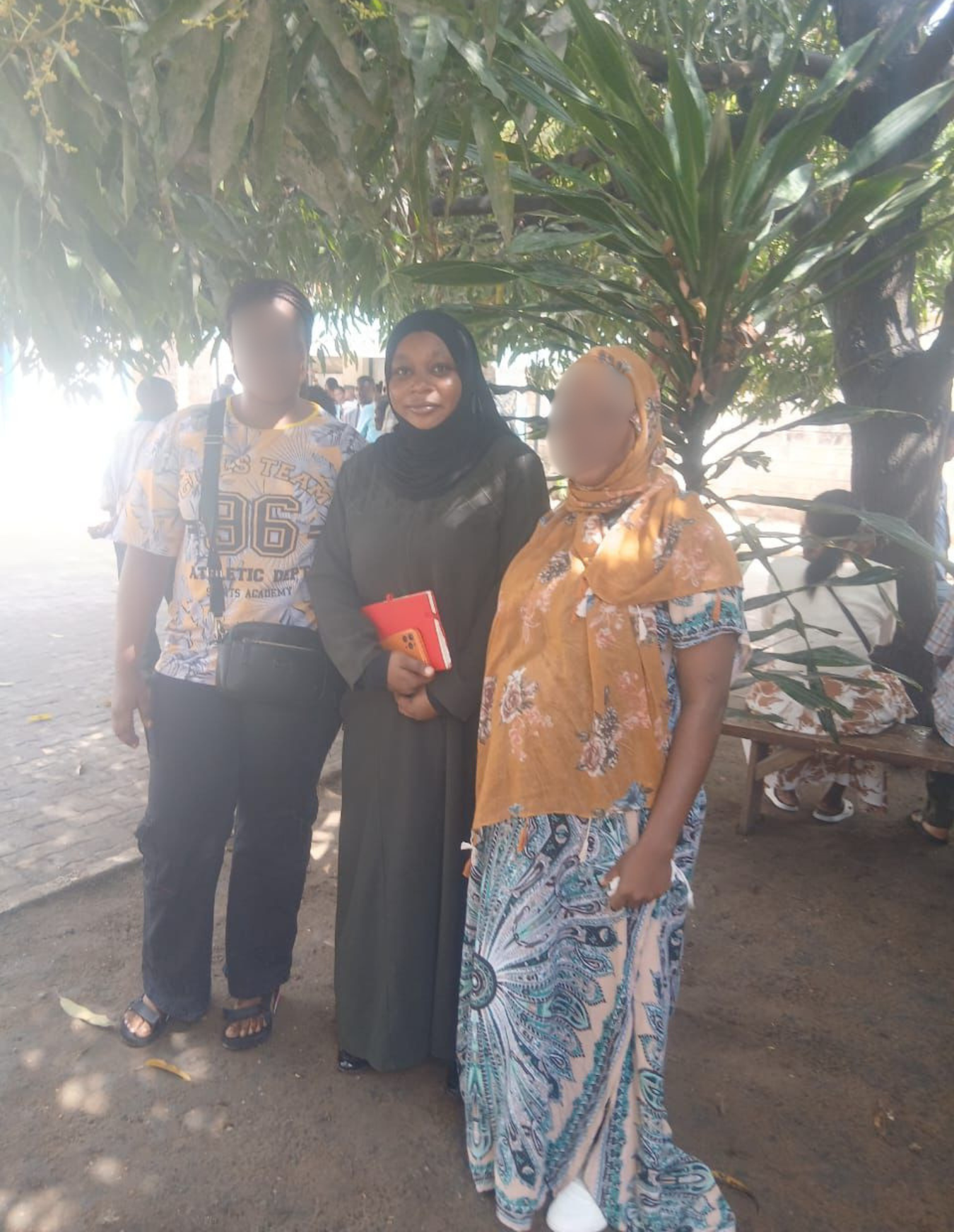
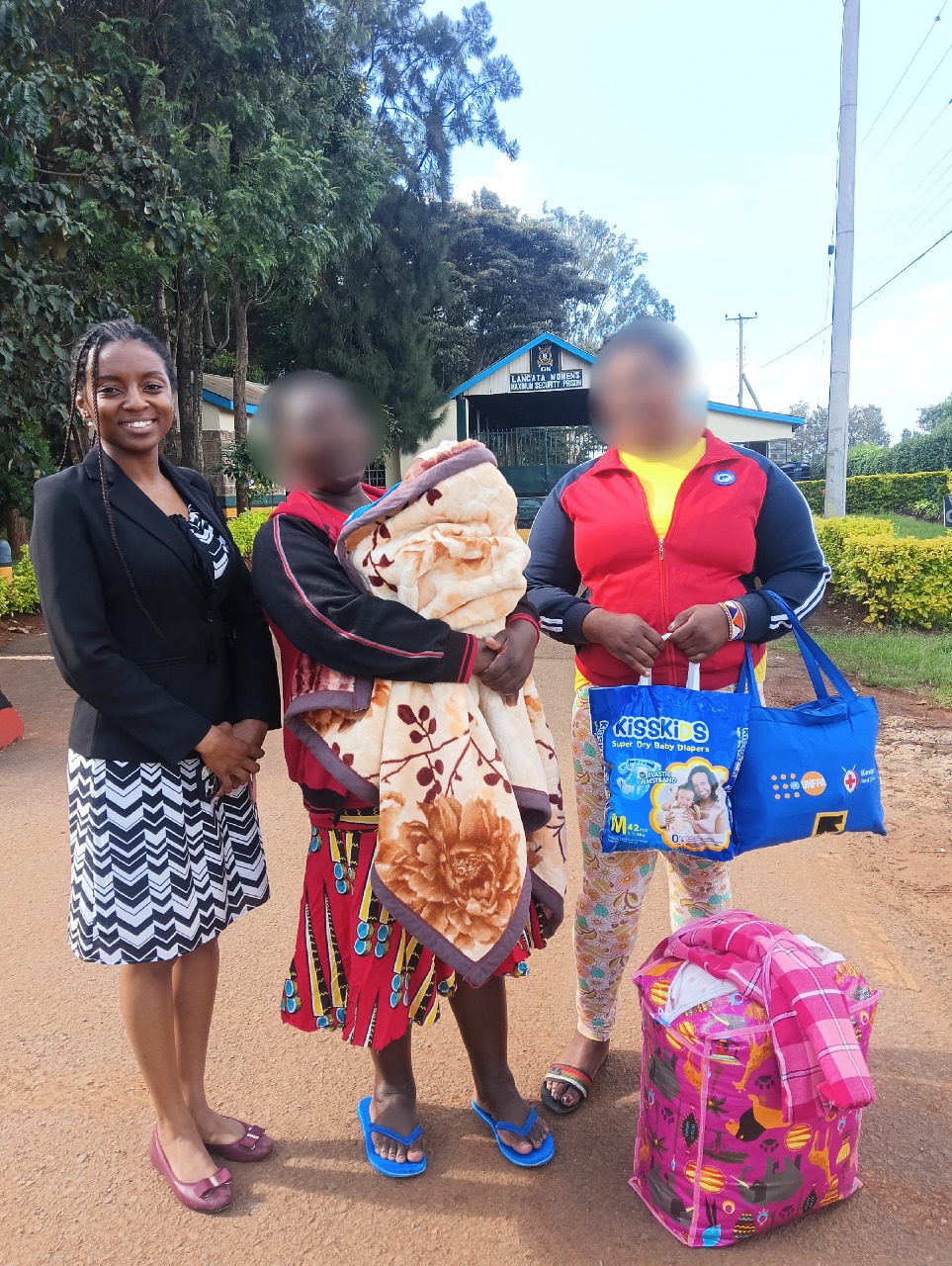
Even then, the process was far from simple. The withdrawal was delayed due to challenges in verifying her mother’s identity, as she did not have official documentation, and the repeated absence of the Investigating Officer required to support the process in court. Despite these setbacks, Justice Nest continued to follow up, attend court sessions, and push the matter forward. After months of persistence, the case was finally withdrawn on 25th February 2026, and Emmaculate was released.
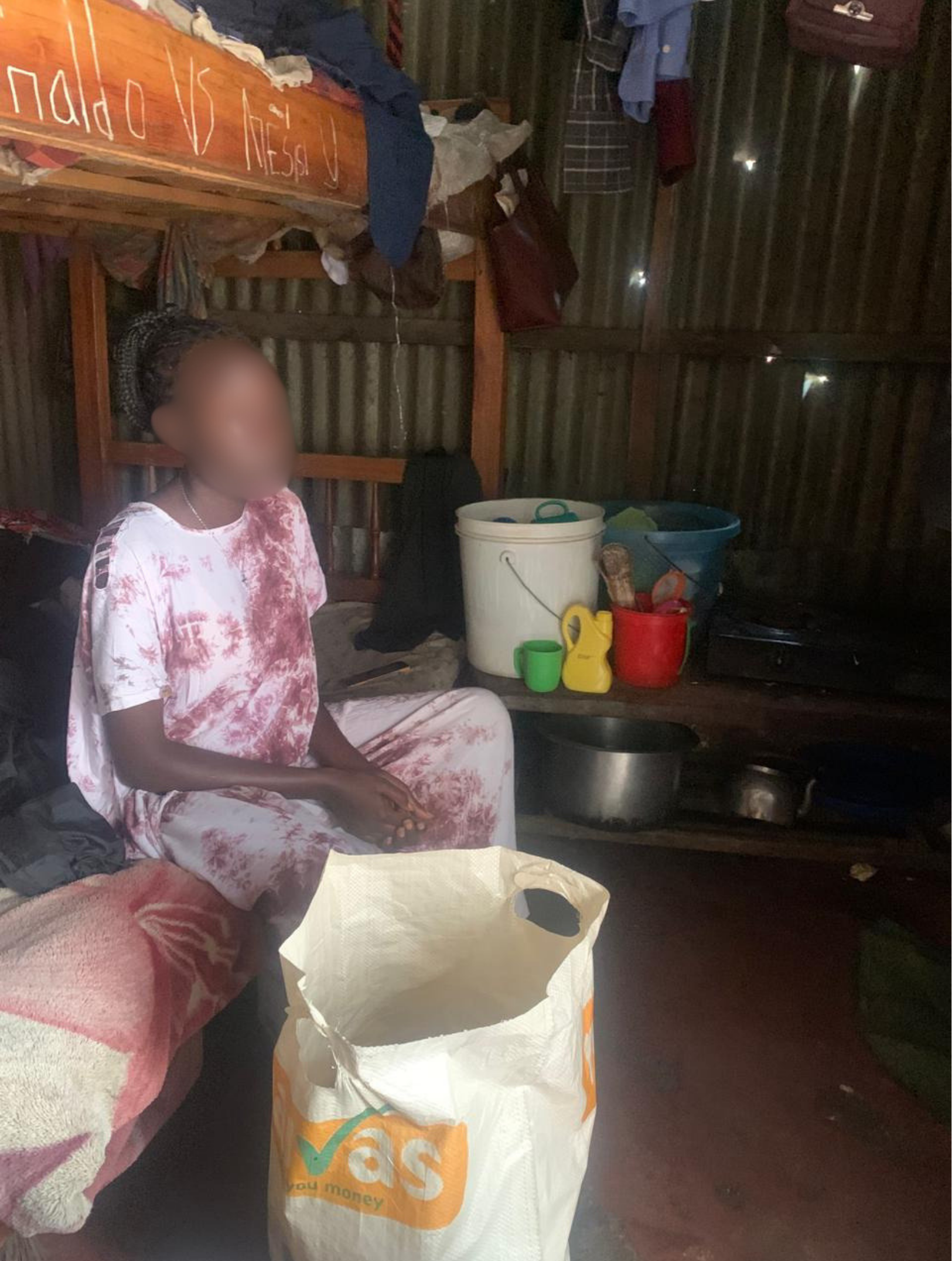
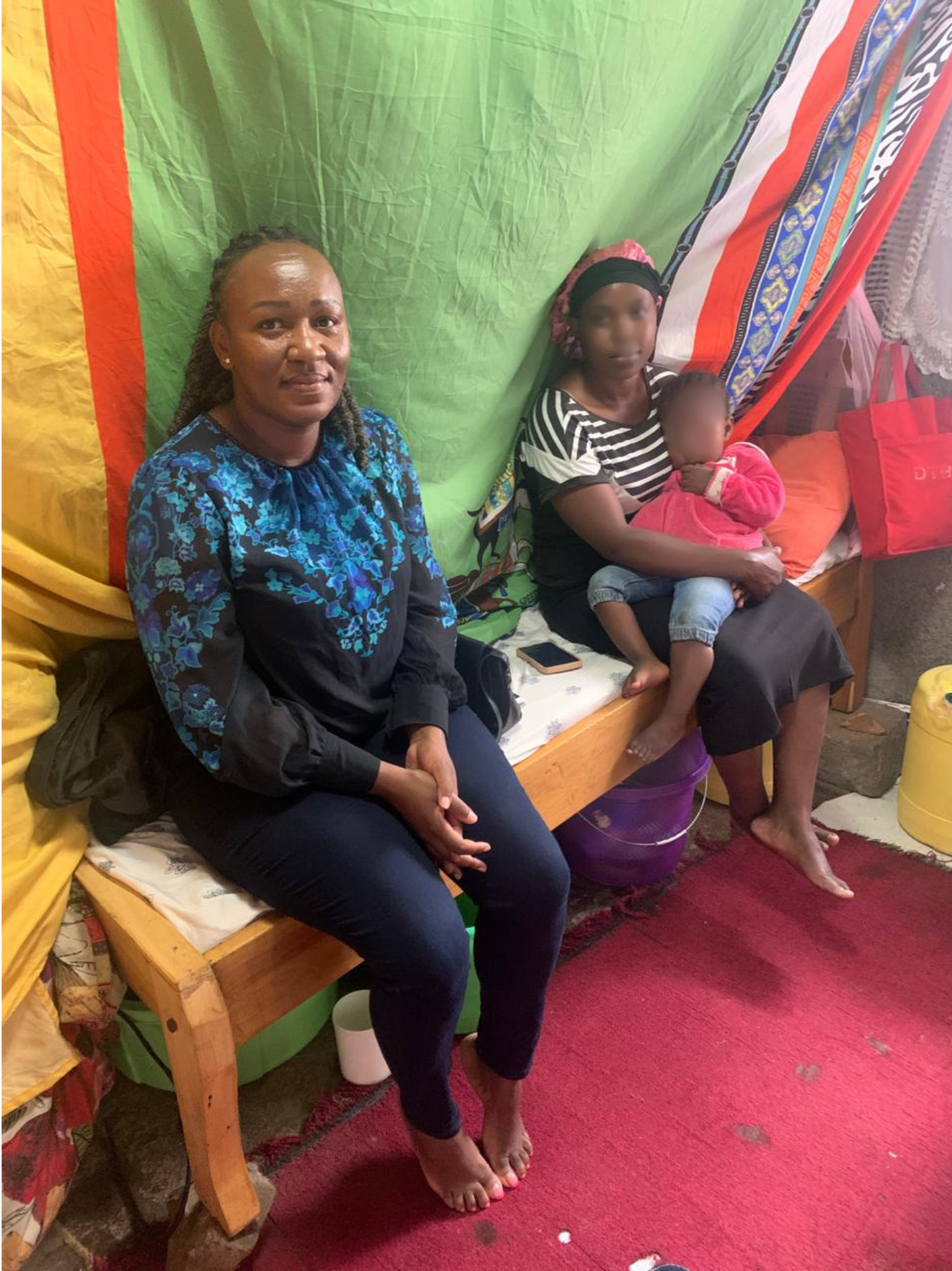
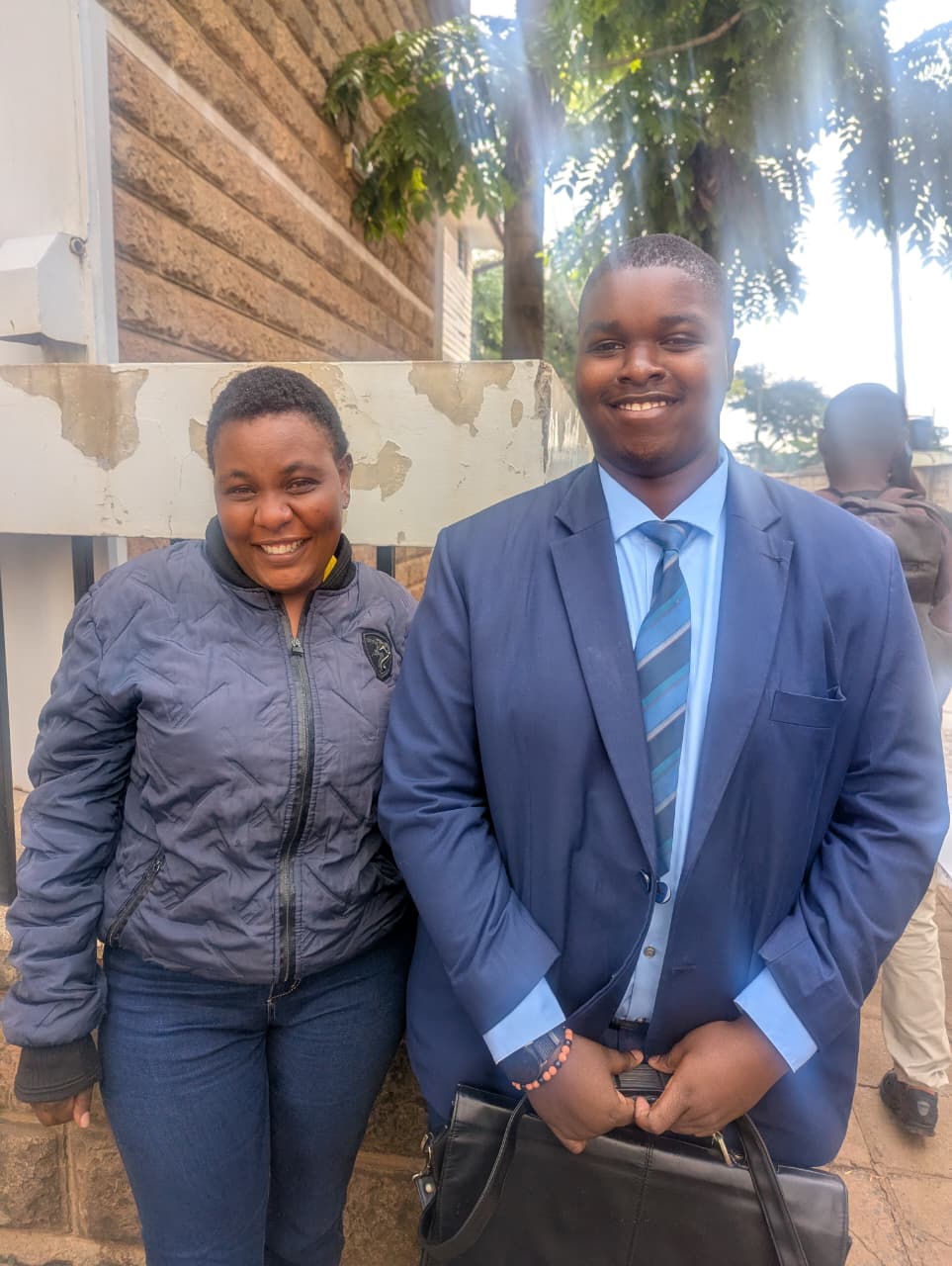
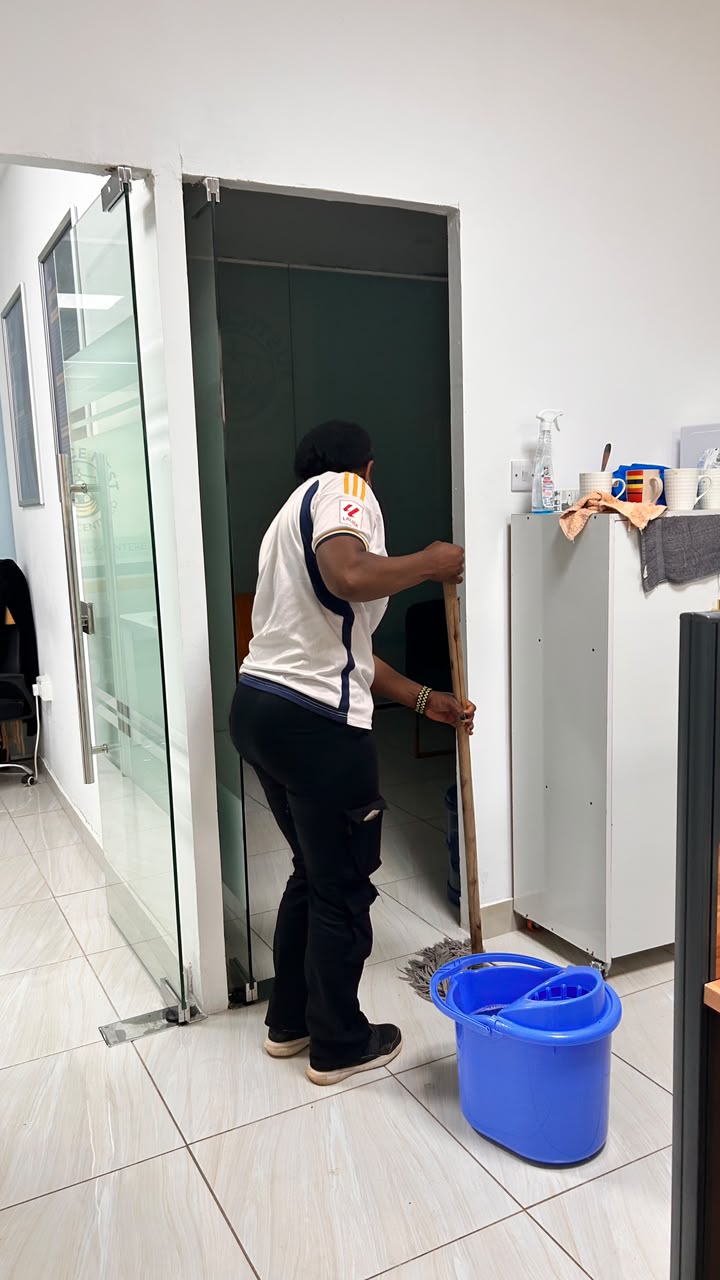
When Justice Nest conducted a follow-up visit in April, the transformation was evident. Emmaculate had secured employment as a house manager within Nairobi, Kenya. She had stopped drinking alcohol and spoke with clarity and intention about her future. She had also made the decision to live separately from her mother to avoid further conflict and to create space for both of them to heal.
Her voice, once affected by the violence she had endured, had improved. Her outlook on life had changed. She spoke openly about her desire to rebuild and her dream of working in a salon, using her skills in hairdressing and beauty to create a stable future for herself and her children. Emmaculate’s story shows that justice is not only about punishment. When approached with understanding, accountability, and support, it becomes an opportunity for restoration.
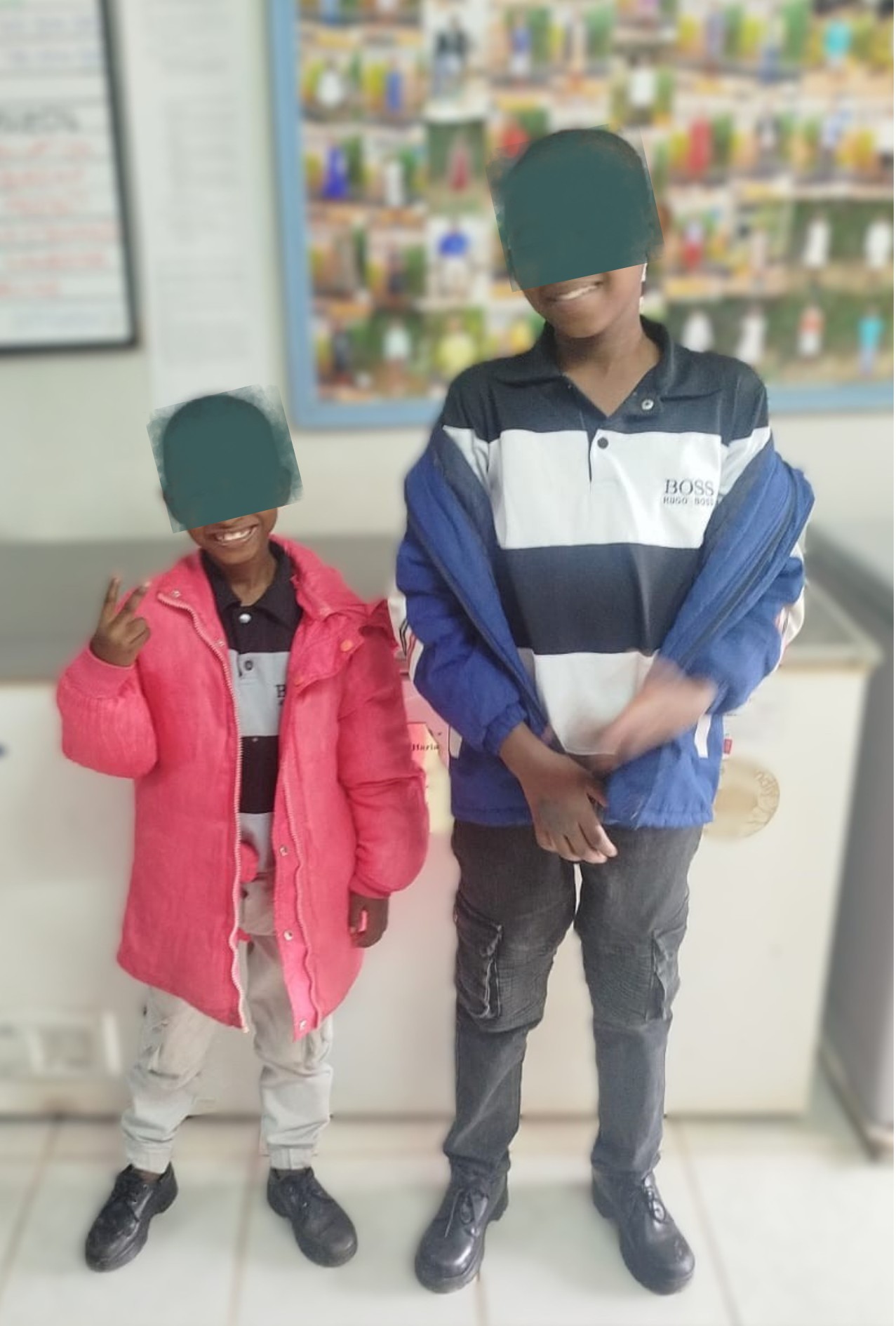
Through restorative justice, a family was able to reconcile, a prolonged case was resolved, and a woman was given the chance to rebuild her life with dignity. She was never just an inmate. To her children, she is still mom.


.jpeg)

.jpeg)