Blog
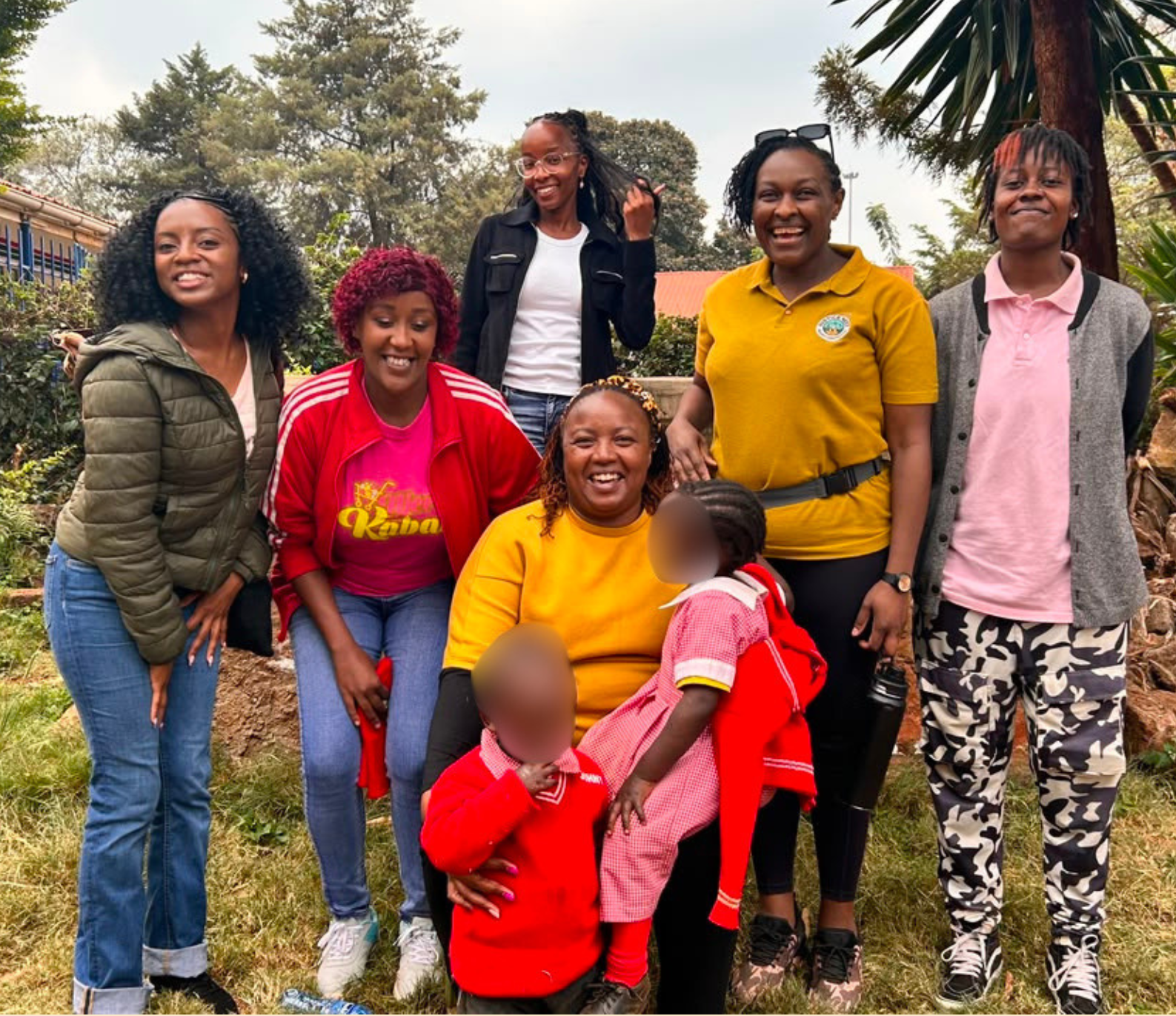
Walking Alongside Women and Families: Inside the Work of Justice Nest's Social Department
Behind every prison sentence is often a family trying to find its footing again. A child waiting for their mother to come home. A woman wondering whether anyone will still believe in her after release. At Justice Nest, the Social Department exists to ensure that incarceration does not become the end of someone's story.
Our work begins long before a client walks out of prison and continues long after they return to the community. We believe that true justice is not only about legal representation it is also about restoring dignity, strengthening families, protecting children, and giving women an opportunity to rebuild their lives.
What We Do
The Social Department works closely with incarcerated and formerly incarcerated women, their children, families, government agencies, and community partners to provide holistic support throughout the reintegration journey.
Our work includes:
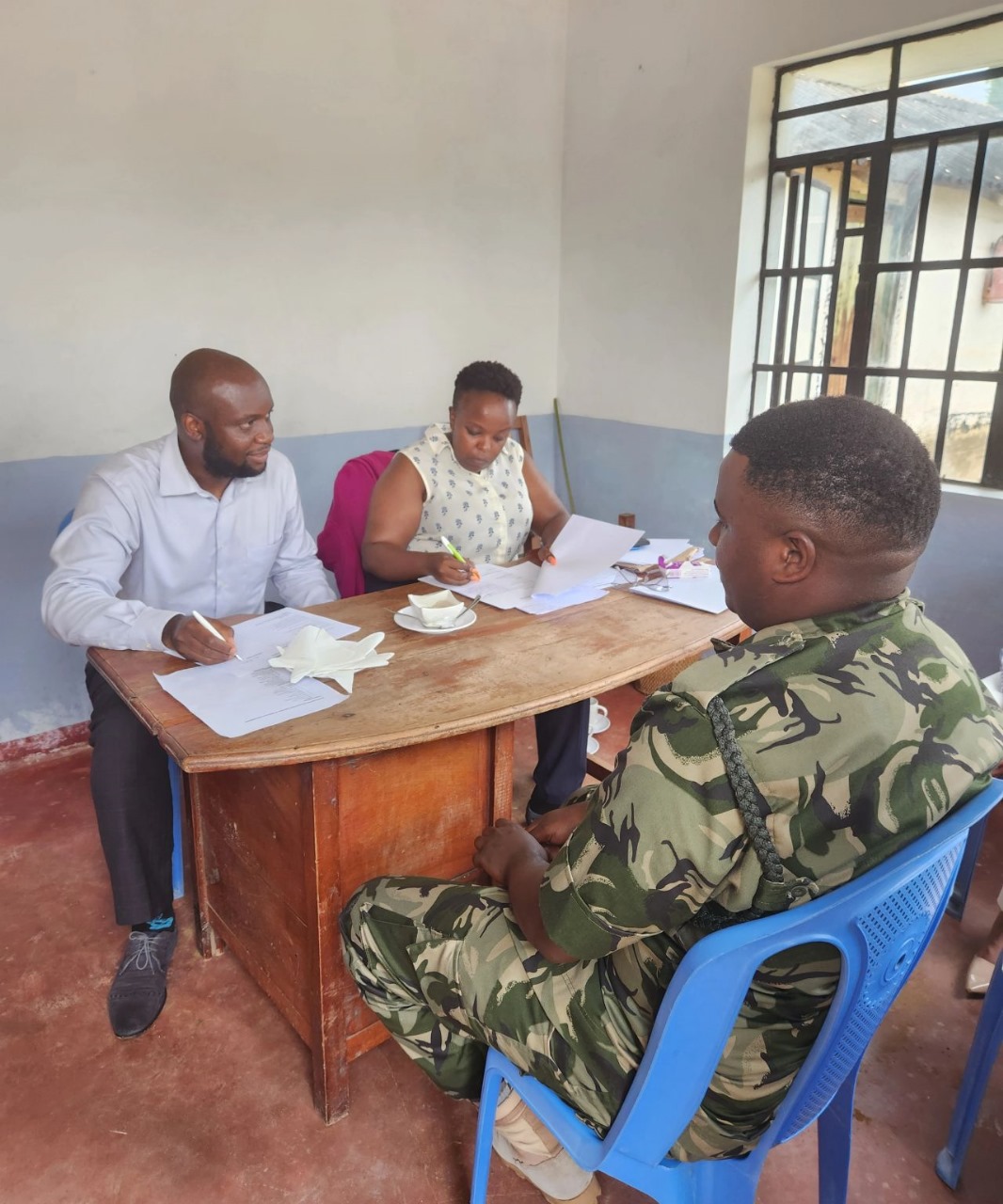
- Conducting psychosocial assessments and identifying individual client needs.
- Providing emotional support and counselling during incarceration and after release.
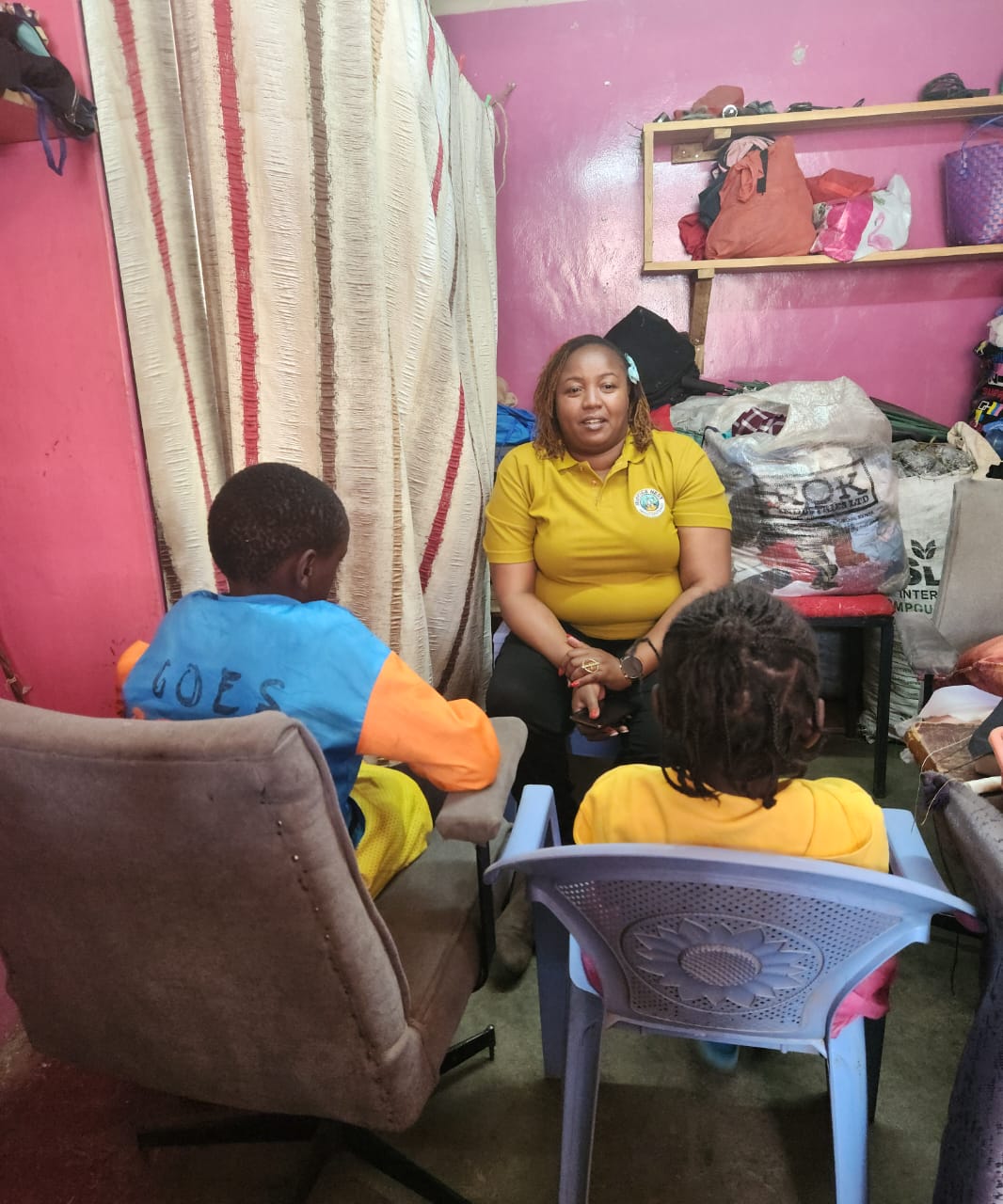
- Carrying out routine home visits to assess living conditions, family relationships, and reintegration progress.
- Identifying and responding to safeguarding concerns affecting women and children.
- Linking clients to healthcare, psychosocial support, legal aid, education, GBV services, shelter, and economic empowerment opportunities.
- Supporting children of incarcerated mothers by ensuring they are safe, in school, and connected to appropriate care.
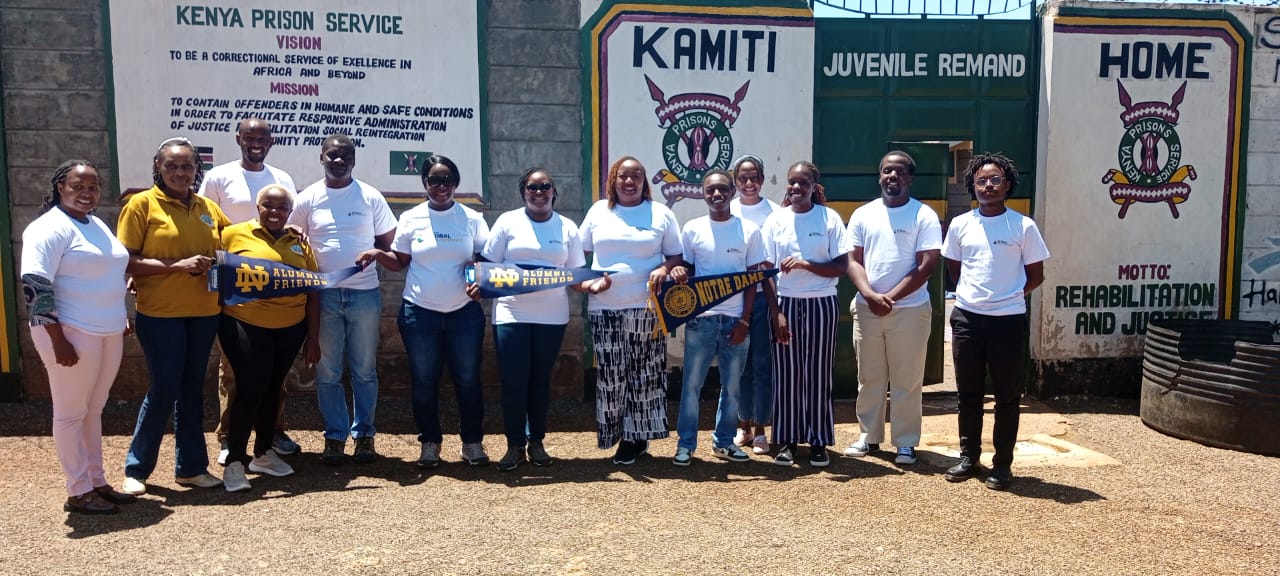
- Building partnerships with organizations that complement Justice Nest's work and strengthen referral pathways.
- Monitoring progress until clients are stable enough for successful case closure.
Every case is unique, this means every intervention is tailored to the client's circumstances.
How We Work
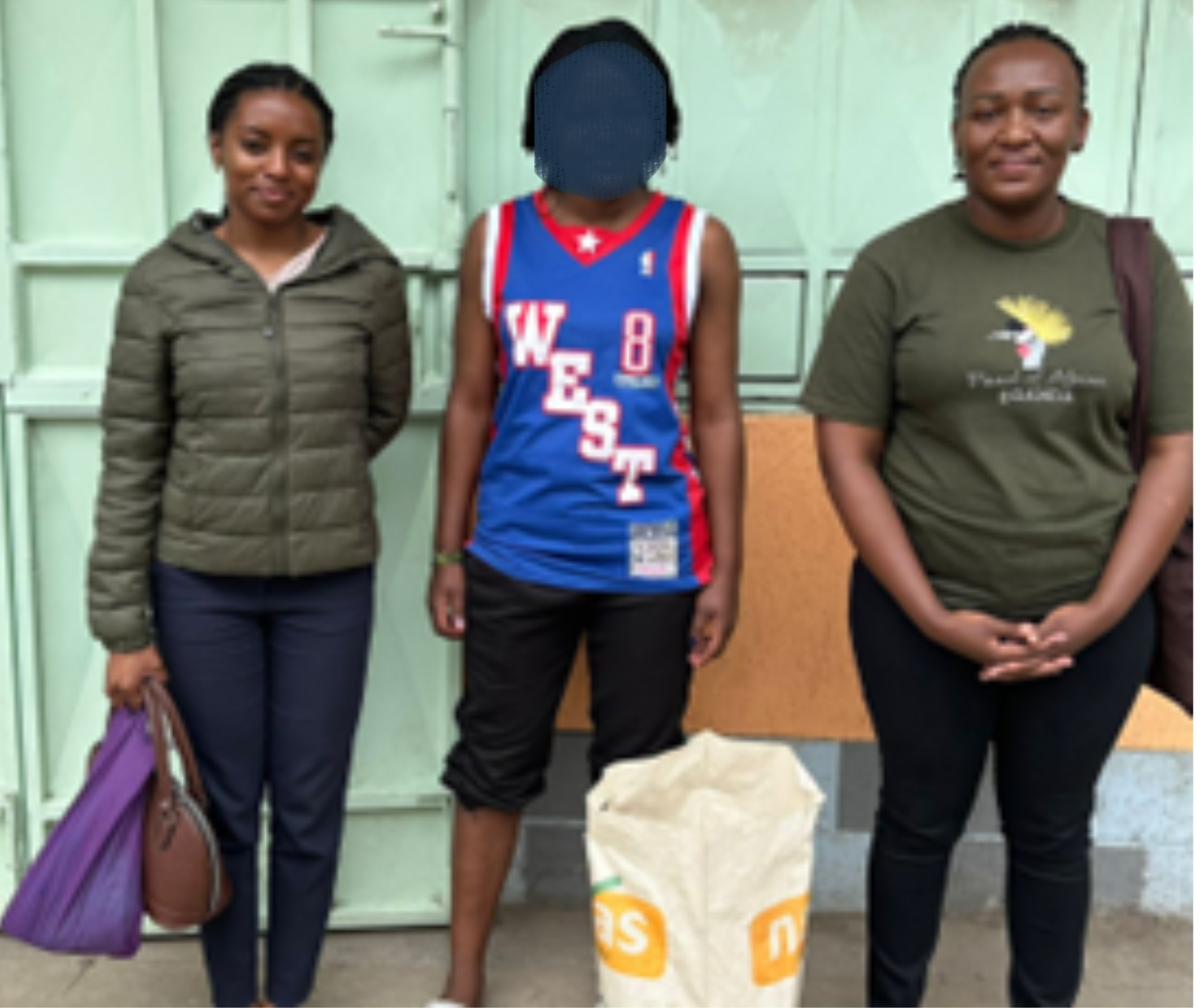
Our work follows a continuous journey rather than a one-time intervention. We begin by meeting clients in prison to understand their stories, assess their needs, and identify any immediate concerns affecting them or their children. Once a client is released, the Social Department conducts follow-up home visits to understand the realities they are returning to. These visits help us assess housing, family relationships, children's wellbeing, income, emotional recovery, and any barriers that may affect successful reintegration.
Where additional support is needed, we work closely with hospitals, children's offices, GBV service providers, schools, churches, community leaders, and other partner organizations to ensure clients receive the services they need. Throughout this process, we continue monitoring each case, celebrating progress while responding to emerging challenges until the client is able to live independently and safely.
A Day in the Life of the Social Department
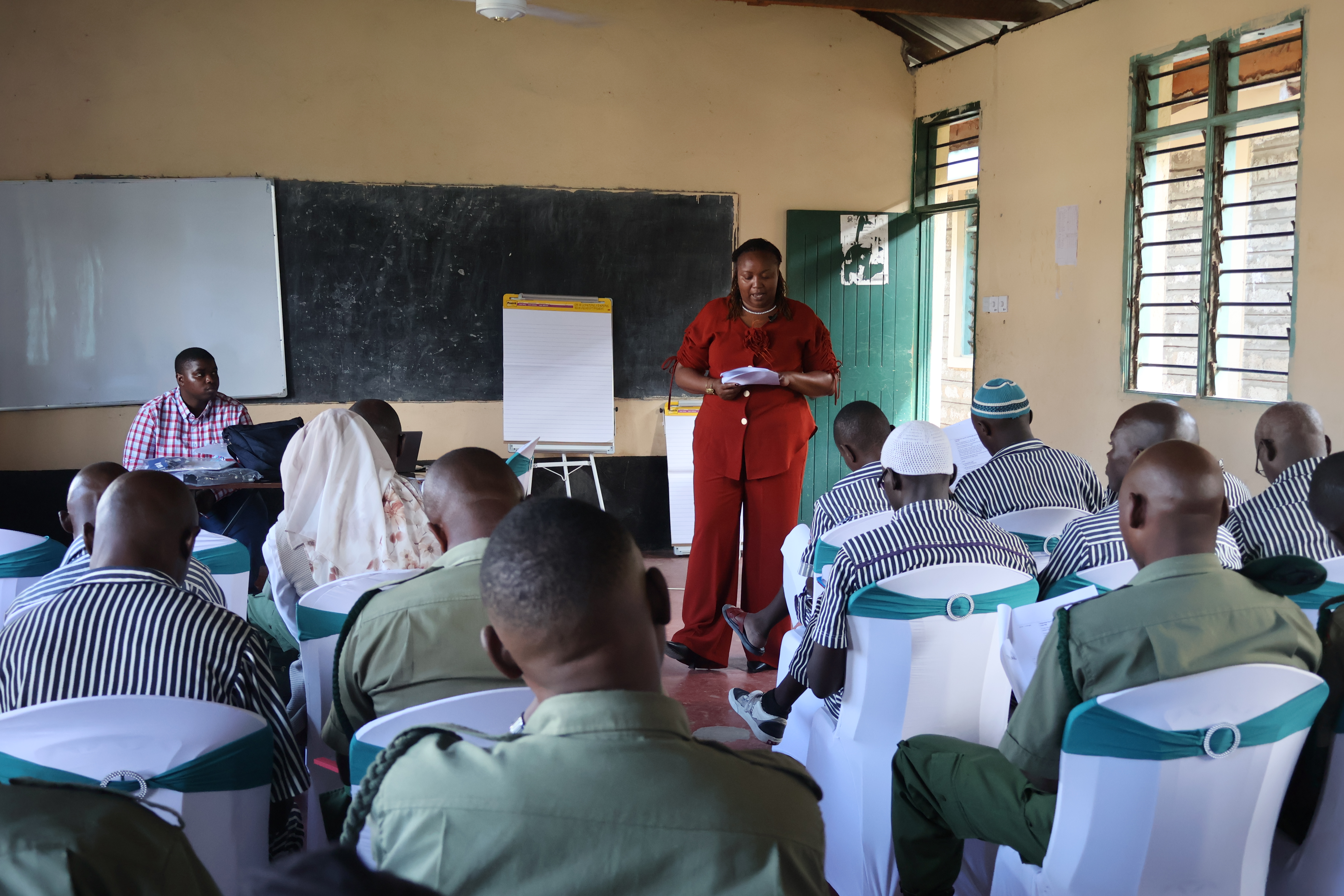
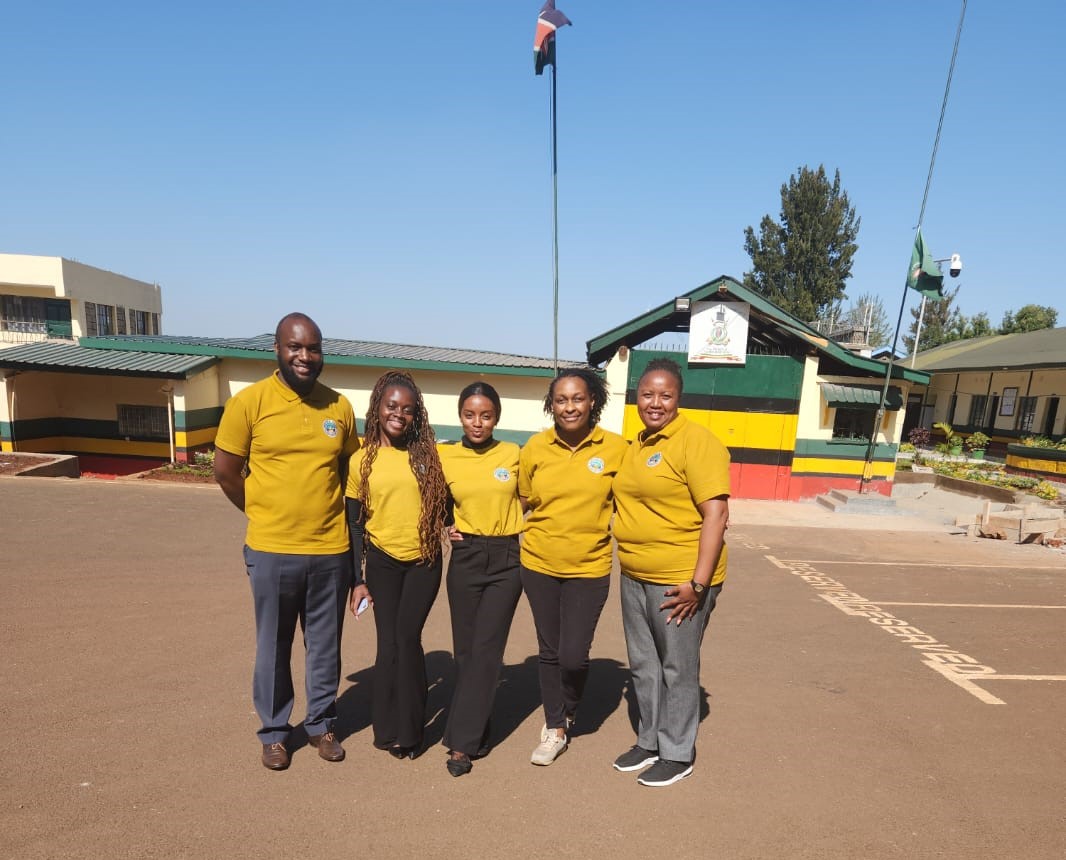
No two days are ever the same. One morning may begin inside a prison conducting psychosocial assessments and listening to women share deeply personal experiences. Another may involve travelling across different counties to visit families, assess children's welfare, or deliver welfare support. On some days, we are coordinating school placements for children, facilitating referrals for survivors of gender-based violence, linking clients to healthcare, or helping a mother begin rebuilding her life after release.
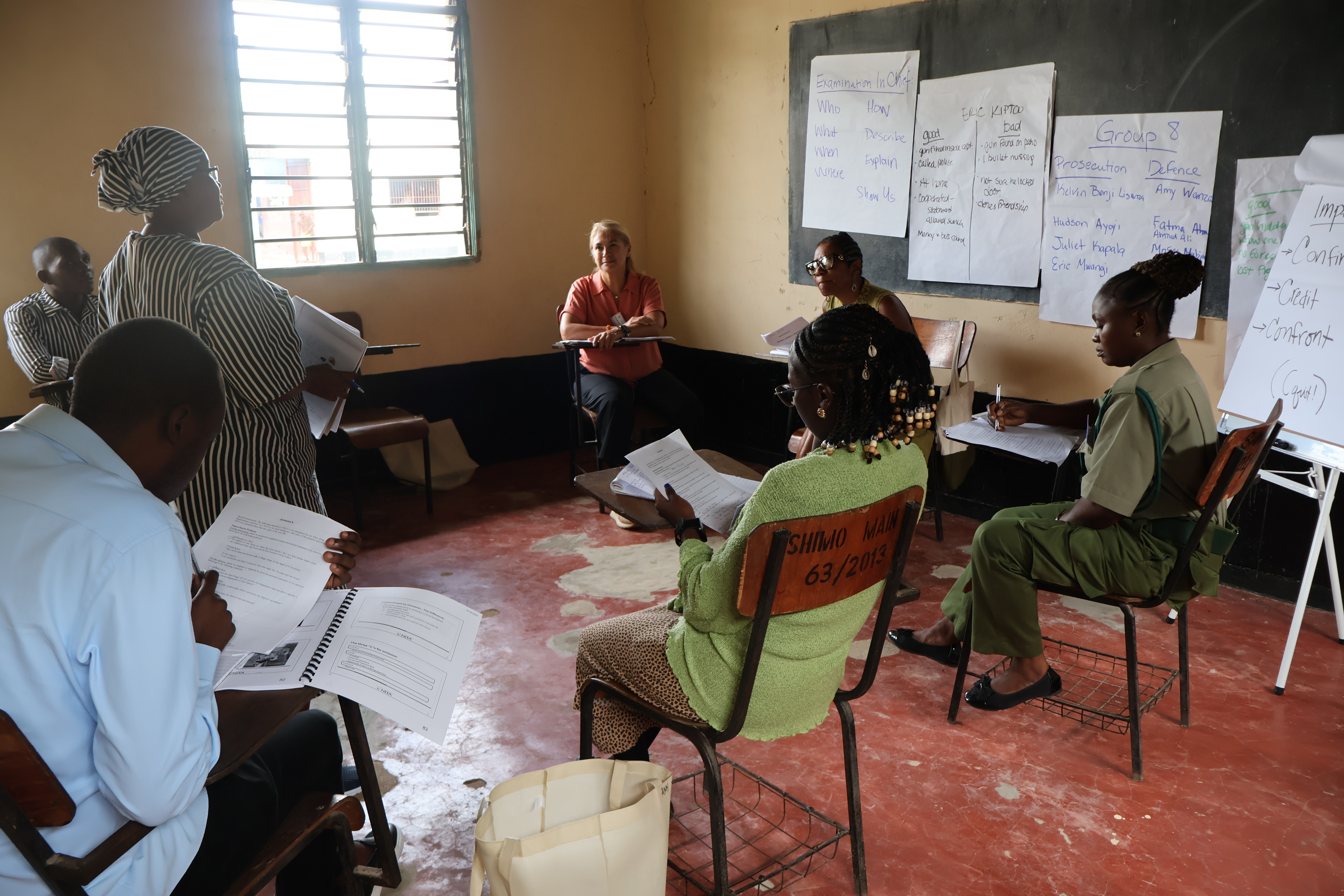
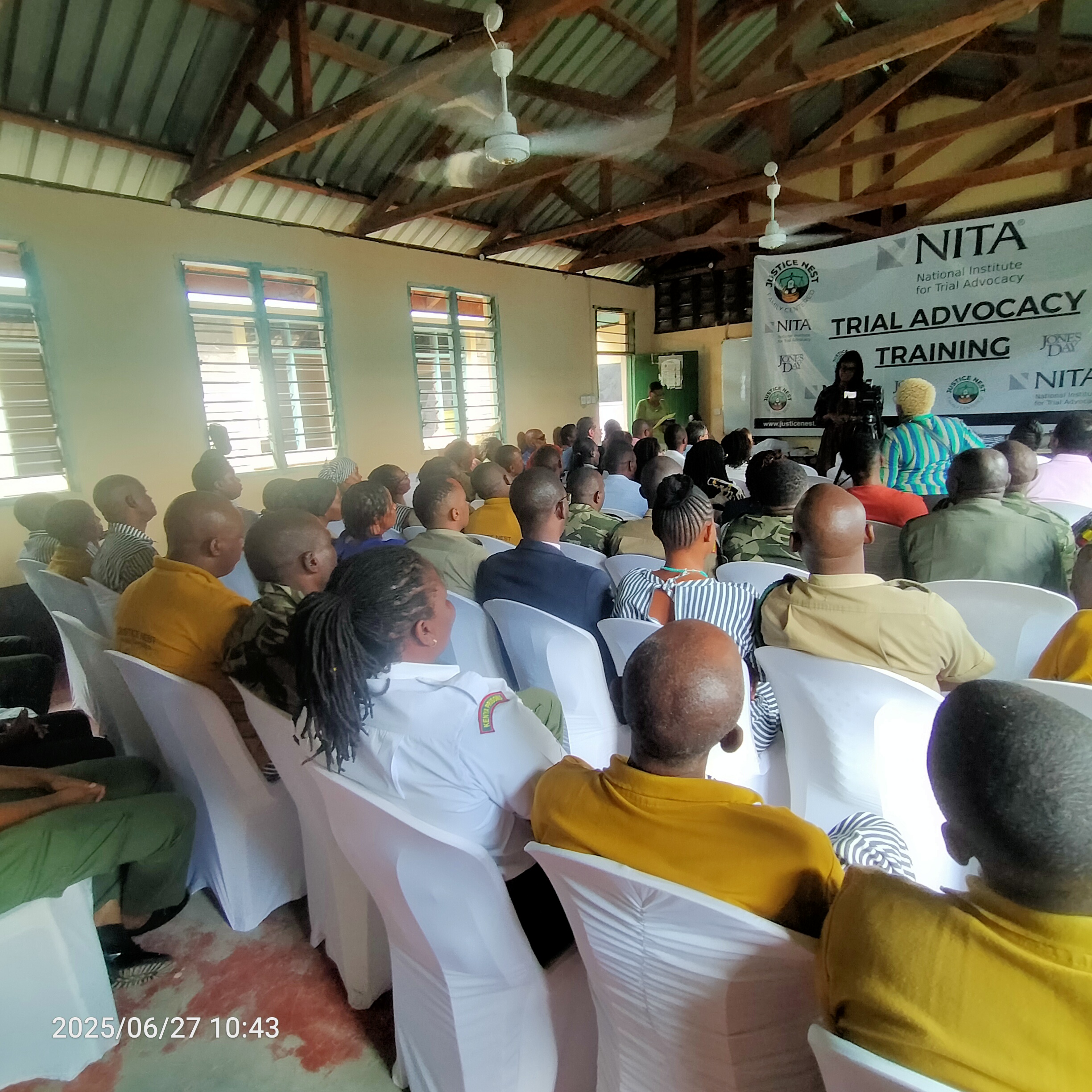
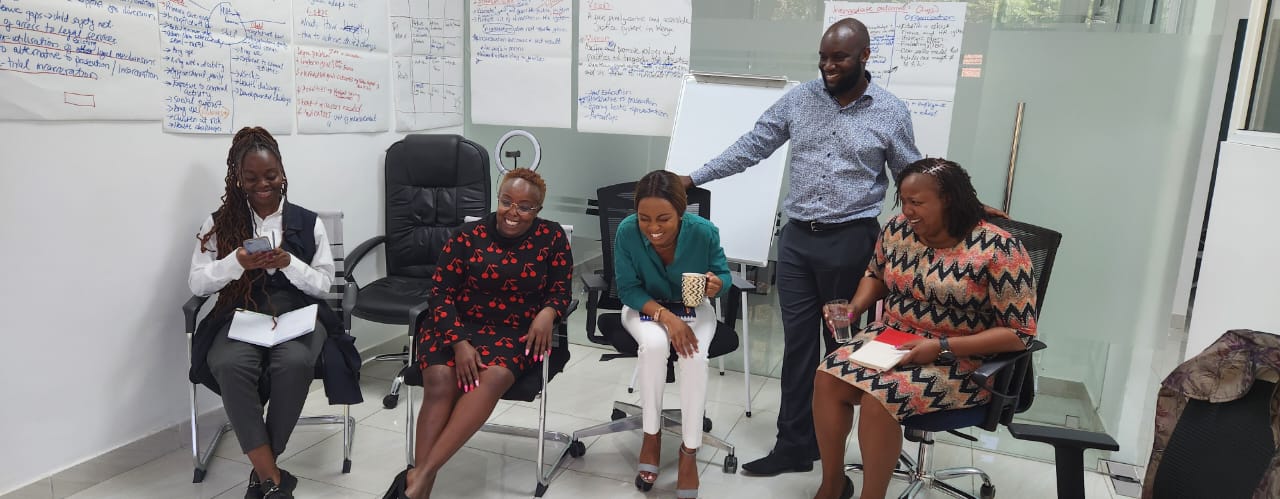
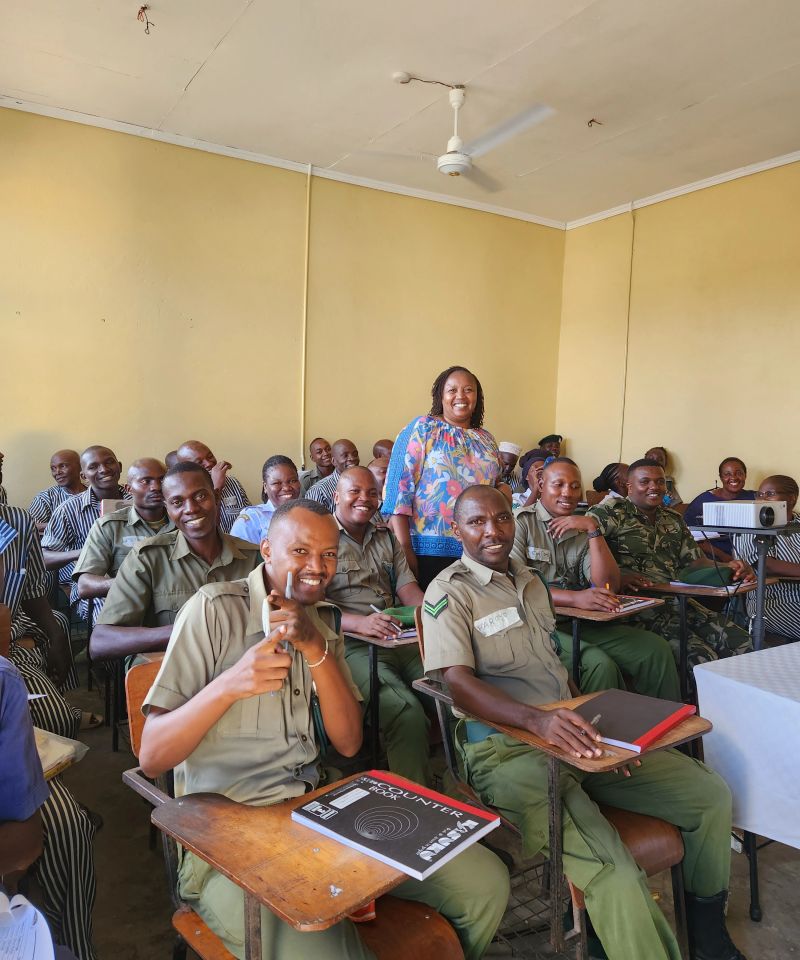
Other days involve meeting with partner organizations to strengthen referral pathways, documenting home visit findings, preparing case reports, attending trainings and multidisciplinary meetings, or advocating for the rights and protection of vulnerable women and children. Whatever the task, the goal remains the same to restore hope, strengthen families, and walk alongside our clients as they rebuild their lives.
Why This Work Matters
Reintegration does not happen automatically when prison gates open. Many women return to unemployment, family rejection, trauma, poverty, and uncertainty. Their children may have dropped out of school, experienced neglect, or been separated from their primary caregiver. Without the right support, these challenges can make rebuilding life extremely difficult.
The Social Department exists to bridge this gap by connecting women and their families to practical support, restoring family relationships where possible, protecting children, and helping clients regain stability and independence. Every successful school reintegration, every family reunited, every woman who secures employment, and every child who finds safety is a reminder that lasting change is possible when people are given an opportunity to start again.
Looking Ahead
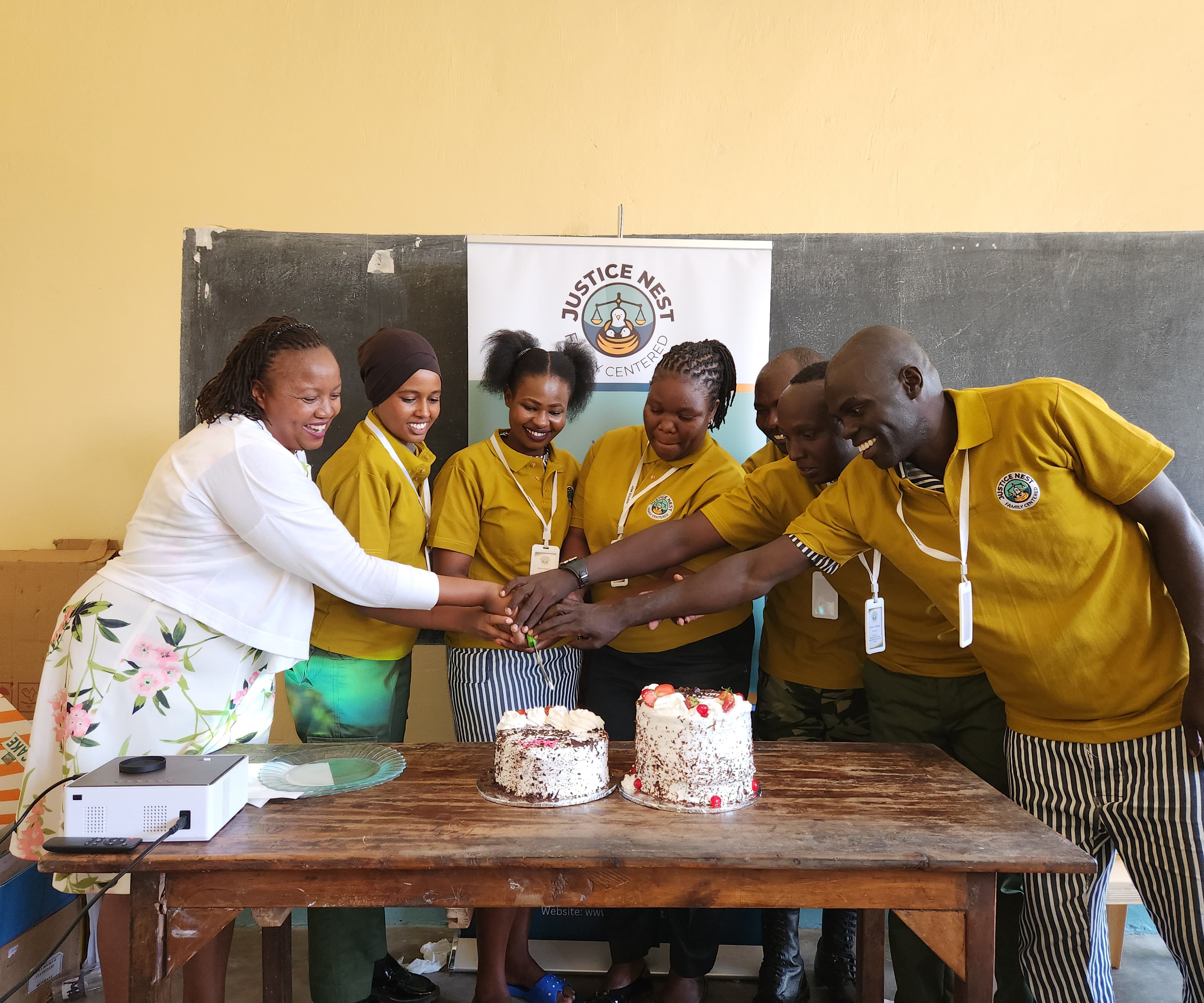
As Justice Nest continues to grow, the Social Department remains committed to expanding partnerships, strengthening referral networks, and developing sustainable support systems that respond to the changing needs of women and children affected by incarceration. Our vision is simple: that every woman leaving prison has an opportunity to rebuild her life with dignity, and that every child affected by incarceration has the chance to grow up safe, supported, and hopeful about the future.
Because at Justice Nest, we believe that restoring one life has the power to transform an entire family and, ultimately, a community.







Leave a comment