Blog
How Paralegalism Expands Access to Justice
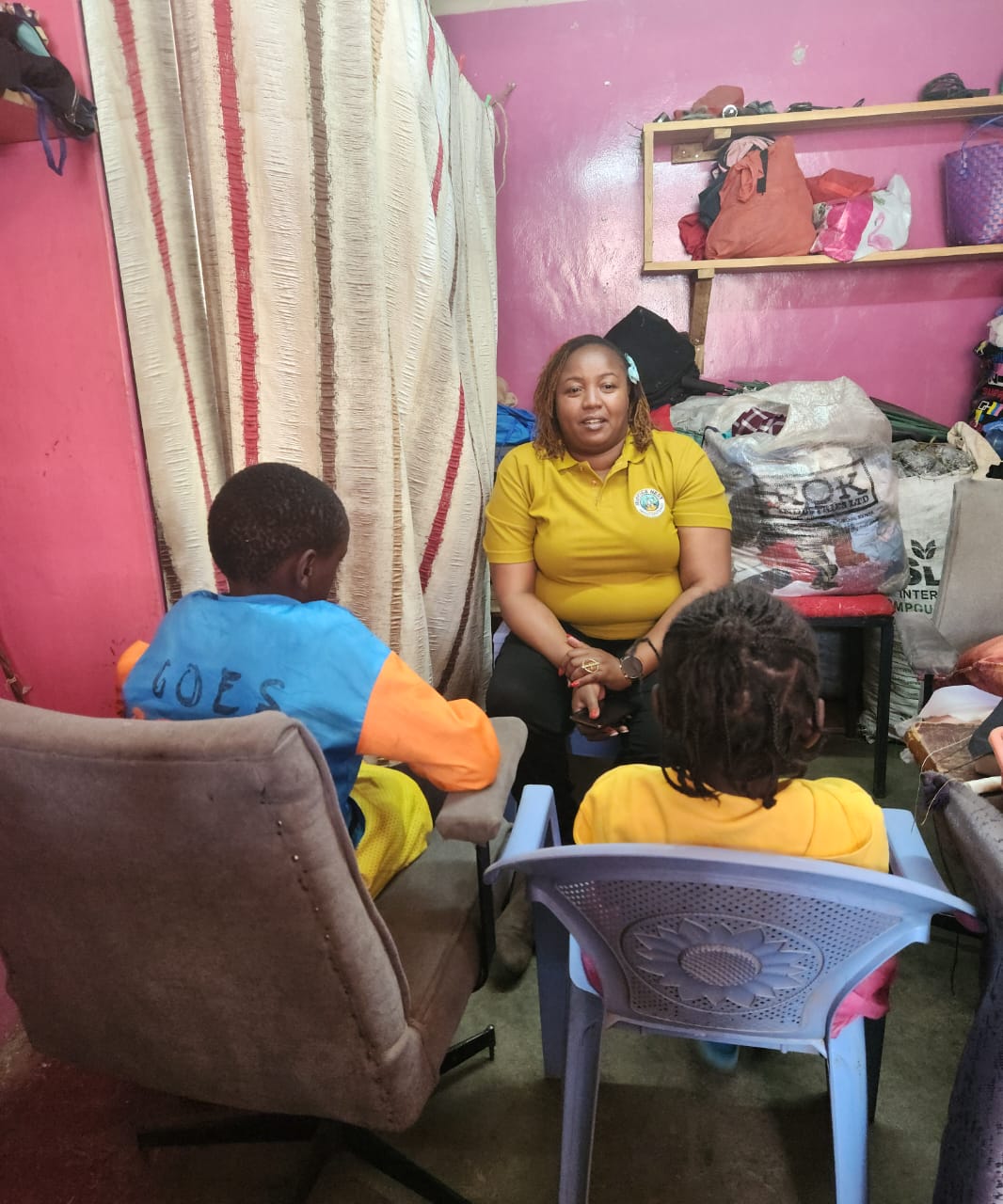
Our model to justice focuses on a holistic, client-centred approach that strengthens access to justice. We combine legal education, legal representation, social support, and advocacy to empower individuals, particularly women, children, and other vulnerable populations affected by the justice system. We provide legal literacy, paralegal training, and quality legal services while addressing the social and economic barriers that hinder access to justice. We work collaboratively with government institutions, communities, and strategic partners to promote restorative and family-centred justice.
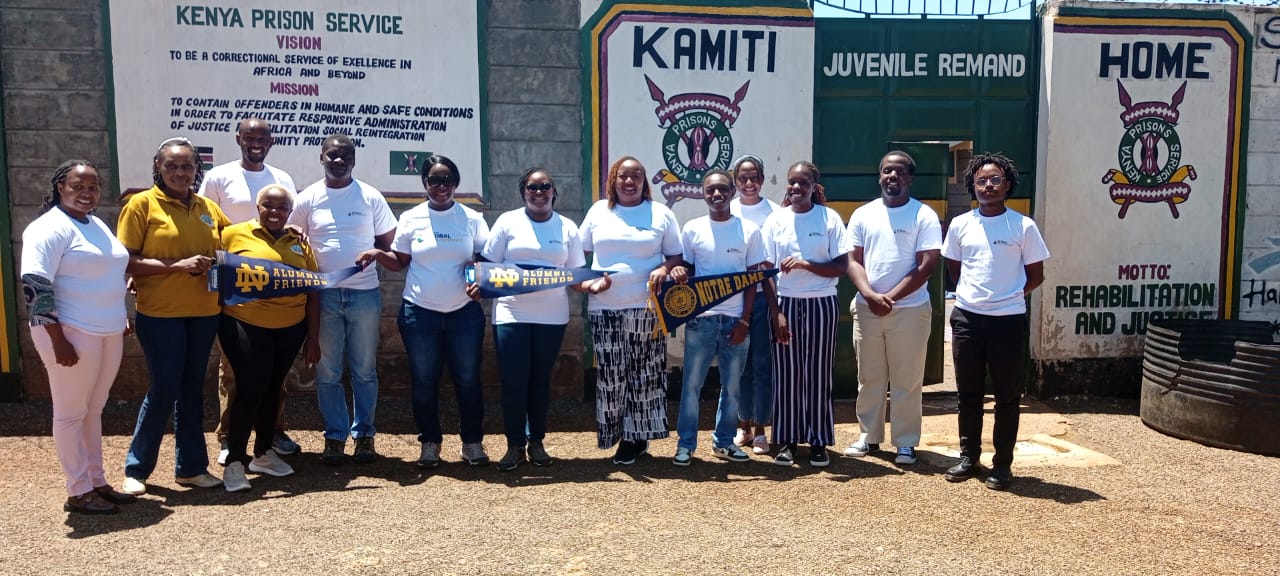
One of the ways we achieve this is through our Prison Paralegal Programme, where legal education empowers incarcerated persons to participate meaningfully in their own pursuit of justice.
Access to justice remains one of the greatest challenges facing justice systems across the world. In Kenya, despite the constitutional guarantee of access to justice under Article 48 of the Constitution, many people continue to encounter barriers that prevent them from effectively seeking and obtaining justice. Poverty, limited legal awareness, geographical distance from justice institutions, and the complexity of legal procedures often leave vulnerable populations excluded from the protection of the law. For women, children, persons with disabilities, prisoners, and marginalized communities, these barriers are often even more pronounced.
It is within this context that paralegalism has emerged as one of the most effective tools for expanding access to justice. Paralegals serve as a bridge between communities and the formal justice system. They help individuals understand their rights, navigate legal processes, access legal services, and find practical solutions to legal problems. More importantly, they empower people to participate meaningfully in their own pursuit of justice.
The true strength of paralegalism lies in legal empowerment. Access to justice is not simply about the availability of courts and lawyers. It is about ensuring that individuals understand their rights and have the confidence and capacity to exercise them. Paralegals demystify the law, translate legal concepts into practical knowledge, and equip ordinary citizens with the tools needed to engage with the justice system.
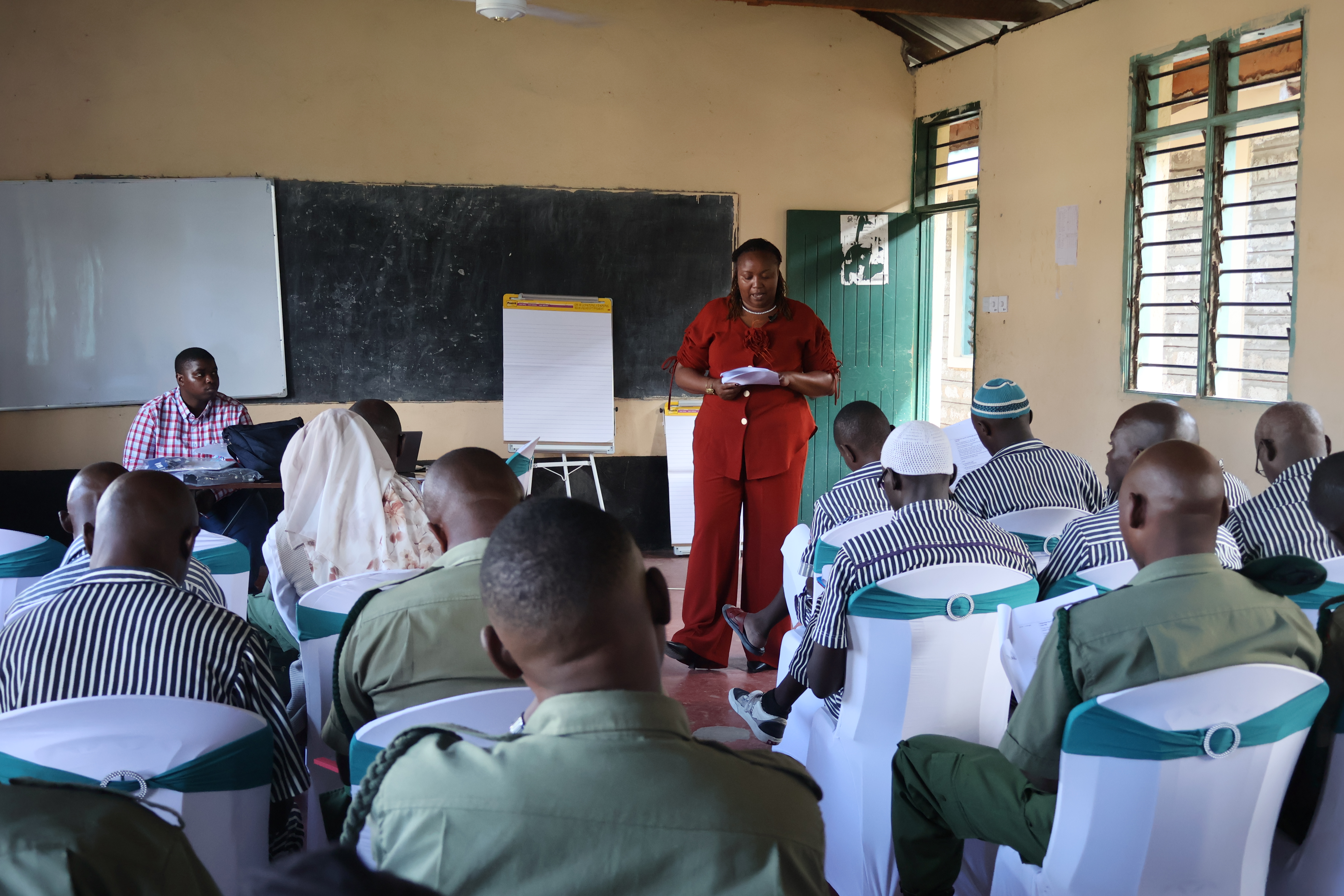
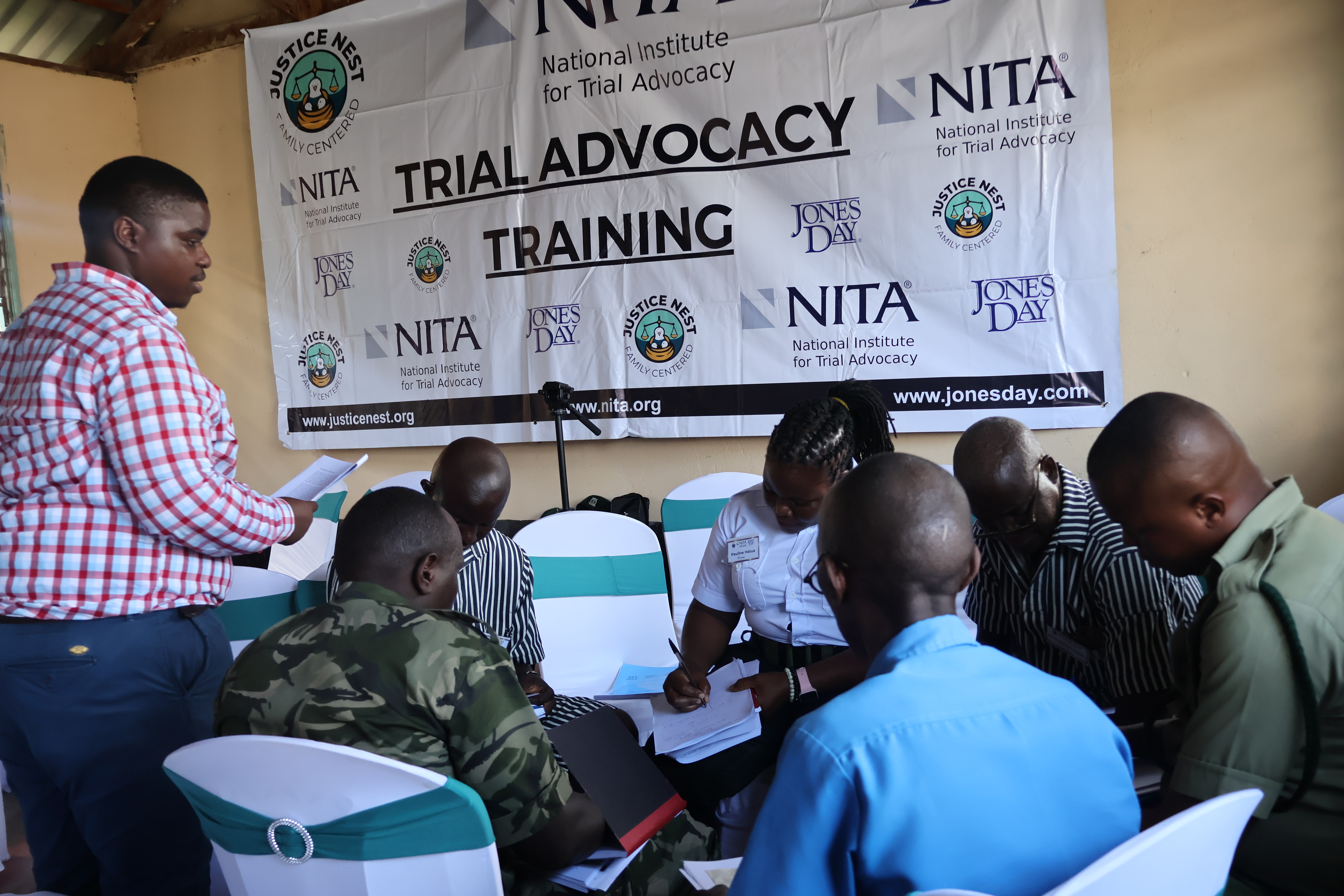
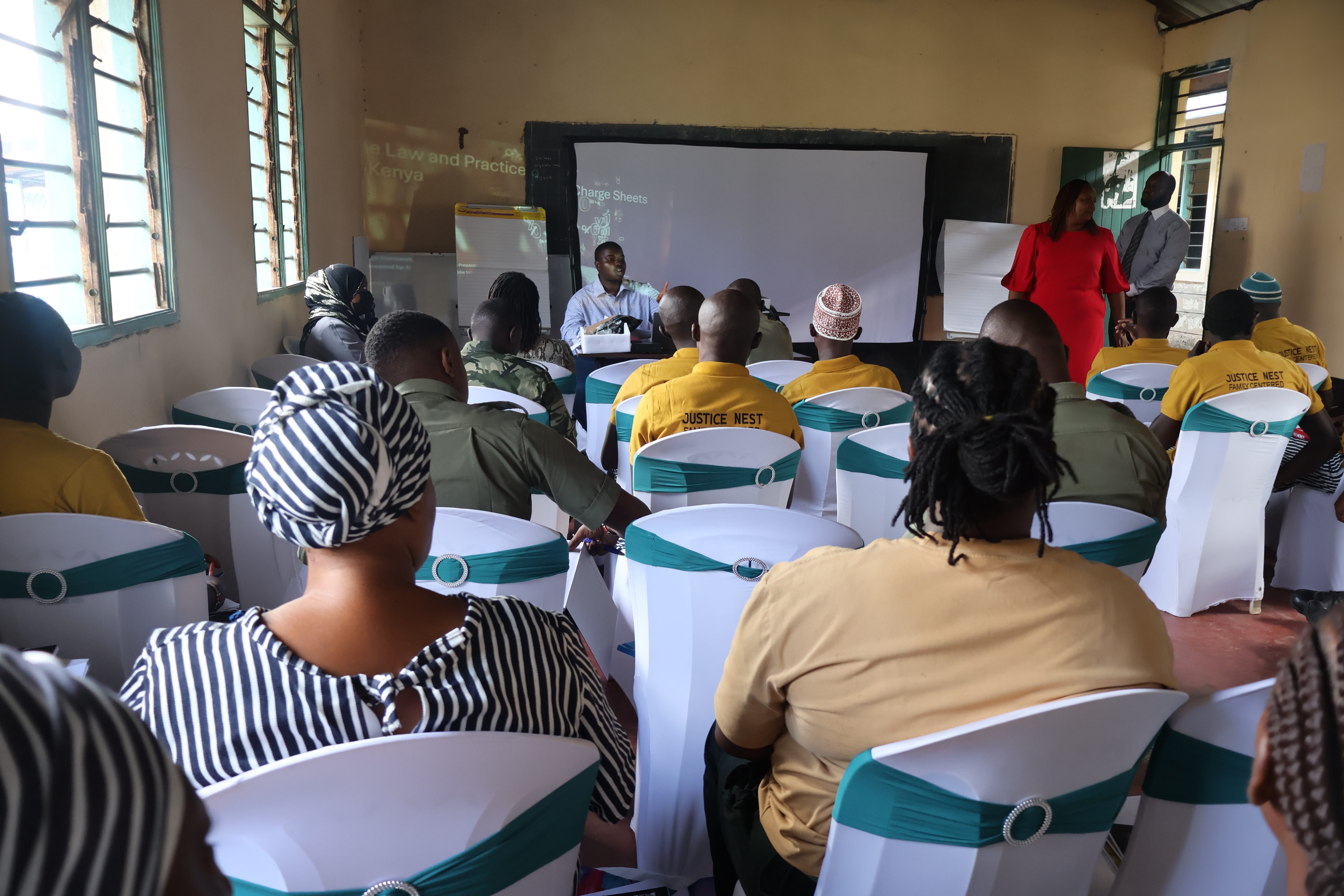
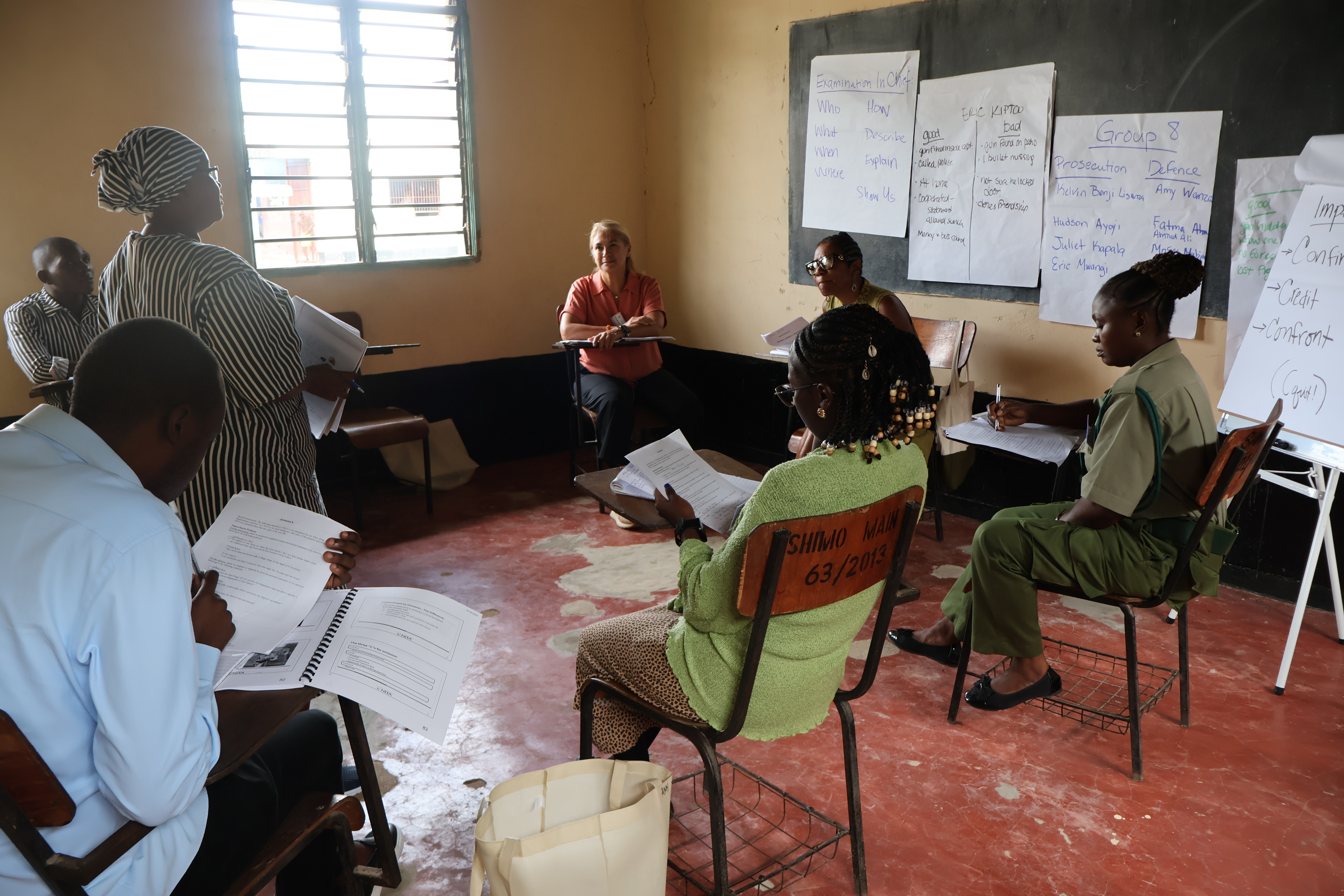
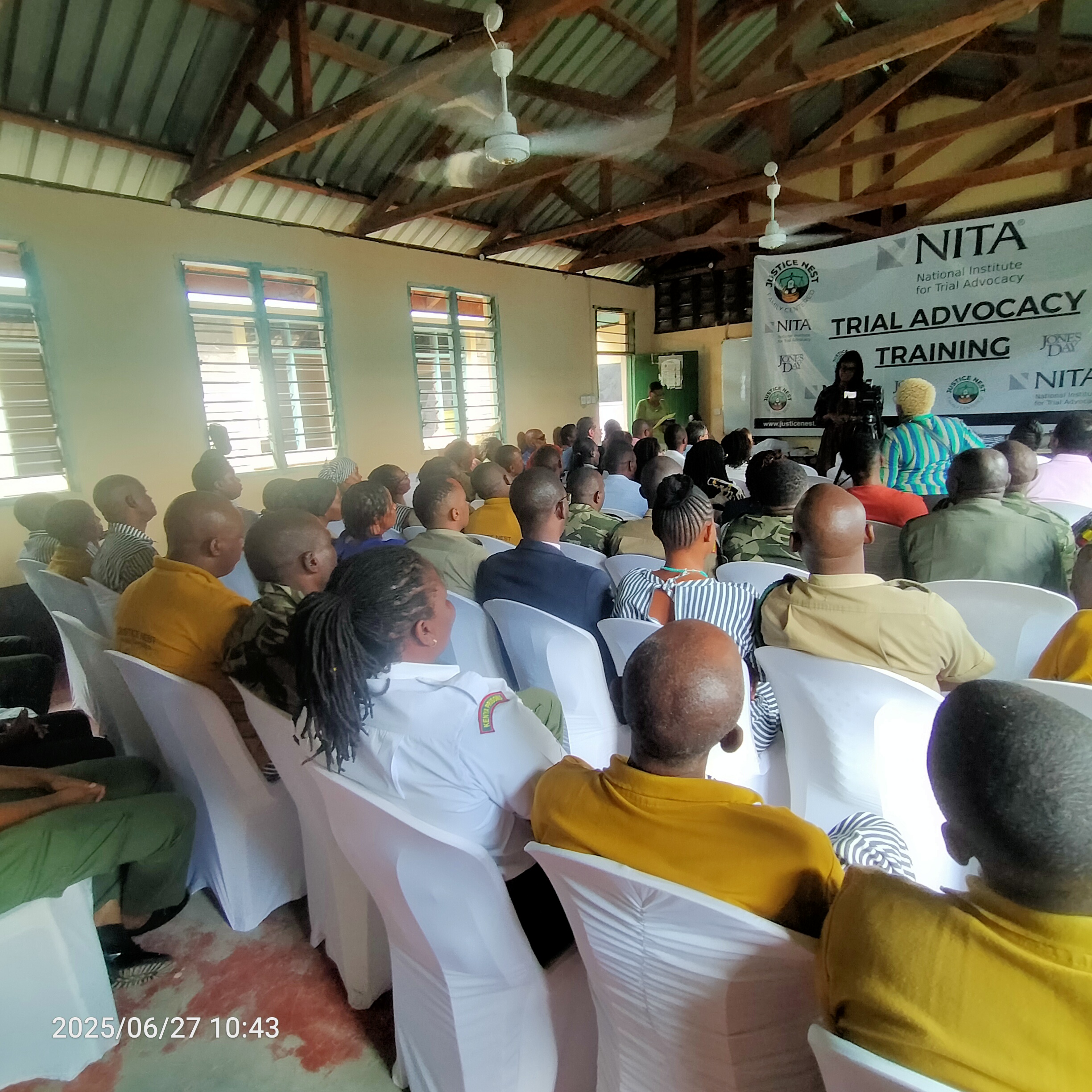
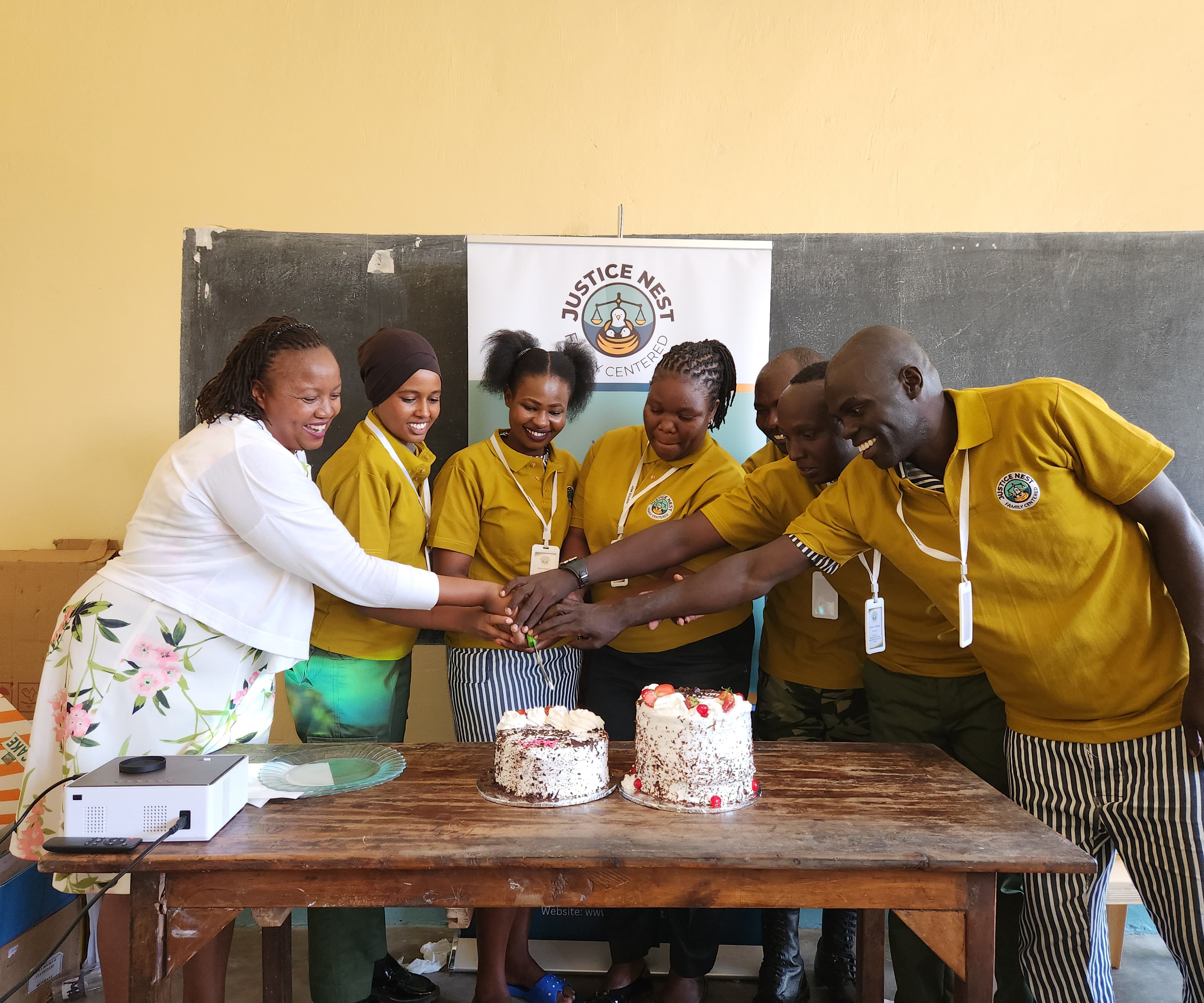
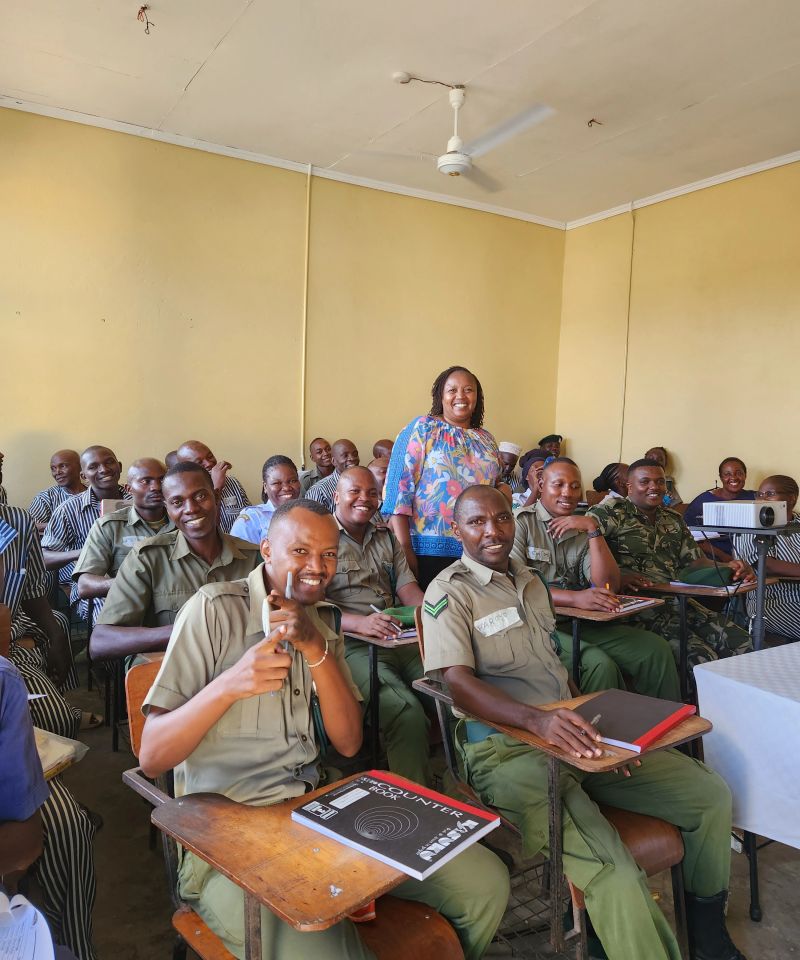
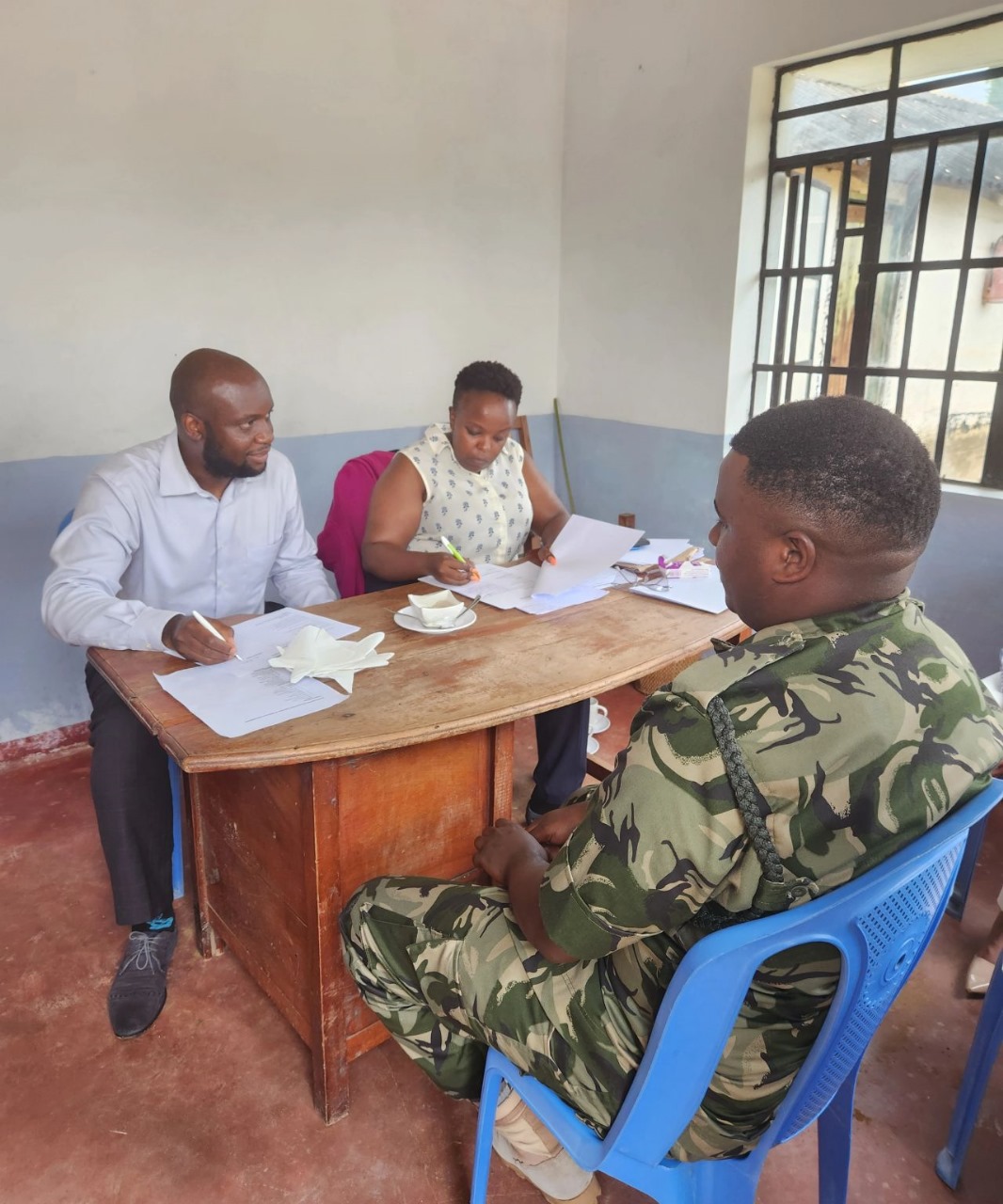
At Justice Nest, we have witnessed firsthand the transformative power of paralegalism through our Prison Paralegal Programme, Bridging the Justice Gap. The programme trains both incarcerated persons and prison officers as paralegals, equipping them with legal knowledge, advocacy skills, and an understanding of criminal procedure. These trained paralegals then provide peer-to-peer legal support within correctional facilities, helping fellow inmates understand their cases, prepare court documents, navigate bail applications, pursue appeals, and access legal aid.
The impact has been remarkable. So far, Justice Nest trained 44 inmates and prison officers as paralegals across the Shimo la Tewa Maximum, Medium, and Women's Prisons. Working under the supervision of qualified advocate (attorney), these prison paralegals have assisted 2,028 incarcerated persons to understand their legal rights and navigate the justice system more effectively. 623 clients have been released from prison. The programme has contributed to case resolution, facilitated releases, reduced unnecessary detention, and strengthened legal literacy within prison communities.
Beyond legal outcomes, prison paralegals restore dignity and hope. Many incarcerated persons enter the justice system without understanding the charges they face, the evidence against them, or the options available to them. A trained prison paralegal can often be the difference between silence and being heard. By helping fellow inmates prepare their cases and understand court procedures, paralegals ensure that the accused person meaningfully participates in their trial.
The experience of Justice Nest's prison-based paralegals demonstrates that when legal knowledge is placed in the hands of communities, even those behind prison walls can become agents of justice. Paralegals are not merely supporting the justice system; they are strengthening it from the ground up. They remind us that access to justice is not only about institutions and laws. It is about empowering people with the knowledge, confidence, and support they need to claim their rights and shape more equitable justice outcomes for themselves and their communities.
Author: Founder/Executive Director Miriam Wachira









Leave a comment